
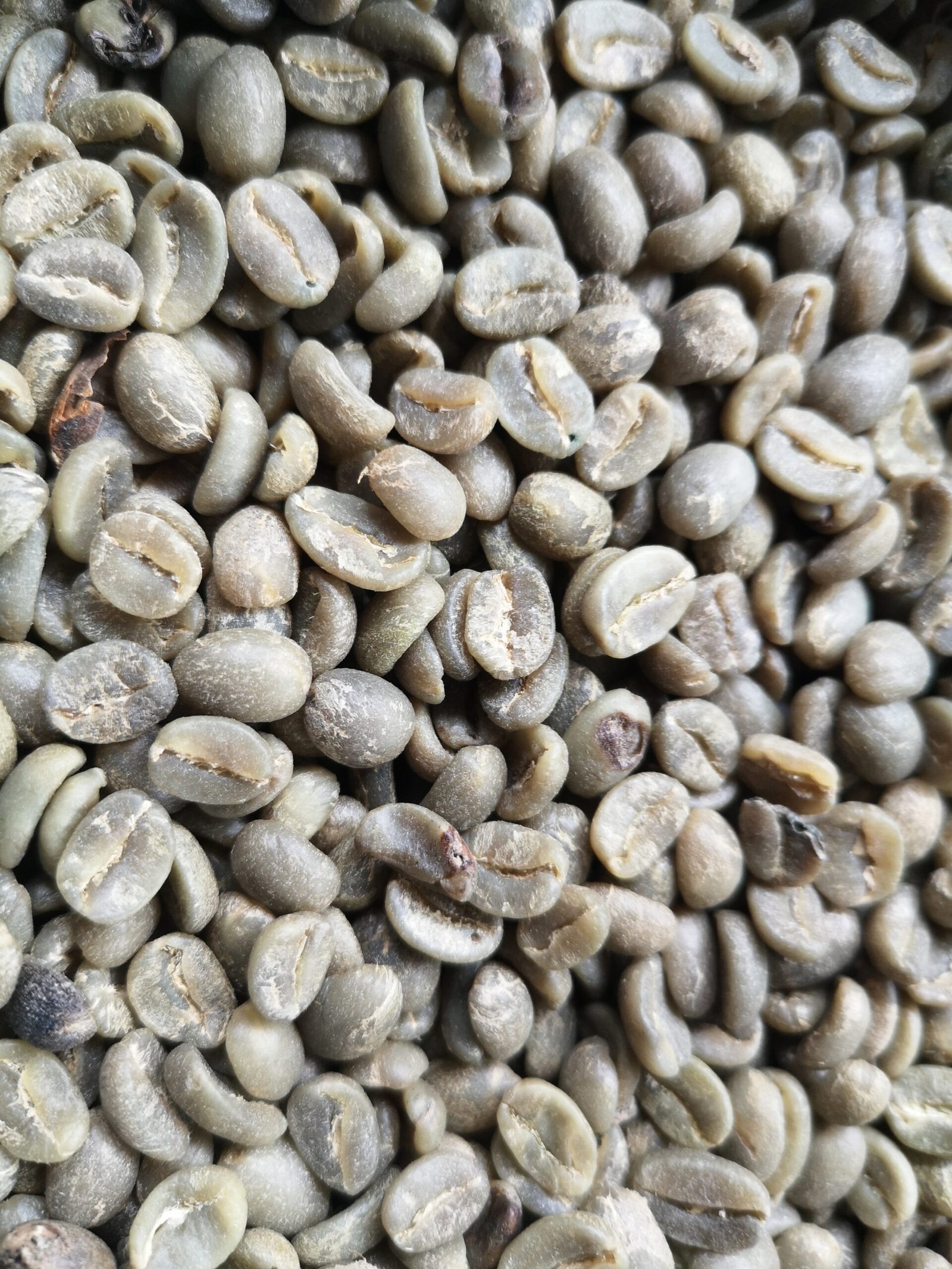
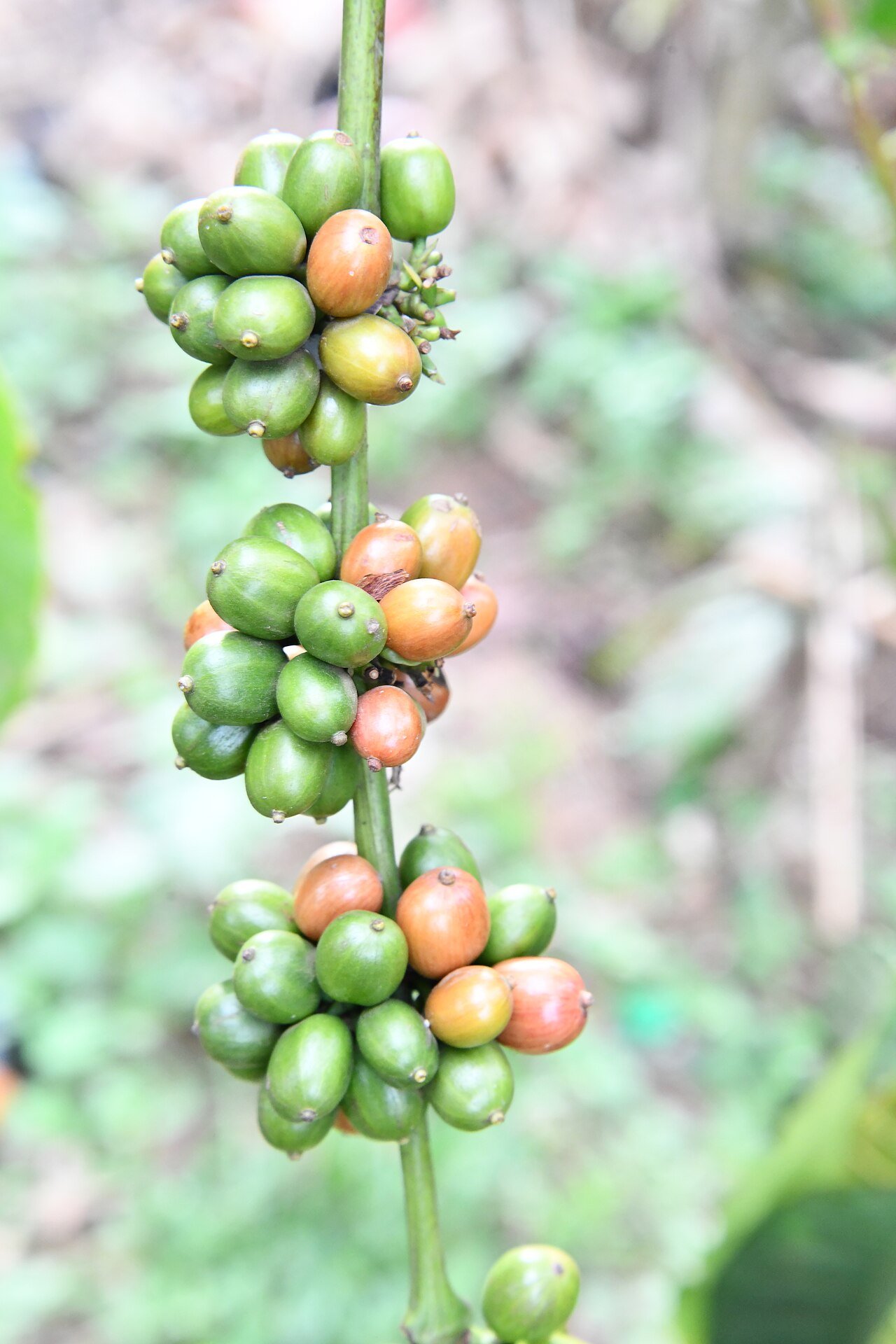
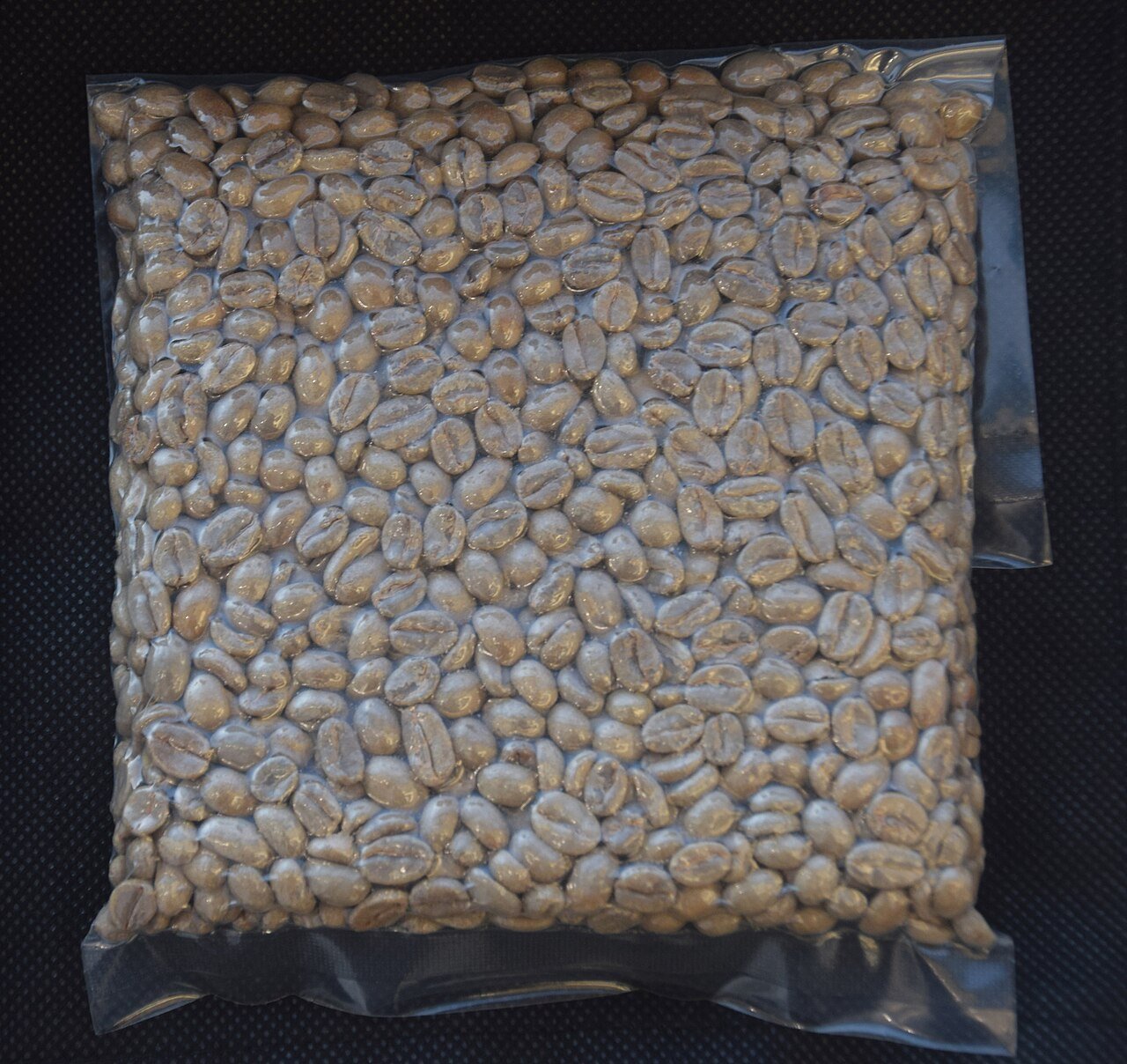
Unroasted coffee beans, also called green or raw coffee, are coffee seeds that have been picked, processed and dried but not yet roasted. They are hard, pale green to yellowish, and smell more like hay than coffee. You can’t brew them as they are; they have to be roasted first.
People buy unroasted coffee beans because they keep for months where roasted coffee fades in weeks, because they cost much less per kilo than roasted coffee, and because roasting your own gives you full control over flavour. We sell unroasted coffee beans in bulk, Arabica and Robusta from several origins, shipped worldwide to roasteries, cafés, coffee brands and retailers who repack green coffee for home roasters.
This guide explains what unroasted coffee beans are, how long they keep, how much weight they lose in roasting, what they cost, how to judge quality, how to roast them at home or commercially, how much to buy, and how to store them. Facts are linked to their sources. Calculations and practical tips are our own and labelled as such.
What are unroasted coffee beans?
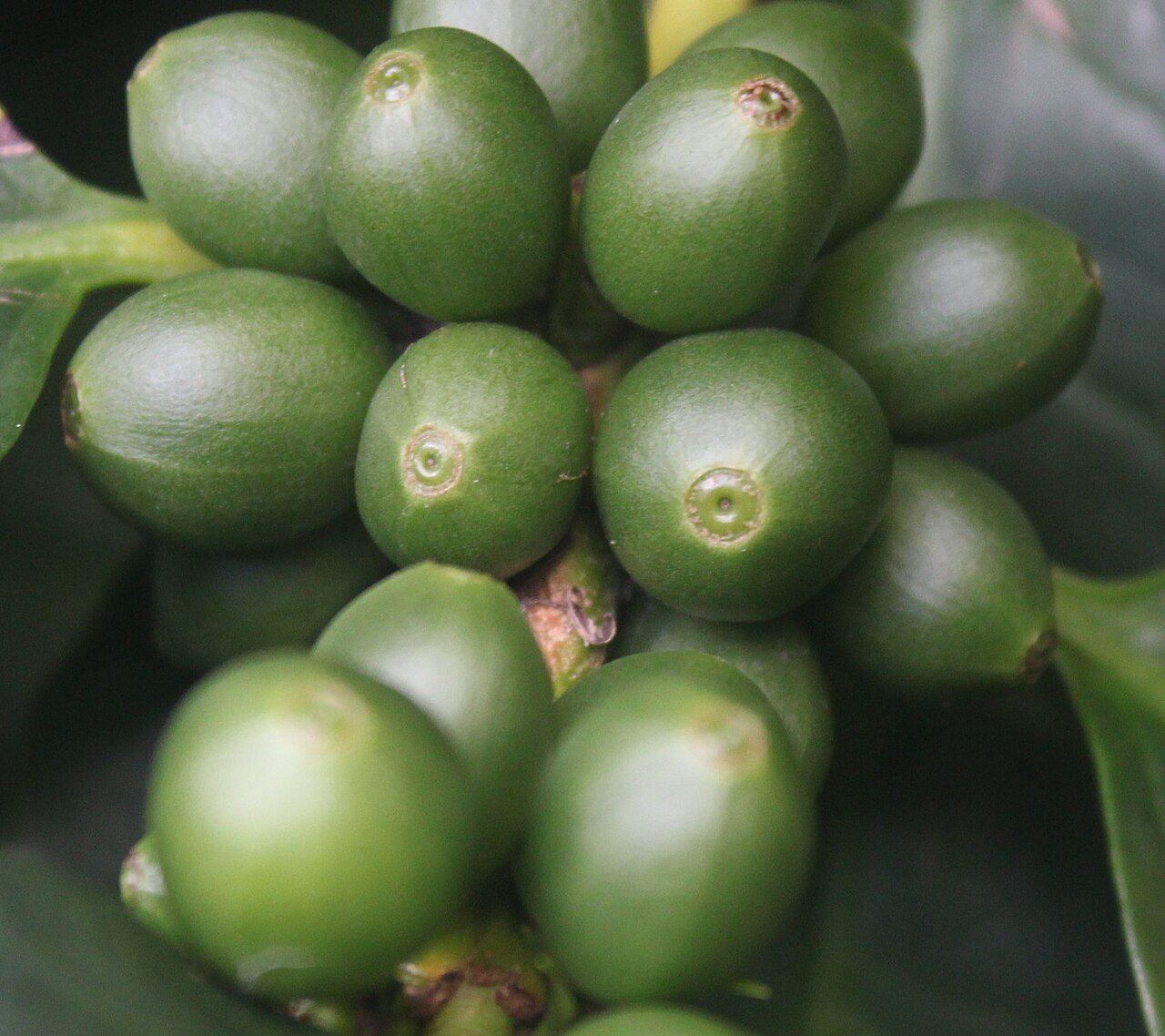
A coffee bean is the seed of the coffee cherry. As Wikipedia’s coffee bean article puts it, unroasted coffee beans, mature or immature, are referred to as green or raw. After harvest, the cherries are processed to remove the fruit, dried down to a stable moisture level and hulled, leaving the green bean. That is the form in which almost all coffee is traded around the world, because it keeps far better than roasted coffee.
Unroasted coffee beans don’t taste like coffee yet. The familiar flavours and aromas are created during roasting, when heat drives off moisture and sets off browning reactions inside the bean. Before that, the bean is dense, grassy and quite tough to bite.
Why buy unroasted coffee beans?
Freshness
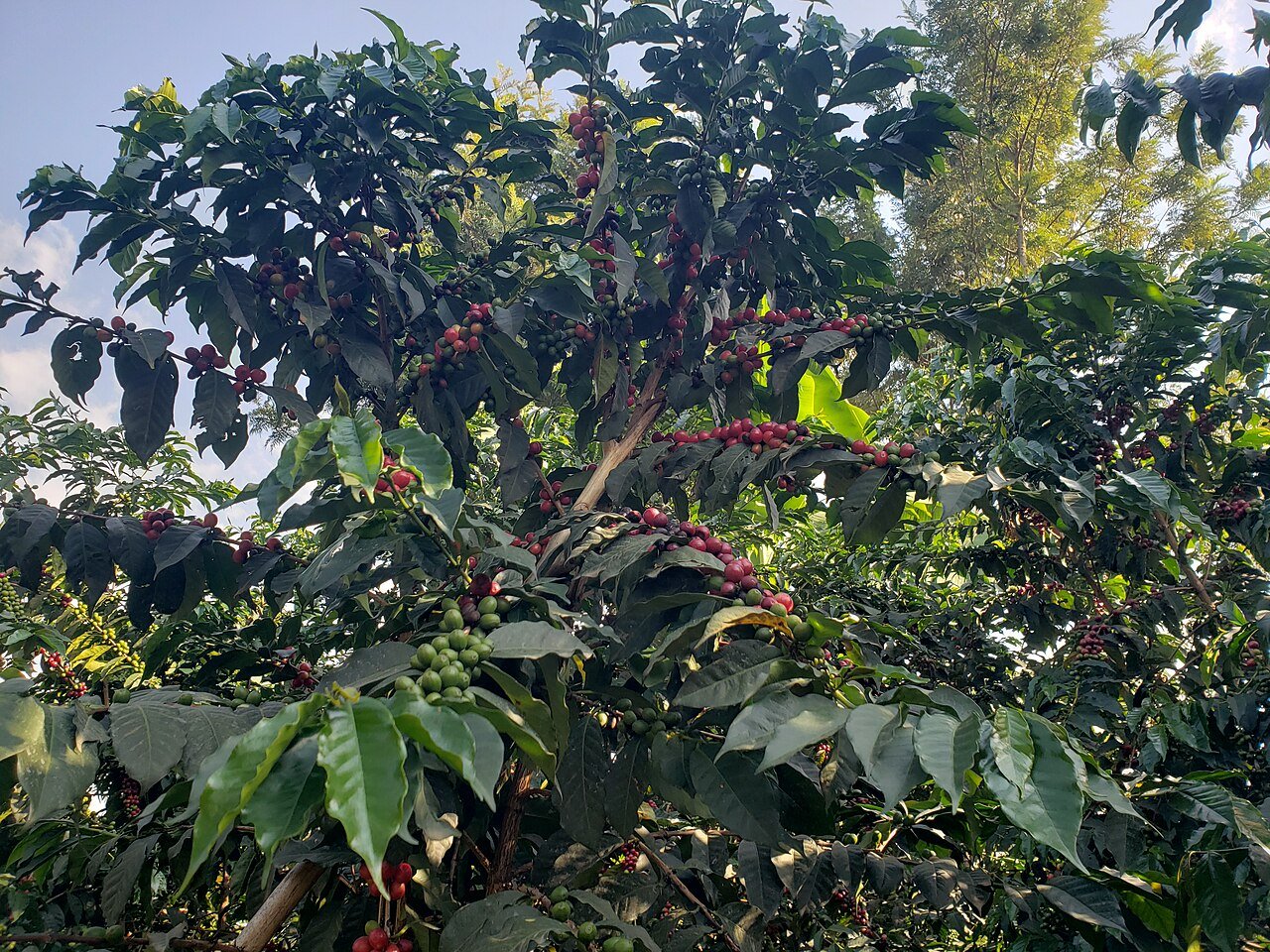
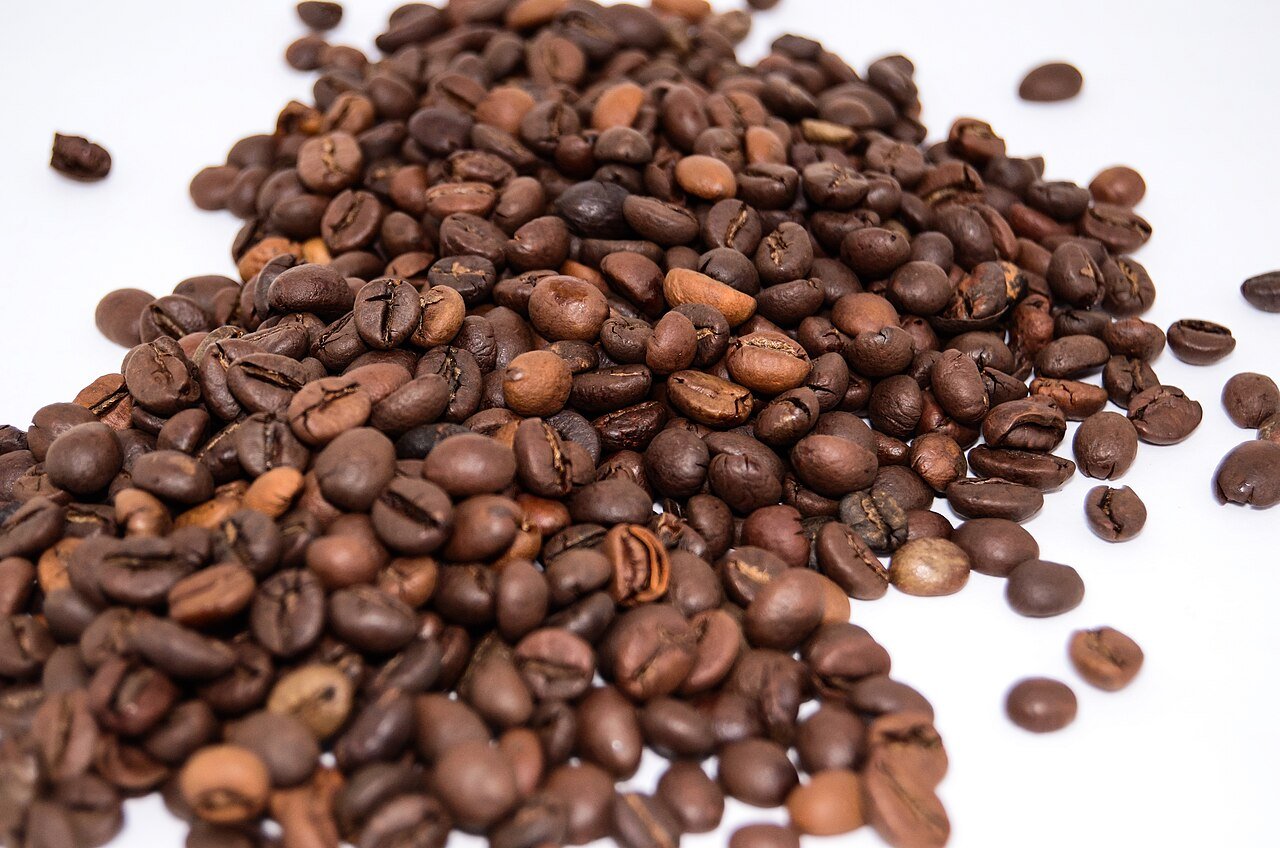
Roasted coffee goes stale fast. Wikipedia’s coffee roasting article gives the optimal typical shelf life of roasted coffee as about two weeks, and ground coffee as about 15 minutes. Unroasted coffee beans, stored well, keep for many months. Buying green and roasting in small batches means you can always brew coffee that was roasted days, not months, ago.
Cost
Green coffee costs much less per kilo than roasted coffee. Wikipedia’s home roasting article notes that people who roast for economic reasons can buy green beans in bulk at lower cost than roasted beans from retailers, and lists saving money among the main attractions of roasting your own, alongside fresh, flavourful coffee, experimenting with beans and methods, and perfecting the process.
Control
When you roast unroasted coffee beans yourself, you choose the roast level, the blend and the style. A light roast for filter, a darker roast for espresso, a blend of two origins: it is all up to you.
Choice
Green coffee is sold by origin, processing and grade, so you can choose exactly the coffee you want, from a bright East African Arabica to a heavy Indian Robusta, rather than picking from whatever is already roasted on a shelf.
How long do unroasted coffee beans keep?
Stored cool, dry and away from strong smells, unroasted coffee beans usually stay in good condition for many months, often up to about a year, with delicate washed Arabicas fading sooner and heavier Robustas holding up longer. That is an industry rule of thumb rather than a fixed limit; it depends on how well the coffee was dried and how it is stored.
Moisture is the key risk. The FAO’s report on post-harvest handling of coffee notes that mould growth on coffee beans is possible if moisture stays above the accepted standard for an extended time. That is why good unroasted coffee beans are dried to a stable level before export, and why storage matters. Our guide to storing green coffee beans covers this in detail.

How much weight unroasted coffee beans lose in roasting
Roasting drives water out of the bean, so the roasted coffee weighs less than the green coffee you started with, even though, as Wikipedia notes, the beans roughly double in volume. The USDA, when converting roasted coffee back to its green equivalent in trade statistics, multiplies the weight of roasted coffee by 1.19 (USDA). That implies roughly 1.19 kg of unroasted coffee beans for every 1 kg of roasted coffee, or a loss of about 16% (our calculation). In practice, lighter roasts lose a little less and darker roasts a little more.
This matters when you work out costs. If you pay a certain price per kilo for unroasted coffee beans, your coffee cost per roasted kilo is about 1.19 times that, before energy, packaging and labour.

What unroasted coffee beans cost
Green coffee is traded against world markets, so prices move every day. As a reference, the International Coffee Organization’s indicator prices for September 2026 were (ICO):
| ICO group, September 2026 average | US cents per lb | Roughly US$ per kg (our conversion) |
|---|---|---|
| Colombian Milds (washed Arabica) | 356.15 | about $7.85 |
| Other Milds (washed Arabica) | 329.44 | about $7.26 |
| Brazilian Naturals (natural Arabica) | 290.19 | about $6.40 |
| Robustas | 167.49 | about $3.69 |
These are reference prices for large volumes of exportable coffee, not retail prices, and they exclude freight, import costs and premiums for top grades. Small retail packs of unroasted coffee beans for home roasters cost more per kilo because of packing and handling. Our guide to green coffee prices explains how a quote is built.
What happens inside the bean during roasting
It helps to know what you are doing to green coffee when you roast it. In the first few minutes, heat drives water out of the bean and its colour moves from green to yellow, with a smell like hay or toasted bread. Then browning reactions take over: sugars and amino acids react together and build hundreds of flavour compounds, and the bean turns light brown and starts to swell.
As the bean dries and pressure builds inside, it cracks open with an audible pop. Wikipedia describes this “first crack” as the beginning of a very light roast. Carry on and the coffee darkens, oils move towards the surface, and roast flavours start to replace the character of the origin.
Every one of these stages depends on the coffee you start with. Dense, high-grown beans need more heat early on. Naturals, with more sugar on the surface, can scorch more easily. Even, well-sorted beans roast evenly; mixed sizes don’t. That is why choosing the right green coffee matters as much as the roasting itself.
Washed, natural and honey green coffee
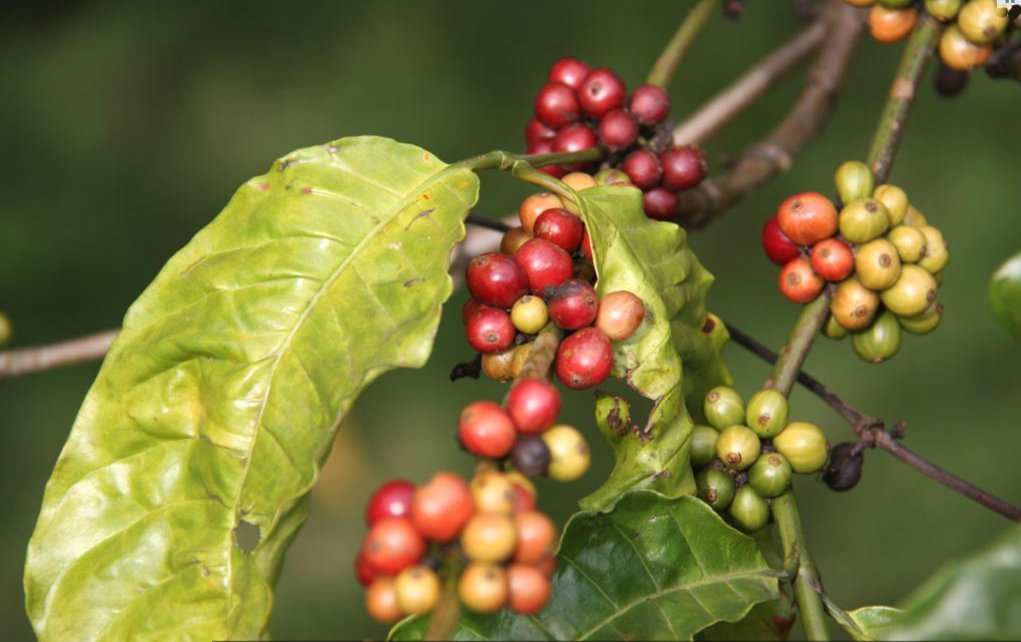
How a coffee was processed after picking changes both how it looks in green form and how it tastes. Washed coffees have the fruit removed before drying; they tend to look cleaner and bluish-green and taste bright and clear. Naturals dry inside the whole cherry; the beans can look more yellow or brownish and usually taste fruitier and heavier. Honey-processed coffees sit in between.
Most Robusta is natural, though washed Robusta, such as Indian Parchment, is cleaner. When you shortlist coffees, it is worth trying one of each style side by side. Our guide to coffee processing methods explains the details.
How to read a green coffee spec sheet
A typical spec line might read: “Uganda Robusta, natural, Screen 18, moisture 12% max, defects under 5%, crop 2026/27, 60 kg jute bags.” Here is what each part tells you:
- Origin and species: where it grew and whether it is Arabica or Robusta.
- Processing: natural, washed or honey.
- Screen size: bean size. Screen 18 means large beans.
- Moisture: how dry the coffee is; around 10% to 12.5% is a common target.
- Defects: how clean the lot is.
- Crop year: how fresh it is.
- Packing: bag size and type.
If a seller can’t give you these basics, ask why. Our coffee bean grading guide covers grades and defects in depth.
Matching beans to roast styles
Different coffees suit different roasts. Bright, washed East African Arabicas often shine at light to medium roasts for filter. Chocolatey Arabicas and smooth Robustas such as Brazilian Conilon suit medium to medium-dark roasts for espresso. Heavy, earthy Robustas from Indonesia or Vietnam suit dark roasts and strong coffee. If you know the roast style you want first, it becomes much easier to choose the right coffee, and to avoid paying for qualities a dark roast would hide.
Choosing your first green coffee
If you are new to buying green coffee, start simple. Pick one forgiving coffee and learn it well before adding more. A washed Arabica with even bean size is a good first choice for light and medium roasts; a clean Brazilian Robusta is forgiving for darker roasts and espresso blends.
Buy enough for several roasts, so you can change one thing at a time and see what it does. Once you can repeat a roast you like, add a second coffee with a different character, such as a natural Arabica or an Indian Robusta, and compare. Building up slowly like this teaches you far more than buying many coffees at once, and keeps your first purchase of unroasted coffee beans affordable.
Arabica or Robusta?
Unroasted coffee beans come in two main species. Arabica is sweeter and more aromatic, with more acidity, and costs more. Robusta is stronger, more bitter and higher in caffeine, and costs less, as the ICO prices above show. You can often tell them apart even in green form: Arabica beans tend to be larger and more oval, Robusta smaller and rounder. Our guide to Arabica vs Robusta explains the differences, and our guide to the best Robusta coffee beans compares Robusta origins.

Our unroasted coffee beans
Here is our current range. Specs are the typical ranges for each coffee; we confirm the exact figures, processing and crop year for each lot with every quote.
| Our unroasted coffee beans | Key specs (confirmed per lot) | Cup and use |
|---|---|---|
| African Arabica | Arabica, washed or natural, screen 15 to 18, moisture max 12.5% | Bright, fruity; filter and blend lift |
| Africa Arabica | Single-origin lots by country, washed, natural or honey | Floral to chocolatey; single origins |
| Brazilian Robusta | Conilon, natural (washed on request), screen 16/18 or 18/20 | Smooth, nutty; espresso blends |
| Indian Robusta | Cherry (natural) or Parchment (washed), screen 17/18 or 18/20 | Clean bitterness, thick crema |
| Ugandan Robusta | Screen 15 to 18, natural (washed on request), moisture max 12% | Cocoa, long finish |
| Vietnam Robusta | Screen 16/18, natural, moisture max 12.5%, low black and broken limits | Bold; espresso and strong coffee |
| Indonesia Robusta | Natural (washed on request), screen 16/18 or 18/20 | Heavy, cedar, dark chocolate |
| African Robusta | Natural or washed, screen 16/18 or 18/20, defects under 5% | Strong, earthy; dark roasts |
Every lot is graded and checked before it ships, and we can send samples so you can roast and taste before you buy in volume.
How to roast unroasted coffee beans
At home
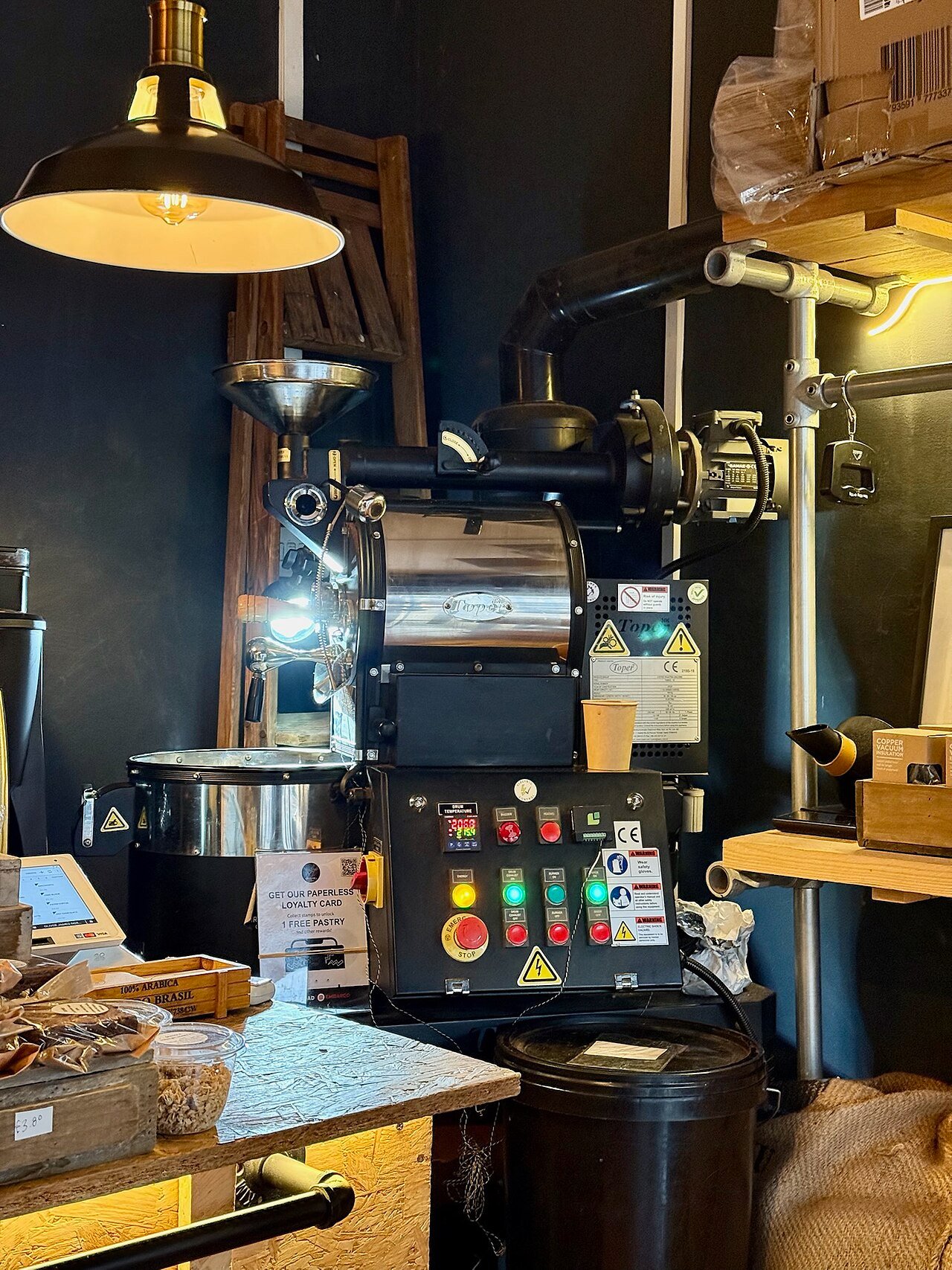
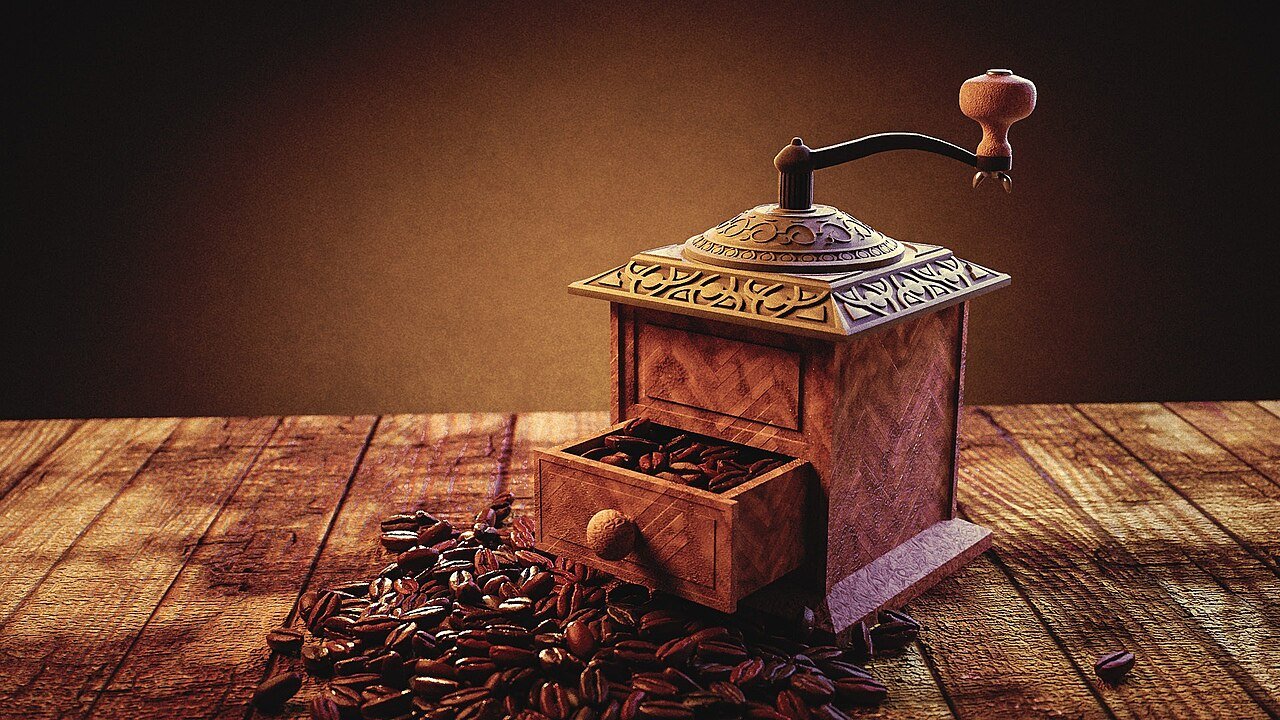
Wikipedia’s home roasting article lists four common home methods: in the oven, on top of the stove, in a hot-air popcorn popper, and in a purpose-built electric roaster. It also notes that interest in home roasting has been helped by suppliers selling green coffee in small quantities and by manufacturers making countertop roasters. A hot-air popper or a heavy pan is a cheap way to start; a small home roaster gives more control and consistency.
Commercially
Cafés and roasteries usually use drum roasters, from a kilo or two per batch up to large production machines. During roasting, the beans dry, brown and then reach “first crack”, which Wikipedia describes as the point marking the beginning of a very light roast, when much of the moisture has evaporated and the beans start to grow in size. How far you go after first crack decides how light or dark the coffee will be.
Our full guide to roasting green coffee beans walks through equipment, a step-by-step roast, roast levels and common faults.
How many unroasted coffee beans should you buy?
Buy enough to roast while the coffee is fresh, but not so much that it sits for a year. A rough guide to how different buyers usually purchase, based on how the trade is commonly structured rather than any formal standard:
| Who you are | Typical way to buy unroasted coffee beans |
|---|---|
| Home roaster | A few kilos from a retailer who repacks green coffee |
| Café roasting in-house | Single 60 kg bags or a few bags at a time |
| Small roastery | Several bags per origin, or a shared container |
| Large roaster or instant coffee maker | Full containers on forward contracts |
| Retailer selling green coffee to home roasters | Bags or containers, repacked into small retail packs |
A simple way to plan: work out how much roasted coffee you sell each month, multiply by about 1.19 to get the unroasted coffee beans you need (using the USDA conversion above), and buy two to four months at a time. Our guide to wholesale green coffee beans covers order sizes in more detail.
How to judge the quality of unroasted coffee beans
You can learn a lot about unroasted coffee beans before roasting them:
- Look. Even colour and size are good signs. Lots of broken, black or insect-damaged beans are not.
- Smell. Clean, hay-like or grassy is good. Musty, sour or chemical smells are warning signs.
- Moisture. Around 10% to 12.5% is a common target for stable green coffee; ask for the figure.
- Grade and screen size. These tell you about bean size and defects. Our coffee bean grading guide explains them.
- Crop year. Fresh crop usually tastes brighter.
- Taste. Roast a sample and cup it. Our guide to coffee cupping shows how.
Processing also changes how unroasted coffee beans look and taste; our guide to coffee processing methods explains washed, natural and honey coffee.

Planning a year of supply
Each coffee origin is harvested at a different time of year, so the freshest lots from each country arrive at different points in the calendar. If you roast regularly, it pays to plan. Work out roughly how much of each coffee you will need over the year, agree it with your supplier, and take delivery in several shipments rather than all at once.
That keeps your stock fresh, spreads cost, and protects you if a shipment is delayed. When a new crop arrives, cup it against your current lot before switching, and adjust your roast if it behaves differently. Our guide to the coffee harvest season has a country-by-country calendar.
Sampling before you buy
A simple sampling routine saves money. Ask for samples of two or three coffees, roast them on the same day with the same simple profile, rest them for a few days, then taste them side by side, ideally without knowing which is which. Brew your favourite the way your customers drink coffee: filter, espresso or with milk.
Only then compare prices and availability. It takes an afternoon, and it stops you buying a large lot of coffee you don’t actually like. Our guide to coffee cupping explains a more formal tasting method if you want one.
Packing and shipping
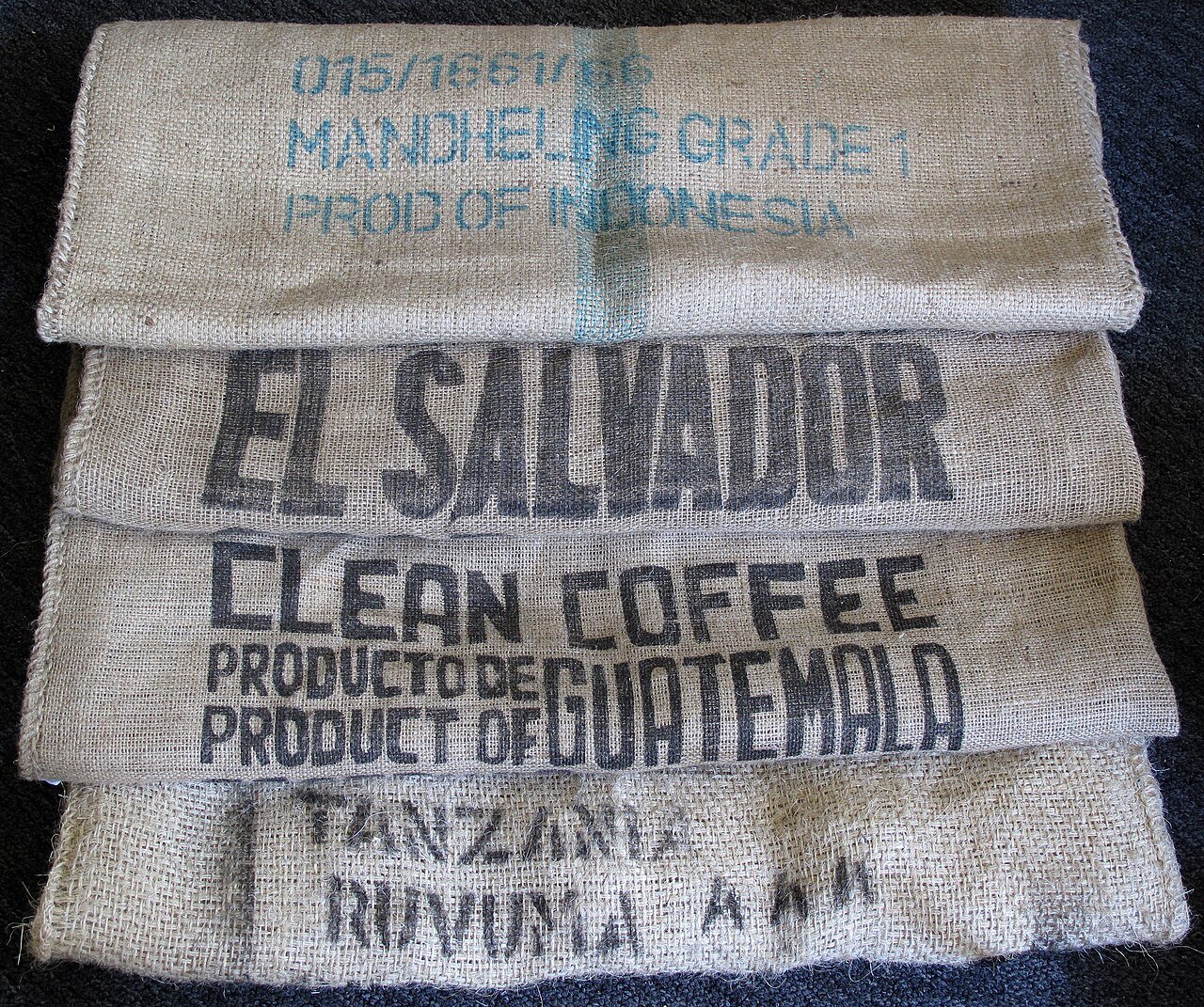
Green coffee usually travels in jute or sisal bags, commonly around 60 kg each, loaded into shipping containers. Higher-value coffee often goes inside a hermetic plastic liner within the jute bag, which slows moisture and oxygen exchange and helps the coffee hold its quality on long voyages and in humid climates. Some very large buyers receive Robusta loose in lined containers.
Transit times depend on the route and can range from a few weeks to a couple of months, so build that into your planning. When the coffee arrives, check the bags straight away for damp patches or damage and take photos of anything unusual.
Traceability: knowing where the coffee comes from
More and more buyers want to know exactly where their coffee was grown, and in some markets it is becoming a legal requirement. For coffee sold in the EU, the European Forest Institute explains that the EU Deforestation Regulation requires geolocation information for the plots of land where the coffee was produced (European Forest Institute). Even if you don’t sell in Europe, traceable coffee is easier to describe honestly to customers and usually comes from suppliers who control quality closely.
Ask what origin information comes with each lot. Our guide to single origin coffee beans covers traceability in more depth.
Building a coffee range from a few origins
You don’t need a long list of coffees to run a good roastery or café. Many businesses do very well with three or four.
A typical small range might be: one sweet, balanced Arabica for filter and single-origin espresso, such as a washed Ugandan or Tanzanian lot from our Africa Arabica range; one brighter or fruitier Arabica for people who want something distinctive, such as our African Arabica; one clean Robusta for espresso blends, such as Brazilian or Indian Robusta; and, if you sell strong or budget coffee, a bold Robusta such as Vietnam Robusta. With those, you can make filter coffee, a house espresso, a strong blend and a rotating single origin.
For deeper guides to individual coffees, see our pages on Arabica coffee beans, Ethiopian green coffee beans, Ugandan coffee beans and Vietnamese coffee beans.
Signs your green coffee is ageing
Even well-stored green coffee changes over time. Watch for beans that look paler or more yellow than when they arrived, a smell that has gone from fresh hay to dull, papery or musty, roasts that run faster or less evenly than before, and a cup that tastes flat, woody or like cardboard. If you notice these, use that coffee first, perhaps in darker roasts or blends where small losses matter less, and look at how and where you are storing it.
Questions to ask before buying
- What exactly is the lot: origin, species, processing, grade, screen size, moisture and crop year?
- Can I have a sample from the actual lot?
- What does the price include, and which Incoterm applies?
- How will it be packed and shipped, and how long will it take?
- What documents and traceability information come with it?
- Will similar coffee be available again next year?
Clear answers to these questions make it much easier to buy unroasted coffee beans with confidence.
A simple first roast
If you have never roasted coffee before, here is a basic method using a hot-air popcorn popper, one of the common home methods. Do it in a well-ventilated place, because roasting makes smoke, and never leave it unattended.
- Put in a small amount of green coffee, enough that the beans move freely without flying out.
- Switch on and watch. Over the first few minutes the beans turn from green to yellow and smell like hay.
- They will brown, and you will hear the first crack, a popping sound a bit like popcorn.
- Stop when the colour looks right to you: shortly after first crack for a light roast, a minute or two later for medium.
- Tip the beans into a metal colander and cool them quickly, shaking them to blow away the papery chaff.
- Let the coffee rest for a day or two before brewing.
Write down what you did each time. After a few roasts you will start to see how small changes affect the taste.
Roast levels from the same green coffee
One of the best things about buying green coffee is that a single coffee can give you several different drinks. Roasted light, a washed Arabica might taste bright and fruity, perfect for filter. Roasted to medium, the same coffee becomes sweeter and more rounded, good for espresso. Taken darker, it turns heavier and more bittersweet, with roast flavours taking over from the fruit. Trying one coffee at three roast levels is a great way to learn what you like, and to find the sweet spot for each product you sell.
Why roasteries buy green, not roasted
Almost every coffee roastery in the world buys its coffee green. The reasons are simple: green coffee keeps far longer than roasted coffee, it costs much less per kilo, it can be shipped around the world in containers, and it lets the roaster decide exactly how each coffee should taste.
Roasting close to where the coffee will be drunk means customers get fresher coffee. Whether you roast a few kilos a week or several tonnes, buying unroasted coffee beans puts the most important decisions about your coffee in your own hands.
Storing unroasted coffee beans
Good storage keeps unroasted coffee beans fresh until you roast them. The basics:
- Keep them cool and dry, ideally around 60% relative humidity.
- Keep bags off the floor on pallets and away from outside walls.
- Keep them away from strong smells: spices, fuel, cleaning products.
- Use the oldest coffee first and label every bag with its arrival date.
- For coffee you will hold for many months, ask for hermetic liners.
Moisture is the main enemy, because damp coffee can go mouldy, as the FAO warns. For small home amounts, a breathable bag or a food-grade container with a loose lid in a cool cupboard works well. Our guide to storing green coffee beans has much more.
Buying unroasted coffee beans in bulk
If you buy in bags or containers, a few things matter beyond the coffee itself:
- Specs and samples. Get full specs for the lot and cup a sample before ordering.
- Delivery terms. Check the Incoterm (FOB, CFR or CIF) so you know what the price includes. Our guide to importing coffee beans explains them.
- Documents. Expect a commercial invoice, packing list, bill of lading, certificate of origin and phytosanitary certificate with each shipment.
- Traceability. If you sell in the EU, the European Commission says that from 30 December 2026, products placed on, sold within or exported from the EU must be deforestation-free under the EU Deforestation Regulation, and coffee is covered (European Commission). Ask your supplier what traceability information comes with each lot.
- The supplier. Our guide to choosing a green coffee supplier lists nine checks to make first.
A note on green coffee and health claims
You may see unroasted coffee beans mentioned in health and diet products. Wikipedia notes that since the mid-2000s green coffee extract has been sold as a nutritional supplement and studied for its chlorogenic acid content. That is a separate market. We sell unroasted coffee beans as a food commodity for roasting into coffee, and we make no health claims about them. If you are interested in supplements, speak to a qualified health professional.
Roasting unroasted coffee beans for resale
If you plan to roast and sell coffee, a few extra points apply. Roast consistently, keep records of every batch, rest coffee before packing, and label honestly with origin, roast date and any certifications you actually hold.
Food business registration and labelling rules apply in many places once you sell coffee, so check what applies where you are. Choosing coffees from origins with steady supply helps you keep your products consistent; our guides to coffee beans for espresso, coffee beans for cold brew, coffee beans for instant coffee and single origin coffee beans can help you match coffees to products.
Unroasted coffee beans for home roasters
Home roasting is a growing hobby. Wikipedia notes that it has been practised for centuries, from cast-iron skillets over a wood fire to small hand-turned drums, and that people do it today for fresh coffee, experimentation, the satisfaction of perfecting a roast and saving money.
If you are a home roaster, you will usually buy unroasted coffee beans in small packs from a retailer. If you run a shop selling green coffee to home roasters, buying in bags or containers from a bulk supplier and repacking can give you a much better margin.
What a cup really costs when you roast your own
Here is an illustrative calculation with made-up numbers to show the method. Suppose you pay US$7 per kilo for unroasted coffee beans. Using the USDA conversion of about 1.19 kg green per kg roasted (USDA), your coffee costs about US$8.33 per roasted kilo.
At around 15 g of coffee per cup of filter coffee, a roasted kilo makes roughly 66 cups, or about 13 US cents of coffee per cup before energy, packaging and labour. Compare that with what you pay for roasted coffee, and you can see why many cafés and roasters choose to buy unroasted coffee beans.
Green coffee vs roasted coffee at a glance
| Green (unroasted) | Roasted | |
|---|---|---|
| Shelf life | Many months if stored well | Best within about two weeks, according to Wikipedia |
| Cost per kilo | Lower | Higher, as it includes roasting, packing and margin |
| Flavour control | Full: you choose the roast | Fixed by the roaster |
| Weight | About 1.19 kg needed per kg roasted | Lighter after losing moisture |
| Equipment needed | A roaster, from a popcorn popper up | Just a grinder and brewer |
| Best for | Roasteries, cafés, home roasters, retailers | People who don’t want to roast |
Is roasting your own worth it?
For a business that sells a lot of coffee, roasting in-house almost always pays: lower coffee cost per cup, fresher coffee and a product that is truly your own. For a home coffee lover, it depends on how much you enjoy the process. Roasting takes time, makes smoke and has a learning curve, but many people find it rewarding and save money over time. Either way, it starts with choosing good green coffee.
Common mistakes with unroasted coffee beans
- Buying too much at once. Green coffee keeps for months, not forever.
- Storing them in a damp or smelly place. Moisture and odours ruin good coffee.
- Skipping samples. Always roast and taste before buying in volume.
- Ignoring the crop year. Old coffee tastes flat even with perfect roasting.
- Forgetting roasting loss. Budget for about 16% weight loss.
- Comparing prices on different bases. Check what each price includes.
- Making claims you can’t back up when reselling.
Order unroasted coffee beans from us
We supply unroasted coffee beans in bulk, Arabica and Robusta, graded and checked before shipping, worldwide. Tell us which coffees interest you, how much you need and where you are through our contact page, and we will send a quote, full specs and samples. You can browse our Arabica coffee beans and Robusta coffee beans, see all our products, read more about us, follow an order on our tracking page, or find more guides on our blog, including the coffee harvest season.
Frequently asked questions about unroasted coffee beans
What are unroasted coffee beans?
Coffee seeds that have been processed and dried but not roasted. They are also called green or raw coffee beans.
Can you brew unroasted coffee beans?
Not as normal coffee. The flavours of coffee develop during roasting, so green beans need to be roasted first.
How long do unroasted coffee beans last?
Stored cool, dry and away from smells, usually many months, often up to about a year. Roasted coffee, by comparison, is at its best for around two weeks.
Are unroasted coffee beans cheaper?
Yes, per kilo they cost much less than roasted coffee, even after allowing for weight lost in roasting.
How much weight do they lose when roasted?
About 16% on average, based on the USDA’s factor of 1.19 kg green per kg roasted. Darker roasts lose more.
How do I roast them at home?
Common home methods are an oven, a stovetop pan, a hot-air popcorn popper or a small electric home roaster.
Arabica or Robusta?
Arabica for sweetness and aroma, Robusta for strength, body and lower cost. Many people use both.
Do you sell unroasted coffee beans in small quantities?
We focus on bulk orders and trial orders for businesses. Home roasters usually buy small packs from retailers who repack green coffee.
Do you ship worldwide?
Yes, we ship unroasted coffee beans to buyers around the world.
Key takeaways
- Unroasted coffee beans are green coffee: processed and dried, but not roasted.
- They keep for months, while roasted coffee is best for about two weeks.
- They cost much less per kilo; allow about 16% weight loss in roasting.
- Check specs, moisture, crop year and a roasted sample before buying in volume.
- Store them cool, dry and away from smells.
Sources and References
- Wikipedia: Coffee bean
- Wikipedia: Coffee roasting
- Wikipedia: Home roasting coffee
- USDA Foreign Agricultural Service: Coffee: World Markets and Trade (July 2026)
- International Coffee Organization: Coffee Market Report, September 2026
- FAO: Post-harvest handling and processing of coffee (ochratoxin A and moisture)
- European Commission: Deforestation Regulation implementation

Leave a Comment
Your email address will not be published. Required fields are marked *