If you roast coffee for a living, or you are about to start, sooner or later you have to buy wholesale green coffee beans. Not a few kilos from a hobby shop, but proper bags and, one day, full containers. It is one of the biggest decisions in the business, because the coffee you buy sets the limit on how good your roasted coffee can ever be. A great roaster can’t fix poor green coffee. A poor roaster can certainly ruin good coffee, but that is another article.
We sell wholesale green coffee beans to roasters, importers and coffee brands all over the world, so we see the same questions come up again and again. This guide puts the answers in one place. It covers what to look for, how pricing works, how to check a sample, how shipping and paperwork work, and the mistakes we see new buyers make. By the end you should be able to buy wholesale green coffee beans with a lot more confidence, whether you buy from us or from someone else.
What wholesale green coffee beans actually are
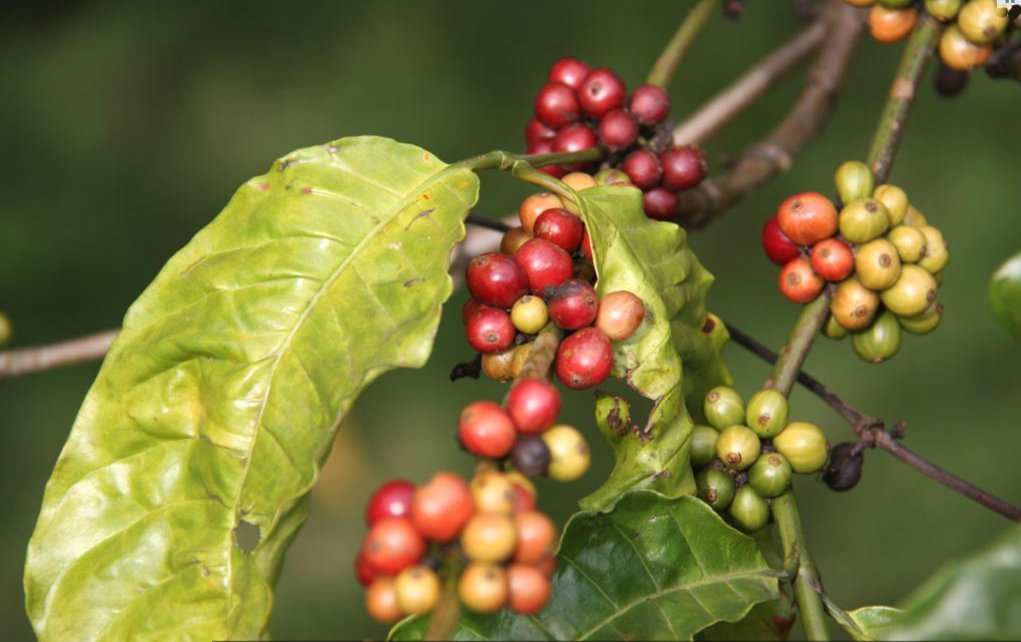
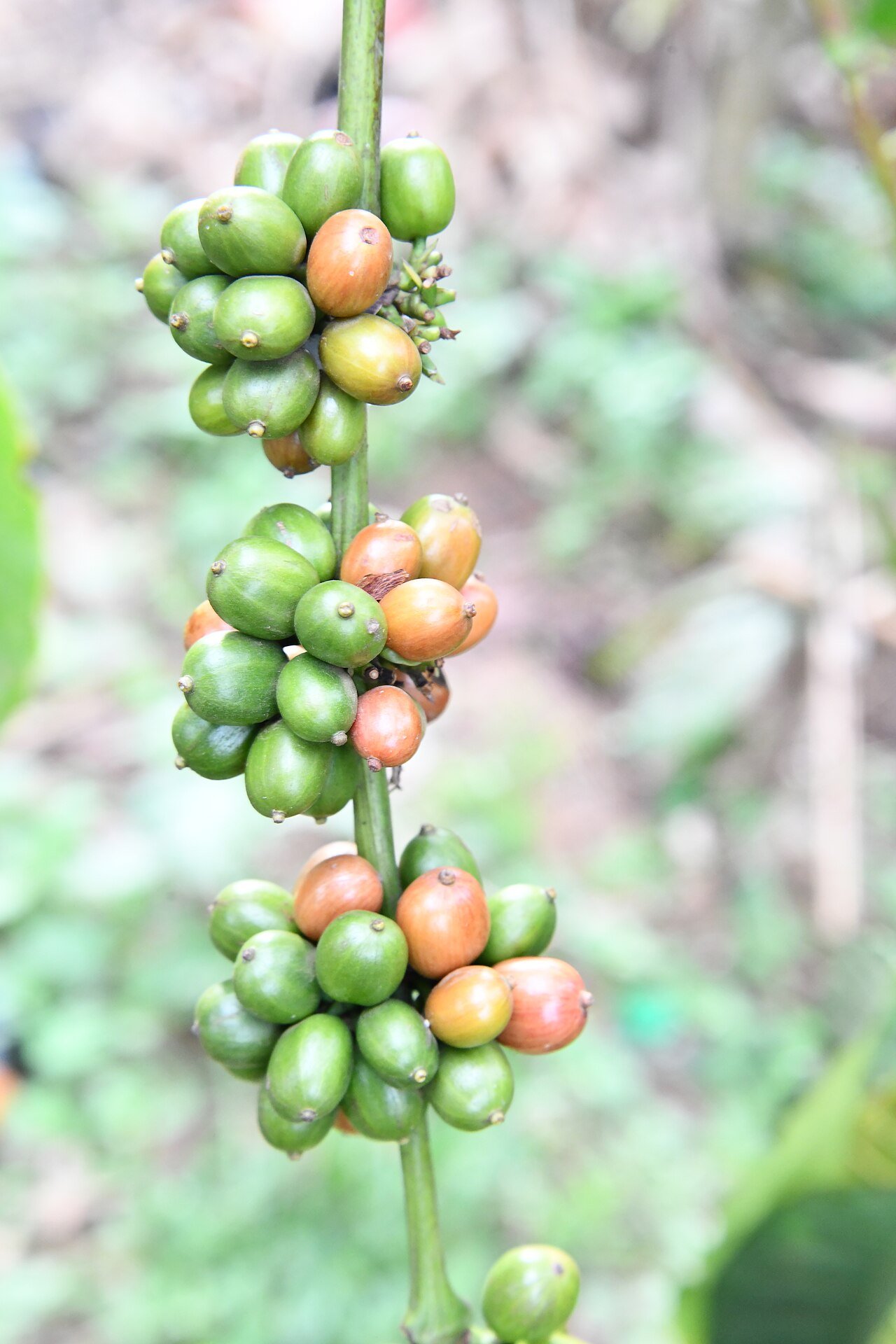
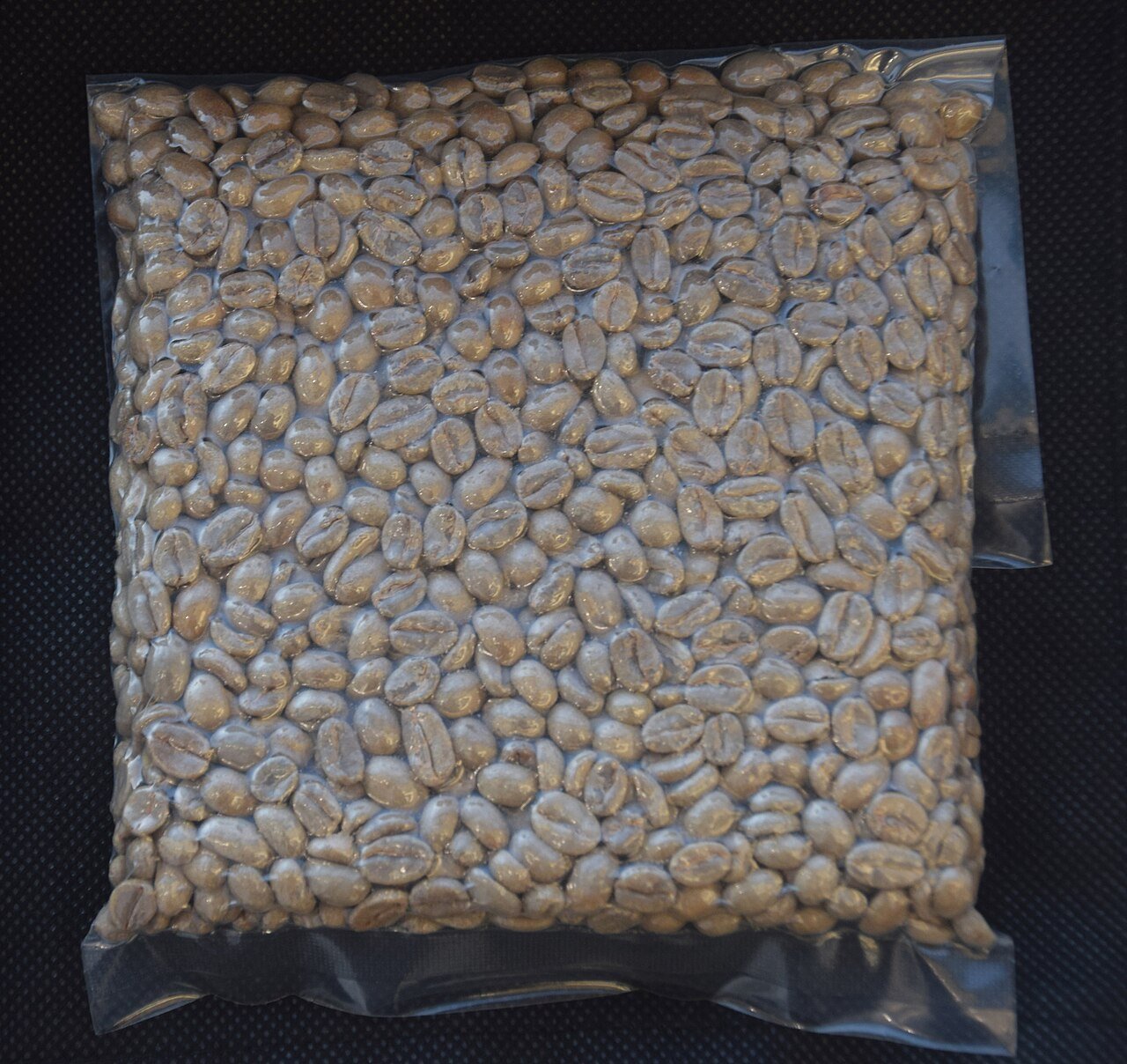
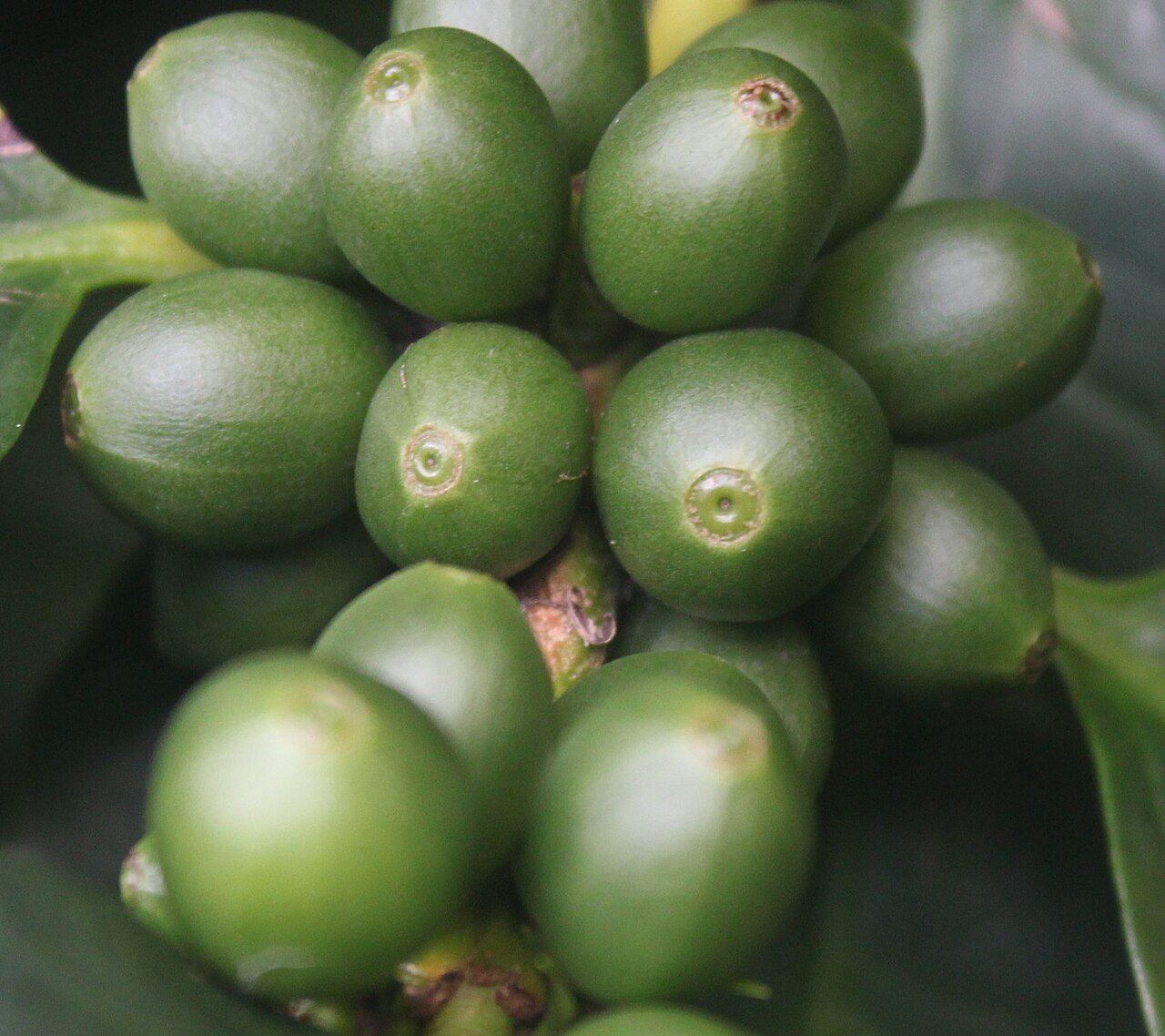
Green coffee is the raw seed of the coffee cherry after it has been picked, processed, dried and hulled. It is hard, pale green to yellowish, and smells a bit like hay or grass. Nobody drinks it like that. It has to be roasted first, and that is where the brown colour and all the familiar flavours come from. The science of what happens in the roaster is a big subject of its own, and the page on coffee roasting is a decent place to start if you want the chemistry.
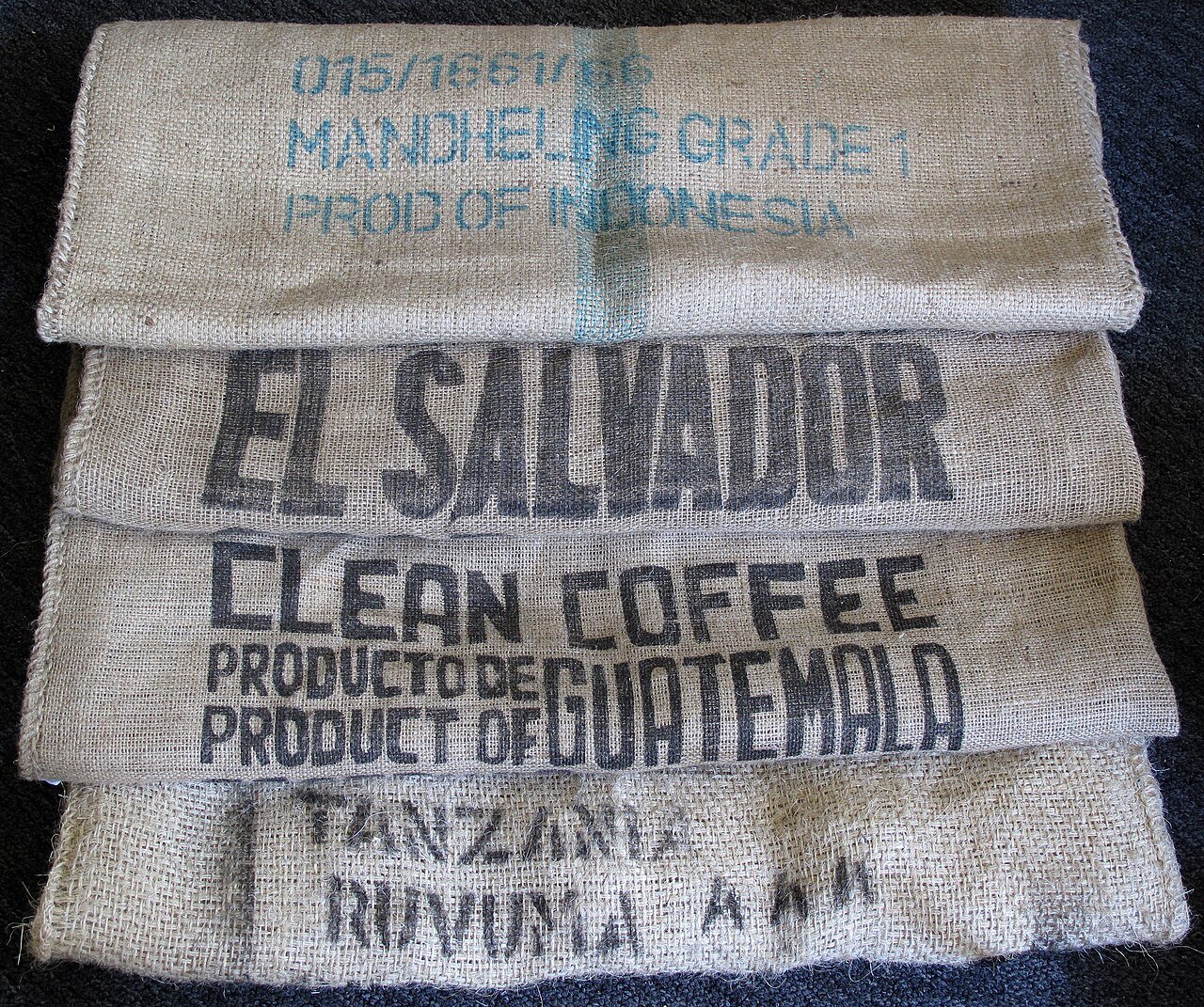
“Wholesale” simply means you are buying in trade quantities. For most suppliers that starts at one export bag, usually 60 kg, though some origins use 69 kg or 70 kg bags. It goes up to a full shipping container, which holds roughly 19 to 21 tonnes depending on how it is packed. When people talk about wholesale green coffee beans, they mean coffee bought in those amounts, at trade prices, with export paperwork, rather than small retail packs.
Wholesale green coffee beans have one huge advantage over roasted coffee: they keep. Roasted beans start to go stale within weeks. Green beans, stored properly, stay in good shape for many months. That is why the whole coffee trade moves green coffee around the world and roasts it close to where it will be drunk.
Who buys wholesale green coffee beans
A surprising mix of people. The main groups we deal with are:
- Small and mid-size roasters. Shops and roasteries roasting anything from a few hundred kilos to a few tonnes a month.
- Large commercial roasters. Supermarket brands, food-service suppliers and private-label packers.
- Instant coffee makers. Soluble coffee plants buy mainly Robusta, usually by the container.
- Importers and distributors. Companies that bring coffee into their own country and resell it to local roasters.
- Café and hotel groups. Some larger groups now roast in-house and buy green coffee directly.
Each group buys wholesale green coffee beans for slightly different reasons. A specialty roaster cares most about taste and traceability. An instant coffee plant cares about yield, price and a steady supply. An importer wants coffee that will sell easily in their market. Knowing which group you are in helps you ask the right questions.
Start with the right species: Arabica or Robusta
Almost all coffee sold in the world is one of two species. Arabica is the sweeter, more aromatic one, grown higher up, and it costs more. Robusta is stronger, more bitter, with roughly double the caffeine, and it costs less. We wrote a full comparison in our guide to Arabica vs Robusta, so here is just the short version for buyers.
Buy Arabica if you sell single-origin coffee, light roasts, filter coffee or premium espresso. Our African Arabica coffee beans and our single-origin Africa Arabica coffee beans are good examples of what this species can do.
Buy Robusta if you make espresso blends that need crema and body, instant coffee, or strong dark blends at a sensible price. Origins behave quite differently. Brazilian Robusta is smooth and mild. Indian Robusta is clean with a thick crema. Vietnam Robusta is bold and good value. Ugandan Robusta is high-grown and chocolatey.
Most roasters end up buying both. A typical espresso blend might be 70% Arabica and 30% Robusta. So when you plan your first order of wholesale green coffee beans, think about the whole range you want to sell, not just one coffee.
How to judge the quality of wholesale green coffee beans
You can tell a lot about green coffee before you ever roast it. These are the things a good buyer checks, and the things a good supplier should be happy to tell you.
Moisture content
This is the first number to look at on any lot of wholesale green coffee beans. Green coffee should normally sit between about 10% and 12.5% moisture. Too wet and it can go mouldy or fade fast, especially on a long sea journey. Too dry and it loses flavour and roasts unevenly. Ask your supplier for the moisture reading of the actual lot, not a general figure. Every lot of wholesale green coffee beans we ship is tested before it leaves.
Screen size
Coffee is sorted by passing it over screens with round holes. The size is measured in 64ths of an inch, so Screen 18 means the beans did not fall through holes 18/64 of an inch wide. Bigger, more even beans usually roast more evenly and often sell for more. Common grades are 15, 16, 17 and 18, and lots are often described as a range, such as 16/18. Our article on coffee bean grading goes into this in much more detail.
Defects
Defects are beans that are black, sour, broken, insect-damaged, or bits of stone, stick and husk. They matter because a few bad beans can give a whole batch an off taste. Specialty coffee allows very few defects. Commercial grades allow more. A spec sheet should tell you the defect count or the percentage of black beans, broken beans and foreign matter. For example, our Vietnam Robusta is sold with a maximum of 0.1% black beans, 0.5% broken beans and 0.1% foreign matter.
Density and colour
Dense beans are usually grown higher, ripen slower and hold more flavour. Some suppliers give a density figure in grams per litre. Colour should be even. Washed Arabica tends to be blue-green, natural coffee more yellowish, and Robusta often more brown-green. Patchy colour, white spots or a musty smell are warning signs.
Smell
Open a bag of wholesale green coffee beans and smell it. Fresh green coffee smells clean, like hay, grain or dried grass. Anything musty, earthy in a damp way, or chemical is a problem. This sounds basic, but it catches a lot of bad coffee.
Always cup a sample of wholesale green coffee beans first
Specs only tell you so much. The real test is how the coffee tastes after roasting. Any serious supplier of wholesale green coffee beans will send samples, usually 200 g to 1 kg, so you can roast and taste before you commit. If a supplier won’t send a sample, be careful.
Here is a simple way to test a sample without fancy equipment:
- Roast the sample to the level you would normally use. Keep notes on time and temperature. Our guide to roasting green coffee beans explains the basics if this is new to you.
- Let it rest for at least a day.
- Brew it the way your customers will drink it. Espresso, filter, whatever you sell.
- Taste it next to the coffee you use now. Blind if you can, so you don’t fool yourself.
- Write down what you like and what you don’t, and send that feedback to the supplier.
If you want a more formal method, most of the trade uses a cupping protocol based on the standards of the Specialty Coffee Association. It scores things like aroma, flavour, acidity, body and aftertaste. It is worth learning, but don’t let it scare you off. Plenty of good roasters started by simply tasting coffee carefully and writing things down.
Processing matters too. Our guide to coffee processing methods explains how washed, natural and honey lots differ in taste, roasting and price.
Our full guide to coffee cupping explains the standard method, the ratios and how to spot defects in a sample.
Choosing coffee for espresso? Our guide to coffee beans for espresso covers the best origins, blend ratios and roasting.
How the price of wholesale green coffee beans is set
New buyers are often confused by coffee prices, because they move every day. Here is how it works in plain terms.
Most coffee is priced against a futures market. Arabica trades in New York and Robusta trades in London. Those markets go up and down with weather in big producing countries, harvest forecasts, currency moves and demand. The International Coffee Organization publishes regular market reports if you want to follow the big picture.
On top of the futures price sits a “differential”. That is the extra (or sometimes the discount) for a particular origin, grade and quality. A top Kenyan AA has a big differential. A standard commercial Robusta has a small one. Then you add the cost of getting the coffee to you: freight, insurance, and any local costs.
So when you ask for a quote on wholesale green coffee beans, the price you get is roughly:
- the futures price on the day, plus
- the differential for that coffee, plus
- packing, freight and insurance to your port.
This is why good suppliers quote each order instead of printing a fixed price list. A price from three weeks ago may be well off today. It also means you can sometimes save money by being flexible on origin or grade. If you tell your supplier your budget and what the coffee is for, they can often find something that tastes right and costs less.
Timing matters as much as price. Our guide to the coffee harvest season in each origin shows when new crop is offered and when it lands.
For current market levels and how quotes are built, see our guide to green coffee prices.
Minimum orders, bags and containers
How much do you need to buy? It depends on the supplier and on how the coffee travels. A rough guide:
- Samples: 200 g to 1 kg, for testing only.
- Trial order: a few bags, often sent with other coffee or by groupage.
- Pallet: around 10 to 20 bags.
- Full container: about 300 to 320 bags of 60 kg in a 20-foot container.
The bigger the order, the lower the cost per kilo, mainly because freight and paperwork are spread over more coffee. A full container of wholesale green coffee beans is far cheaper per kilo to ship than a few bags. That said, don’t buy more than you can roast in a reasonable time. Green coffee keeps well, but not forever.
Packing matters too. Most coffee ships in jute or sisal bags. Higher-value coffee is often packed with a hermetic plastic liner inside the jute, which protects it from moisture and smells. For Robusta and commercial grades, coffee is sometimes shipped loose in a lined container, called bulk shipping, which is cheaper for very large buyers.
Shipping, Incoterms and paperwork
When you buy wholesale green coffee beans from another country, you need to agree who pays for what along the way. That is done with trade terms called Incoterms. The ones you will see most in coffee are:
- FOB (Free on Board): the seller gets the coffee onto the ship. You pay the sea freight and everything after.
- CFR (Cost and Freight): the seller also pays sea freight to your port. You pay insurance and import costs.
- CIF (Cost, Insurance and Freight): like CFR, but the seller also arranges insurance.
Each shipment should come with a standard set of documents: commercial invoice, packing list, bill of lading, certificate of origin and a phytosanitary certificate. Some countries need more. If importing is new to you, our step-by-step guide to importing coffee beans walks through the whole process, from quote to customs.
Once your order is on its way, you should be able to follow it. Our customers can check progress on our order tracking page.

Look after your wholesale green coffee beans once they arrive
A lot of good coffee is ruined after it lands, simply because it is stored badly. Keep bags off the floor on pallets, away from walls, in a cool, dry room with no strong smells. Aim for around 60% humidity and avoid big temperature swings. Use older stock first. We wrote a whole guide on storing green coffee beans, because it makes such a difference to how your coffee tastes six months later.
Build a relationship with your supplier
The best way to get good wholesale green coffee beans year after year is to stick with suppliers who treat you well and tell you the truth. Some things that help:
- Share your plans. If you tell your supplier roughly how much you will roast over the year, they can plan stock and often get you better prices.
- Give feedback. Tell them what you liked and what you didn’t. A good supplier uses that to pick better lots for you.
- Pay on time. Obvious, but it builds trust fast, and trusted buyers get first pick of the best lots.
- Ask questions. Where is it from? When was it harvested? How was it processed? A supplier who can’t answer is a supplier to watch.
We would much rather have a buyer who orders steadily for years than a one-off big order. That is true of most decent green coffee suppliers. You can read a little more about us and how we work.
Looking for coffees with a clear origin story? Our guide to single origin coffee beans explains what single origin means, how traceability works and how to build a menu that sells.
Not sure who to buy from? Our guide to choosing a green coffee supplier covers specs, samples, contracts, Incoterms and red flags.
For a full buyer’s guide to origins, varieties, grades and prices, see our guide to Arabica coffee beans.
Common mistakes when buying wholesale green coffee beans
We have seen all of these, more than once:
- Buying on price alone. The cheapest coffee is rarely the best value. Cheap lots often have more defects, so you lose weight in sorting and lose customers on taste.
- Skipping the sample. Never commit to a large order of wholesale green coffee beans without tasting a sample from the actual lot.
- Buying too much. A full container sounds great until half of it is still sitting in your warehouse a year later and tasting flat.
- Ignoring moisture. High-moisture coffee can go mouldy in transit. Always check the figure.
- Forgetting freight. A low price per kilo at origin can turn into an expensive coffee once freight, insurance and duties are added. Compare landed costs, not origin prices.
- Not reading the contract. Know your Incoterm, your payment terms, the shipment period and what happens if the coffee does not match the sample.
Buying for your type of business
If you run a small roastery. Start with two or three coffees: a sweet Arabica for filter, a blend base for espresso, and maybe one Robusta to add body. Buy a few bags of each, learn how they roast, then grow from there. Small, regular orders of wholesale green coffee beans keep your stock fresh and your cash free.
If you supply supermarkets or food service. Consistency matters more than anything. Your customers expect the same taste every time. Pick origins with large, steady supply, such as Brazil and Vietnam, and agree specs in writing so every shipment of wholesale green coffee beans matches the last.
If you make instant coffee. You will mostly buy Robusta by the container. Ask about soluble yield, moisture and defects, and look at forward contracts to fix part of your cost ahead of time.
If you are an importer. Think about what roasters in your country already buy and where the gaps are. A good importer of wholesale green coffee beans offers a sensible spread: a couple of everyday Arabicas, a couple of Robustas, and one or two coffees with a story that roasters can build a product around.
Certifications and traceability
Some buyers need certified coffee, such as organic, Fairtrade or Rainforest Alliance, because their customers ask for it. Certified wholesale green coffee beans cost more, and supply of a given certification can be limited, so ask early. If certification matters to you, make it part of the quote request so the supplier only offers lots that qualify.
Traceability is a bit different. More and more roasters want to know which region, cooperative or even farm their coffee came from. Even if you don’t need a certificate, ask where your coffee was grown and how it was processed. It helps you tell a better story on the bag, and it usually goes hand in hand with better quality.
Our wholesale green coffee beans
We supply green Arabica and Robusta from several origins, graded and checked before shipping. Here is the current range:
- African Arabica: bright, fruity, high-grown coffee from East Africa.
- Africa Arabica: traceable single-origin lots from Ethiopia, Kenya, Uganda and more.
- African Robusta: strong and earthy, great for espresso and instant coffee.
- Ugandan Robusta: high-grown, chocolatey and clean.
- Brazilian Robusta: smooth, low-acid Conilon.
- Indian Robusta: shade-grown, with a thick crema.
- Indonesia Robusta: heavy body, cedar and dark chocolate.
- Vietnam Robusta: clean Screen 16/18 at a good price.
You can see everything in one place on our products page, or browse the Arabica and Robusta categories.
Frequently asked questions
What is the minimum order for wholesale green coffee beans?
It varies by supplier. Many start at one 60 kg bag. We are happy to start with a small trial order so you can test the coffee on your roaster before moving to larger shipments.
How long do wholesale green coffee beans last?
Stored cool, dry and away from smells, most green coffee stays in good condition for 9 to 12 months. Robusta often keeps a little longer than delicate Arabica.
Do you ship worldwide?
Yes. We ship to buyers around the world, mainly by sea container to the port you choose.
Can I get a sample before I buy?
Yes, and we recommend it. Ask for one when you request a quote.
Is it cheaper to buy wholesale green coffee beans than roasted coffee?
Per kilo, yes, by a wide margin. You do need a roaster and the skill to use it, and you lose roughly 15% to 20% of the weight in roasting, but most roasters still save a lot and gain full control over flavour.
Ready to buy?
Buying wholesale green coffee beans gets easier with every order. Start with a sample, ask plenty of questions, compare landed costs and build a relationship with a supplier you trust. When you are ready for a price, send us the coffee you are interested in, the quantity and your delivery port through our contact page. We will come back with a quote, available lots and shipping options.

Pingback: Coffee Beans for Cold Brew: 8 Proven Picks for Smooth Flavor - Continental Coffee Supply