
Description
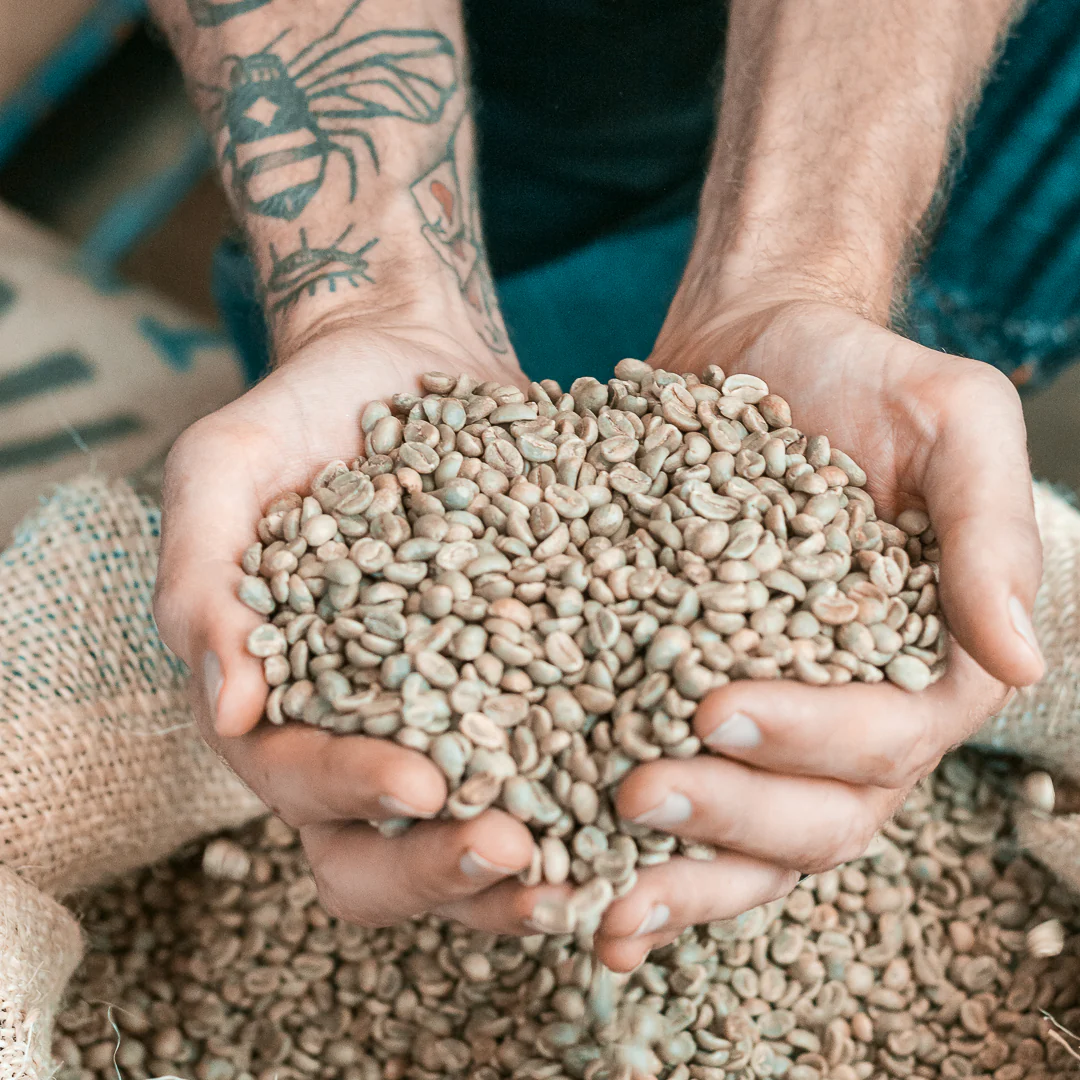
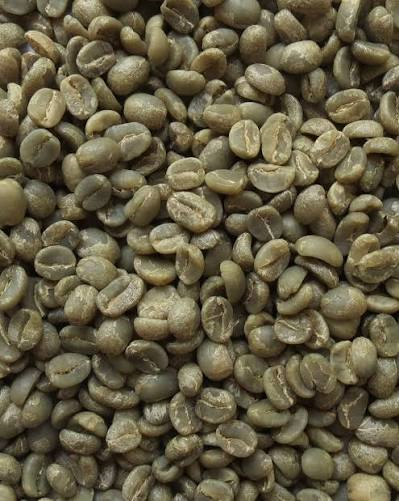
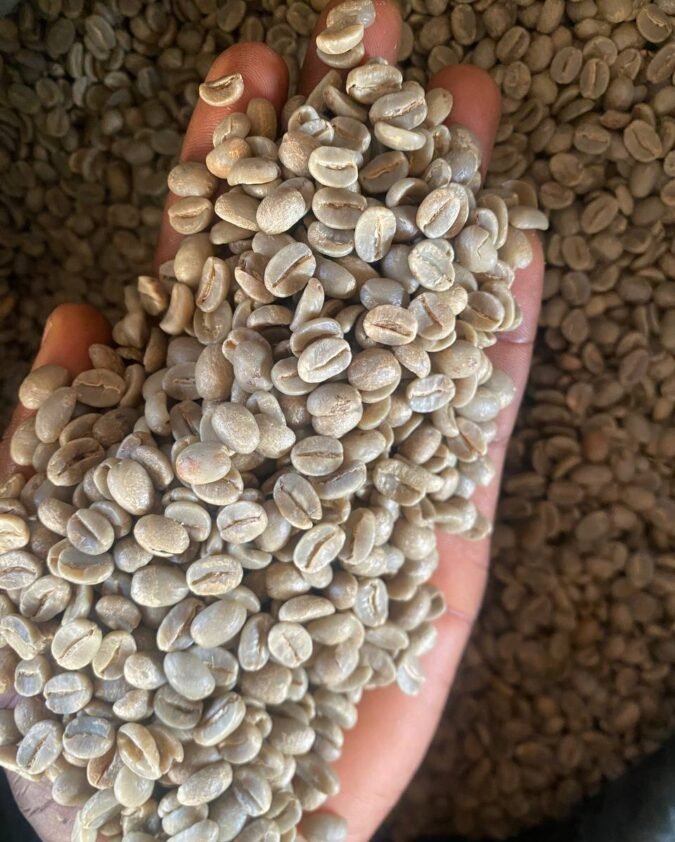
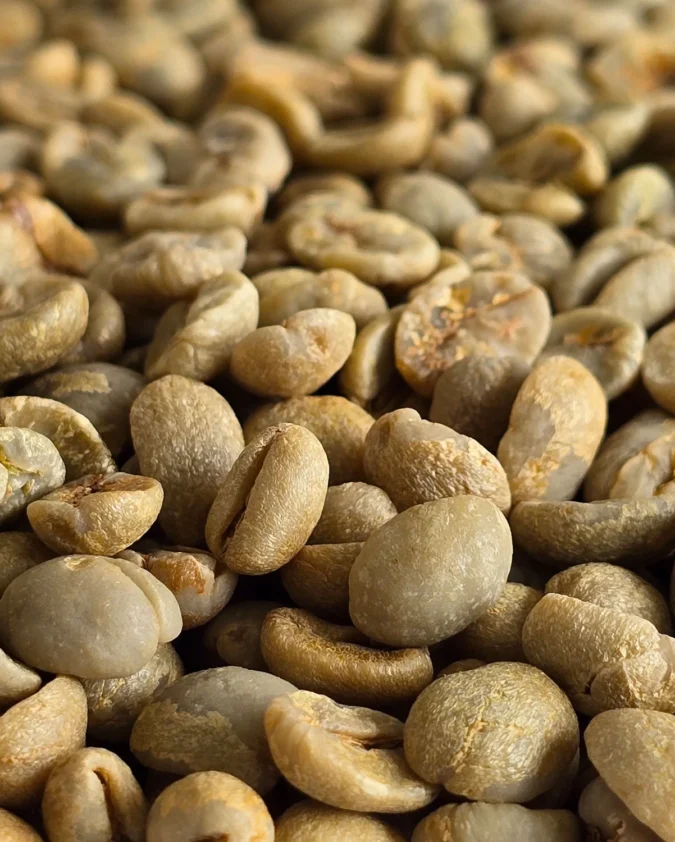
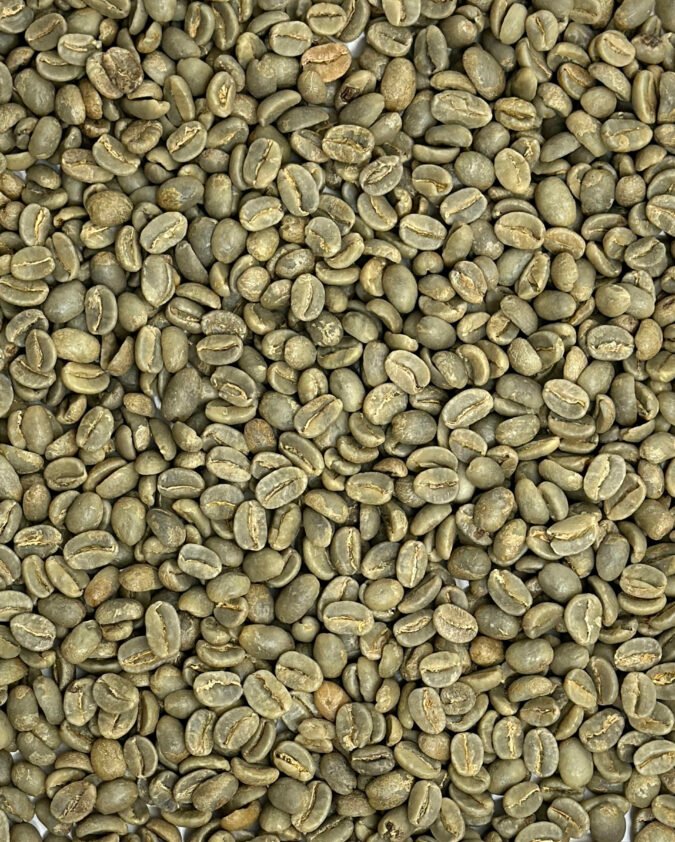
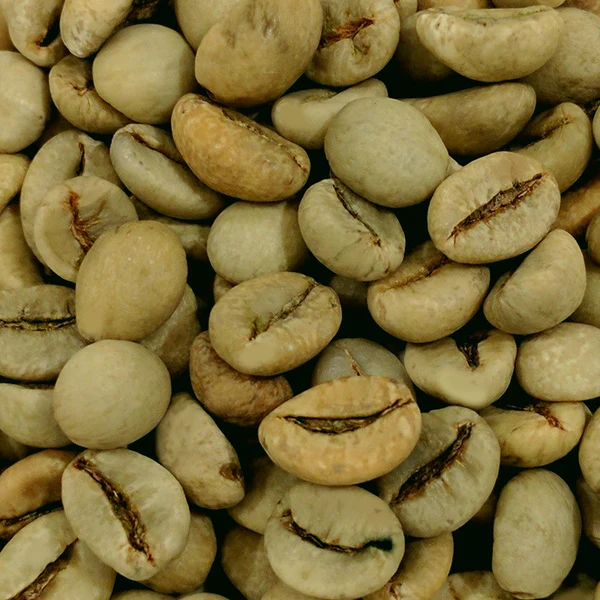
We sell Indonesia Robusta coffee beans in bulk to roasters, blenders, instant coffee makers and importers around the world. The beans are green, graded and packed for export, so you can roast them your own way.
Indonesia is one of the biggest coffee growers in the world, and most of what it grows is Robusta. The Dutch brought coffee to Java in the 1600s, which is why old-timers still call a cup of coffee “a cup of Java”. If you want the full story, there is a good page on coffee production in Indonesia. For a buyer, the main point is simple: there is plenty of it, and the quality is well known.

What Indonesia Robusta coffee beans taste like
Heavy, earthy and strong. Indonesian Robusta has a thick body, very low acidity and flavours of dark chocolate, cedar wood, tobacco and sometimes a little spice or smoke. It is a classic base for dark roasts and strong espresso, and it holds up well under milk and sugar.
The plant is Coffea canephora, the same species grown across Africa and Vietnam, but Indonesia’s volcanic soils and humid island climate give it its own deep, savoury character.
Where it is grown
Most Indonesia Robusta coffee beans come from southern Sumatra, especially Lampung, which is the country’s biggest Robusta area. Bengkulu and South Sumatra grow a lot too. On Java, East Java has large Robusta estates, and smaller amounts come from Sulawesi and Bali. Farms sit at about 600 to 1,400 metres, a bit higher than many Robusta regions.
Indonesia Robusta coffee beans specifications
- Species: Coffea canephora (Robusta)
- Origin: Indonesia (Sumatra, Java, Sulawesi, Bali)
- Altitude: about 600 to 1,400 m above sea level
- Processing: natural (dry), washed lots on request
- Screen size: 16/18 or 18/20
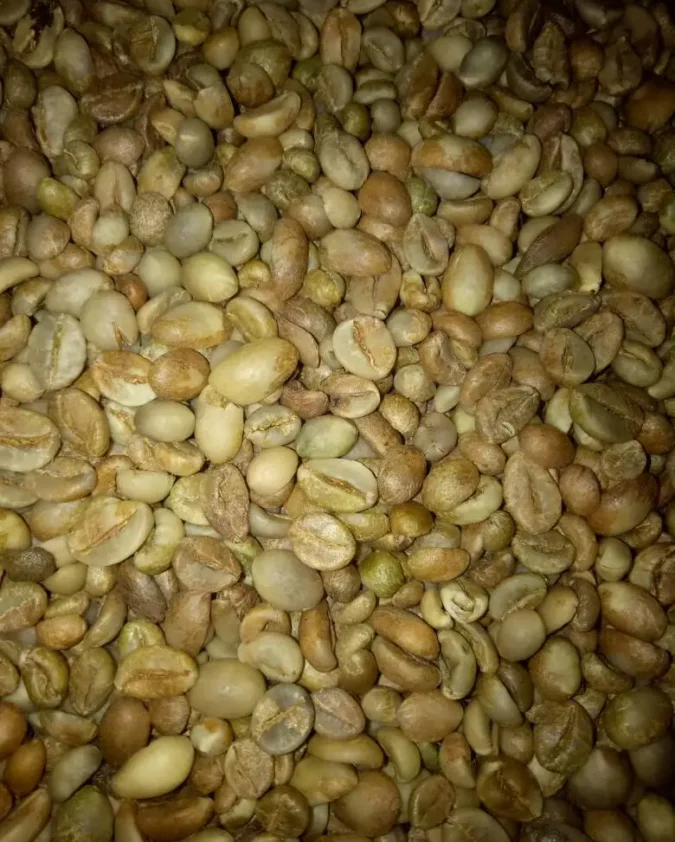
- Defects: under 5% on premium grades
- Moisture: 10% to 12%
- Caffeine: 2.2% to 2.7% by weight
- Cup notes: dark chocolate, cedar, tobacco, light spice
- Acidity: low
- Body: heavy
- Form: green (unroasted) beans
- Packing: 60 kg jute bags as standard, other packing on request
Natural or washed Indonesia Robusta coffee beans?
Most Indonesia Robusta coffee beans are natural. The cherries are dried whole in the sun, then hulled. That gives the earthy, heavy cup most buyers expect. Washed Robusta, where the fruit is taken off before drying, tastes cleaner and is a bit sweeter. It costs more and there is less of it, but it is worth asking about if you want a higher Robusta share in a premium espresso.
Harvest and processing
The main Robusta harvest in southern Sumatra and Java usually runs from about April to August, with the busiest months in the middle of that window. Most farms are small family plots of a hectare or two. Farmers pick the ripe red cherries by hand, dry them on tarps, patios or roadsides, and sell the dried coffee to collectors in the village. From there it goes to export mills, where it is hulled, cleaned, sorted by size and density and checked for defects.
That last step is where quality is made or lost. Careful mills remove black, broken and insect-damaged beans and bring moisture down to export level. The Indonesia Robusta coffee beans we sell come from mills that do this properly, and we check each lot again before it is shipped.
A note on grades
Indonesian coffee is graded by the number of defects in a sample. Grade 1 has the fewest, and the numbers go up from there. Screen size is listed separately, so a lot might be sold as Grade 1, Screen 18. For espresso and whole-bean retail, Grade 1 or Grade 2 Indonesia Robusta coffee beans are the usual choice. Lower grades can work for instant coffee, where looks matter less. When you ask for a quote, tell us what you will use the coffee for and we will match the grade to it, so you are not paying for quality you don’t need.
Robusta and Arabica compared
New to green coffee? This is how Indonesia Robusta coffee beans compare with Arabica.
| Robusta | Arabica | |
|---|---|---|
| Plant | Coffea canephora | Coffea arabica |
| Altitude | sea level to about 1,500 m | usually above 1,000 m |
| Caffeine | 2.2% to 2.7% | 1.2% to 1.5% |
| Taste | strong, earthy, low acidity | sweet, fruity, bright |
| Crema | thick and lasting | lighter |
| Price | lower | higher |

What it is good for
Espresso blends. It adds body, crema and a deep chocolate base. Many dark Italian-style blends use it.
Instant coffee. High soluble yield and a strong taste that survives processing.
Strong black or sweetened coffee. Markets that drink coffee strong, with condensed milk or sugar, love it.
Blending ideas
- Dark Italian espresso: 70% Arabica and 30% Indonesia Robusta coffee beans, roasted dark.
- Smoother blend: 80/20 with a sweet Arabica such as our African Arabica.
- Robusta duo: half Indonesian and half Brazilian Robusta for a strong but rounded base.
These are starting points. Roast small batches, taste them side by side and adjust.
Roasting tips
Medium-dark to dark suits these beans. A medium-dark roast keeps the chocolate and cedar. Going darker brings more body and that bittersweet espresso taste, but stop before the beans turn oily and burnt. They are dense, so give them good heat early and don’t rush the finish.
Storing your coffee
Keep the bags in a cool, dry place, off the floor on pallets and away from walls and sunlight. Green coffee soaks up smells, so store it away from spices, fuel and chemicals. Humidity around 60% is about right. Stored that way, green Indonesia Robusta coffee beans keep in good condition for up to a year.
Quality checks
We check every lot for moisture, screen size, defects and foreign matter before it is bagged, and we cup samples so we know what we are sending. Moisture stays at 12% or below so the coffee arrives in good shape after weeks at sea. If you want to roast it first, ask for a sample with your quote.
Shipping and documents
We ship worldwide by sea container. Each shipment comes with the usual export papers: commercial invoice, packing list, bill of lading, certificate of origin and phytosanitary certificate. If your country needs anything extra, tell us when you order. You can follow your coffee on our order tracking page once it is on its way.
What moves the price
Robusta prices follow the London futures market, which moves every day with harvest news, weather and demand. Grade, processing, quantity and freight are added on top. That is why we quote Indonesia Robusta coffee beans for each order rather than showing one fixed price. Tell us your budget and use, and we will suggest the grade that fits.
How to order
We sell by the ton and deliver worldwide. Send the grade, quantity and your delivery port through our contact page and we will reply with a price and shipping options.
You can also compare other origins in our Robusta range, including Vietnam Robusta, Indian Robusta and Ugandan Robusta, or see all our products.
Who buys it from us
Three kinds of buyer, mostly. Espresso roasters who want a deep, chocolatey base and thick crema. Instant and soluble coffee makers who buy by the container and need a steady flavour at a sensible price. And importers or distributors who resell green coffee to smaller roasters in their own country.
If that sounds like you, send us your monthly volume and delivery port. We will suggest the right lot of Indonesia Robusta coffee beans and send a sample from the actual lot we would ship, so what you test is what you get.
Why buy from us
We only do bulk green coffee. We know our lots, we check them before they ship, and we will tell you straight what a coffee is good for and what it isn’t. Our buyers range from small roasters placing a first order to distributors moving full containers. You can read more about us here.
New to roasting? Our step-by-step guide to roasting green coffee beans covers equipment, roast levels and profiles for every origin we sell.
Curious how Indonesia Robusta coffee beans are processed, and how washed, natural and honey coffee differ? Read our guide to coffee processing methods.
Before you order Indonesia Robusta coffee beans in bulk, cup a sample. Our guide to coffee cupping shows you how.
Wondering when fresh Indonesia Robusta coffee beans arrive? Our guide to the coffee harvest season has the timing.
Using Indonesia Robusta coffee beans in espresso? Our guide to coffee beans for espresso has blend ratios and roasting tips.
Wondering what Indonesia Robusta coffee beans cost right now? Our guide to green coffee prices explains current market levels and how we quote.
Our Indonesia Robusta coffee beans can be sold as a single origin. Our guide to single origin coffee beans explains how to present and sell them.
Comparing suppliers for Indonesia Robusta coffee beans? Our guide to choosing a green coffee supplier explains what to check before you buy.
Blending Indonesia Robusta coffee beans with Arabica? Our buyer’s guide to Arabica coffee beans explains origins, grades and prices.
We ship Indonesia Robusta coffee beans green, ready for you to roast. Our guide to unroasted coffee beans explains how to store, roast and buy them.
Common questions
Are your Indonesia Robusta coffee beans roasted?
No. We sell green beans so you can roast them to your own profile.
Which island has the best Robusta?
Lampung in southern Sumatra produces the most and is the usual choice for blends. Java Robusta is often a little cleaner. A sample of each is the easiest way to decide.
How long do green Indonesia Robusta coffee beans keep?
Up to about a year in cool, dry storage away from strong smells.
Can I order a sample first?
Yes. Ask for one when you request a quote.
Is Indonesian Robusta the same as Sumatra coffee?
Not quite. Sumatra is famous for its Arabica, like Mandheling. Our Indonesia Robusta coffee beans come mostly from the southern part of the island and from Java, and they taste heavier and earthier than Sumatran Arabica.
Can I mix it with other Robustas?
Yes. It pairs well with Brazilian Conilon for a smoother base, or with Indian Robusta for more spice. Roast each one on its own first so you learn how they behave.



There are no reviews yet.