Single origin coffee beans are coffees that come from one known place, rather than a mix of coffees from different countries. That place can be as broad as a country or as narrow as a single farm or plot. Roasters and cafés buy single origin coffee beans because they taste distinct, carry a story customers connect with, sell at higher prices, and are easier to trace back to where they were grown, which is becoming a legal requirement in some markets. We sell green single origin coffee beans in bulk, Arabica and Robusta, from origins in Africa, Asia and South America, shipped worldwide.
This guide explains what single origin really means at each level, how it compares with blends, how origin shapes flavour, how traceability rules such as the EU Deforestation Regulation affect buyers, what to check before you buy, and how to build a single origin menu that sells. Facts are linked to their sources; practical advice is our own and labelled as such.

What are single origin coffee beans?
Wikipedia’s article on single-origin coffee defines it simply as coffee grown within a single known geographic origin. It adds an important detail: single-origin coffees may come from a single farm, from multiple farms in the same country, or from a mix of coffees grown in that country, and it can even refer to a whole country such as Brazil, Colombia or Vietnam. Estate coffees are described there as a specific type of single-origin coffee.
In other words, “single origin” is a spectrum, not one standard. A sack labelled with just a country name and a microlot from one named farm are both single origin coffee beans, but they are very different products. It helps to think in levels:
| Level | What it means | Typical use |
|---|---|---|
| Country | Coffee from one producing country, often blended from many farms | Everyday single origins, blend components |
| Region | Coffee from one named region inside a country | Single origins with a clearer flavour identity |
| Cooperative or washing station | Coffee from many small farms processed at one site | Traceable specialty lots, especially in East Africa |
| Farm or estate | Coffee from one farm | Premium single origins with a story |
| Microlot | A small, separated lot from one farm, plot or picking | Top specialty, limited releases |
The narrower the origin, the more distinctive and traceable the coffee usually is, and the higher the price. When you buy, always ask exactly what “single origin” means for that lot.
Why buyers choose single origin coffee beans
- Distinct flavour. Wikipedia notes that single origins can offer unique characteristics and specific tastes compared with blends from multiple origins. An Ethiopian natural and an Indian Robusta taste nothing alike.
- A story to tell. Customers like knowing where their coffee comes from. A named country, region or farm on the bag gives them that.
- Higher value. Traceable single origins usually command higher retail prices than generic blends.
- Menu variety. Rotating single origins gives regular customers something new to try.
- Traceability. Knowing exactly where coffee comes from matters more each year, for quality and, in some markets, for the law.
Traceability also counts in quality assessment. The Specialty Coffee Association’s new Coffee Value Assessment includes an extrinsic assessment that evaluates information beyond the cup that adds value, such as certifications, origin traceability and processing information (SCA).
Single origin coffee beans vs blends
Neither is better. They do different jobs. This comparison is our practical summary:
| Single origin coffee beans | Blends | |
|---|---|---|
| Flavour | Distinct, shows one place | Balanced, built to a target |
| Consistency | Changes with each crop and lot | Kept steady by adjusting components |
| Story | Strong: a named place and producer | Weaker, based on the house style |
| Price | Often higher, especially for traceable lots | Can be managed by mixing cheaper components |
| Best for | Filter, guest espresso, retail bags | House espresso, milk drinks, food service |
Most successful roasters sell both: a steady house blend for espresso and milk drinks, plus a rotating set of single origin coffee beans for filter, guest espresso and retail. Many blends are also built from single origin components, so buying good single origins helps your blends too. Our guide to coffee beans for espresso shows how to combine them.
How origin shapes flavour
Several things about a place show up in the cup. As general guidance from coffee practice:
- Species and variety. Arabica and Robusta taste very different, and varieties within each add their own character. See our Arabica vs Robusta guide.
- Altitude and climate. Higher, cooler farms tend to produce denser beans with more acidity; lower, warmer farms tend to give softer, heavier cups.
- Processing. Washed, natural and honey processing can make the same farm’s coffee taste very different. Our guide to coffee processing methods explains how.
- Harvest and care. Ripe picking, careful drying and good storage all protect what the origin gives.
This is why two single origin coffee beans from neighbouring countries, or even neighbouring farms, can taste quite different, and why the same farm can change from year to year.

Our single origin coffee beans
Every coffee we sell is sourced by origin, so each one can be sold as a single origin, at country level or narrower, depending on the lot. Here is a summary. Cup notes are typical for each origin, not promises for a specific lot, and we confirm the origin level, processing and crop year with every quote.
| Our coffee | Origin level | Cup character | Good for |
|---|---|---|---|
| Africa Arabica | Country and region, often washing station | Floral, berry, citrus, stone fruit | Filter single origins, guest espresso |
| African Arabica | East African highlands | Bright, fruity, sweet | Filter, blend lift |
| Ugandan Robusta | Country, graded by screen | Cocoa, dark chocolate, long finish | Single-origin Robusta espresso, milk blends |
| Indian Robusta | Country (South India), Cherry or Parchment | Clean bitterness, spice, thick crema | Espresso, premium Robusta single origin |
| Brazilian Robusta | Country (Conilon regions) | Smooth, nutty, low acidity | Blends, approachable Robusta |
| Vietnam Robusta | Country (Central Highlands) | Bold, sweet finish | Strong espresso, Vietnamese-style coffee |
| Indonesia Robusta | Country (Sumatra, Java) | Heavy, cedar, dark chocolate | Heavy espresso, strong blends |
| African Robusta | Country, by origin | Strong, earthy, nutty | Dark roasts, strong blends |
For Arabica single origins with the clearest story, our Africa Arabica coffee beans let you choose the country, such as Ethiopia, Kenya, Uganda or Tanzania. For Robusta, single origin coffee beans are less common on café menus, which is exactly why a clean Indian Robusta or high-grown Ugandan Robusta can stand out. Our guide to the best Robusta coffee beans compares the Robusta origins in detail.

Traceability is becoming a legal requirement
For buyers selling into Europe, knowing where coffee comes from is no longer just a marketing point. The European Commission states that, under the EU Deforestation Regulation (EUDR), from 30 December 2026 products placed on, sold within or exported from the EU must be free from deforestation, and coffee is one of the commodities covered (European Commission).
The practical detail is in the geolocation rules. A factsheet from the European Forest Institute, produced with EU funding, explains that coffee must be traceable to the plot of land where it was grown, that operators must include geolocation coordinates with six decimal places for every plot, and that products from plots without geolocation information cannot be placed on the EU market. Plots under 4 hectares can be identified with a single point; larger plots need a polygon. The coordinates are used to check whether deforestation happened after the cut-off date of 31 December 2020 (European Forest Institute). The same factsheet notes a later, mid-2027 date for EU micro and small enterprises.
What this means for buyers: single origin coffee beans with clear traceability are much easier to bring into the EU than anonymous commercial blends from many sources. Even outside Europe, more customers ask where their coffee comes from. When you buy, ask your supplier what traceability and documentation they can provide for each lot, and whether it meets the rules in your market. We are not lawyers, so for compliance questions specific to your business, check the official guidance or a qualified adviser.
Supply: where single origin coffee beans come from
Some origins produce huge volumes and others very little, which affects availability and price. The USDA’s July 2026 report forecasts 2026/27 production at 71.9 million 60 kg bags for Brazil, 32.5 million for Vietnam, 13.4 million for Colombia, 12.1 million for Ethiopia, 11.4 million for Indonesia, 7.16 million for Uganda and 6.14 million for India (USDA). Large origins like Brazil and Vietnam can supply consistent single origin coffee beans in volume. Smaller origins, and smaller lots within any origin, sell out faster and may only be available for part of the year.
Timing matters too. Each origin has its own harvest, so the freshest single origin coffee beans from each country arrive at different points in the year. Our guide to the coffee harvest season has a country-by-country calendar.

What single origin coffee beans cost
Origin has a direct effect on green coffee prices. The International Coffee Organization groups coffee by type, and the gaps are large: in September 2026, its Colombian Milds group (washed Arabica) averaged 356.15 US cents per pound, Brazilian Naturals 290.19 and Robustas 167.49 (ICO). Narrow, traceable single origins such as farm lots or microlots usually sit above these indicator levels, because of their quality, limited volume and the extra work to keep them separate.
For a buyer, the question is whether the premium is worth it for your product. For a retail single-origin bag or a featured filter coffee, it usually is. For a milk-heavy house blend, a country-level single origin or a blend may make more sense. Our guide to green coffee prices explains how prices are built and how to compare quotes.
Arabica or Robusta single origins?
Most single origin coffee beans on café menus are Arabica, because Arabica’s fruit and acidity show off origin character clearly. But Robusta single origins deserve more attention than they get. Clean, well-processed Robusta from origins like India and Uganda can make a striking single-origin espresso with a thick crema and deep chocolate notes, and it gives you something most competitors don’t offer. A Robusta single origin also tells an honest story about the countries that grow most of the world’s Robusta, rather than hiding them in a blend.

Single origin coffee beans by country
Here is a quick tour of the origins we work with and what their single origin coffee beans typically offer. Cup notes are general patterns, not guarantees for any lot.
Ethiopia
The birthplace of Arabica and one of the most exciting sources of single origin coffee beans. Washed lots tend to be floral and tea-like; naturals are often packed with berry fruit. The USDA notes that Ethiopia is forecast to reach a record 12.1 million bags in 2026/27, with over half of the cultivated area replaced by higher-yielding varieties over the last four years (USDA).
Kenya
Washed, juicy and intense, often with blackcurrant and citrus. Kenyan coffee is graded by size, with AA the largest. Small volumes and strong demand keep prices high.
Uganda
Best known for Robusta, but Uganda also grows sweet, chocolatey Arabica on Mount Elgon. Its high-grown Robusta is some of the cleanest you can buy, which makes Ugandan single origin coffee beans a good choice for a Robusta espresso.
Tanzania
Bright, clean Arabica with stone fruit and black tea notes. Tanzanian peaberries are a popular single origin.
India
Shade-grown coffee from the south of the country, mostly Robusta. Washed Indian Robusta is among the cleanest Robustas available and works well as a single-origin espresso.
Vietnam
The world’s largest Robusta grower, forecast by the USDA at a record 32.5 million bags in 2026/27 (USDA). Clean, well-sorted Vietnamese Robusta makes bold single origin coffee beans for strong espresso or Vietnamese-style coffee.
Indonesia
Heavy, earthy coffee from islands such as Sumatra and Java. The USDA notes that about 75% of Indonesia’s Robusta is grown in the lowland areas of Southern Sumatra and Java (USDA).
Brazil
The world’s largest producer, accounting for nearly 40% of world production according to the USDA. Brazil supplies huge volumes of consistent single origin coffee beans, from smooth natural Arabica to Conilon Robusta.
Washing stations and cooperatives
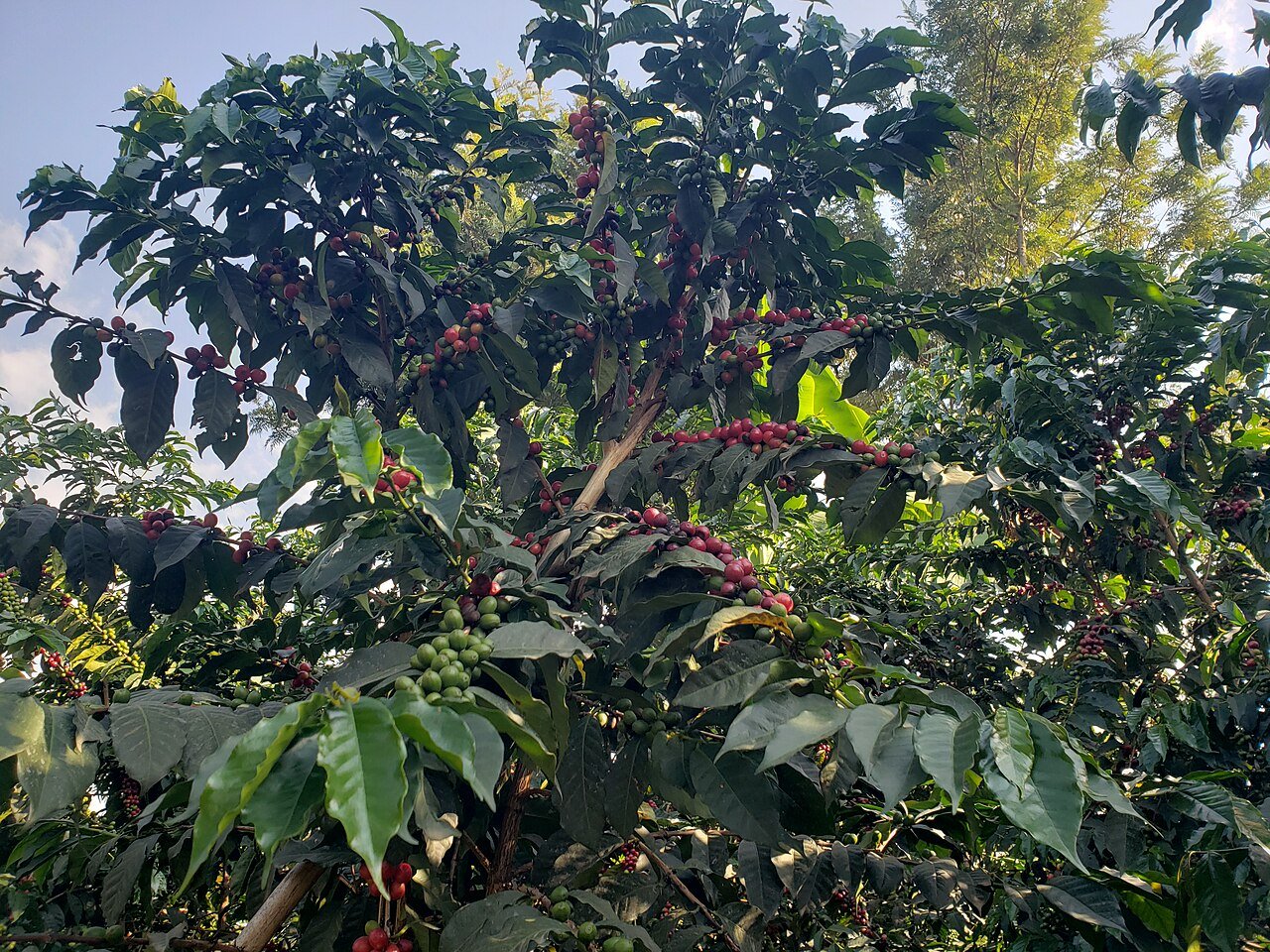
In many origins, especially in East Africa, coffee comes from thousands of smallholder farms with a few hundred trees each. Their cherries are delivered to a washing station or cooperative, which processes them into one traceable lot. These lots are a very practical form of single origin coffee beans: specific enough to tell a real story, large enough to buy in useful quantities, and often well documented. If farm-level lots are too small or too expensive for your needs, washing station lots are a great middle ground.
Single-origin espresso
Single origin coffee beans are not only for filter. A single-origin espresso can be a great way to show a coffee off, especially as a “guest” next to your house blend. Choose coffees that taste sweet and balanced when concentrated, roast them a little more developed than for filter, and test them as espresso and in milk before putting them on the menu. Clean Robusta single origins, such as Indian or Ugandan, can make a remarkable espresso on their own. Our guide to coffee beans for espresso has more detail.
Single origins also work well in other drinks: see our guides to coffee beans for cold brew and coffee beans for instant coffee.
Keeping single origins consistent from crop to crop
Single origin coffee beans change every year with the weather, the harvest and the lot. That is part of their appeal, but it also means a “Kenya AA” you sell this year may taste different from last year’s. Many roasters handle this by naming the season or crop year on the bag, cupping each new lot before switching, and treating each new crop as a new release rather than a direct replacement. Customers who love single origins usually enjoy that sense of change, as long as you tell them about it.
What customers ask, and how to answer
When you sell single origin coffee beans, customers often ask the same questions: Where is it from? How was it processed? What does it taste like? Is it fresh? Have short, honest answers ready on your bag, website and menu. Name the country and, where you can confirm it, the region or washing station. Give the processing method and the crop year. Describe the flavour in plain words from your own tasting. That simple information does more to sell a single origin than any amount of marketing language.
Working with one supplier across origins
Buying several single origin coffee beans from one supplier can simplify things: one set of contracts, combined shipments, consistent paperwork and a single contact who knows your needs. It also makes it easier to plan a rotating menu across the year, because your supplier can tell you when each origin’s new crop will be ready. Our guide to green coffee prices explains how combined orders and staged shipments can also help with cost.
Single origin coffee beans for different businesses
Specialty café. Use single origin coffee beans for filter and a rotating guest espresso. Two or three at a time is enough, chosen to contrast: one bright, one fruity, one chocolatey.
Roaster selling retail bags. Single origins are often your most visible products online and on shelves. Clear labels, crop years and honest tasting notes matter as much as the coffee.
Roaster supplying cafés. Offer a small single origin range alongside your house blend, so your café customers can run a guest coffee without buying from someone else.
Importer or distributor. Traceable single origin coffee beans, with good documentation, are increasingly what roasters in your market will ask for, particularly in Europe.
Coffee brand without a roastery. Work with a roaster to build a short line of single origins with a consistent look, and plan new releases around the harvest calendar.
Microlots: when are they worth it?
Microlots are the narrowest form of single origin coffee beans: small, separated lots from one farm, plot or picking. They can be extraordinary, and they make great limited releases. But they come in small volumes, cost more, and are usually gone when they are gone. They make sense when you want a special release, a competition coffee or a story-led product for customers who will pay for it. For everyday single origins, country, region or washing station lots usually give better value and more stable supply.
Telling the origin story well
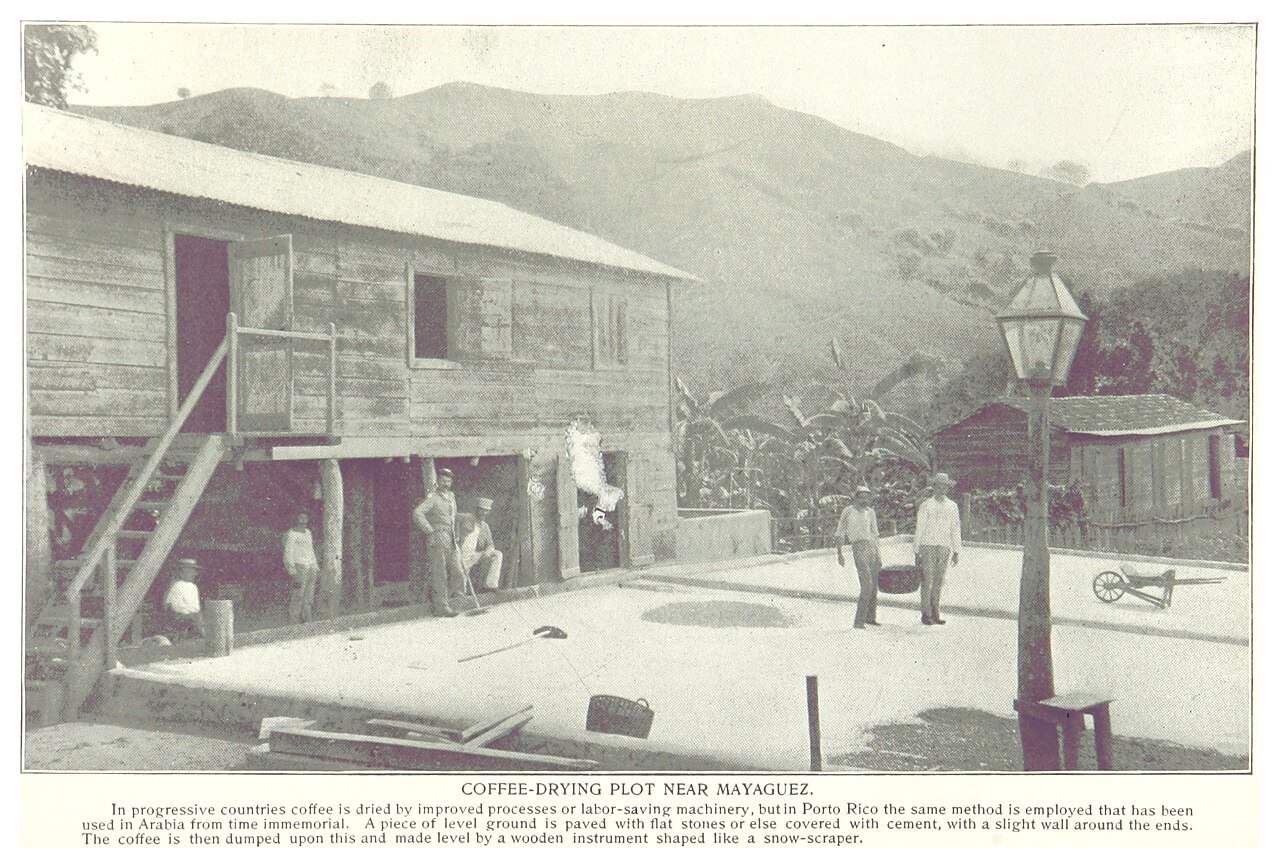
Customers respond to real details. Where is it grown, roughly how high, how was it processed, and when was it harvested? A map on your bag or website, a photo of the region, and a short paragraph about how the coffee is grown and processed all help. Keep it accurate: only use names and details your supplier can confirm. The goal is to help people understand why this coffee tastes the way it does, not to dress it up.
Buying responsibly
Traceable single origin coffee beans make it easier to understand how your coffee was produced. That helps with legal requirements such as the EU Deforestation Regulation, and with the questions customers increasingly ask about how coffee is grown. When you choose suppliers, ask how they work with producers, what they know about the farms or washing stations behind each lot, and what documentation they can share. Paying fairly for good, traceable coffee is part of keeping quality coffee available in the long run.
Questions to ask before you switch origins
- Does the new origin suit how your customers drink coffee: black, with milk, as espresso or filter?
- Will you be able to buy it again next year, or is it a one-off?
- How does it compare in price per cup with what you use now?
- Do you have the information you need to label and sell it honestly?
Answering these before you buy saves wasted stock and keeps your single origin range working for you.
A quick glossary of origin terms
- Single origin: coffee from one known geographic origin, which may be a country, region or farm.
- Single estate: coffee from one estate or farm, a narrower kind of single origin.
- Washing station lot: coffee from many small farms processed at one site, common in East Africa.
- Microlot: a small, separated lot from one farm, plot or day’s picking.
- Blend: coffee mixed from more than one origin to reach a target taste.
- Crop year: the harvest the coffee comes from, such as 2026/27.
Using these terms consistently on your labels and price lists helps customers understand exactly what kind of single origin coffee beans they are buying.
How long single origins stay fresh
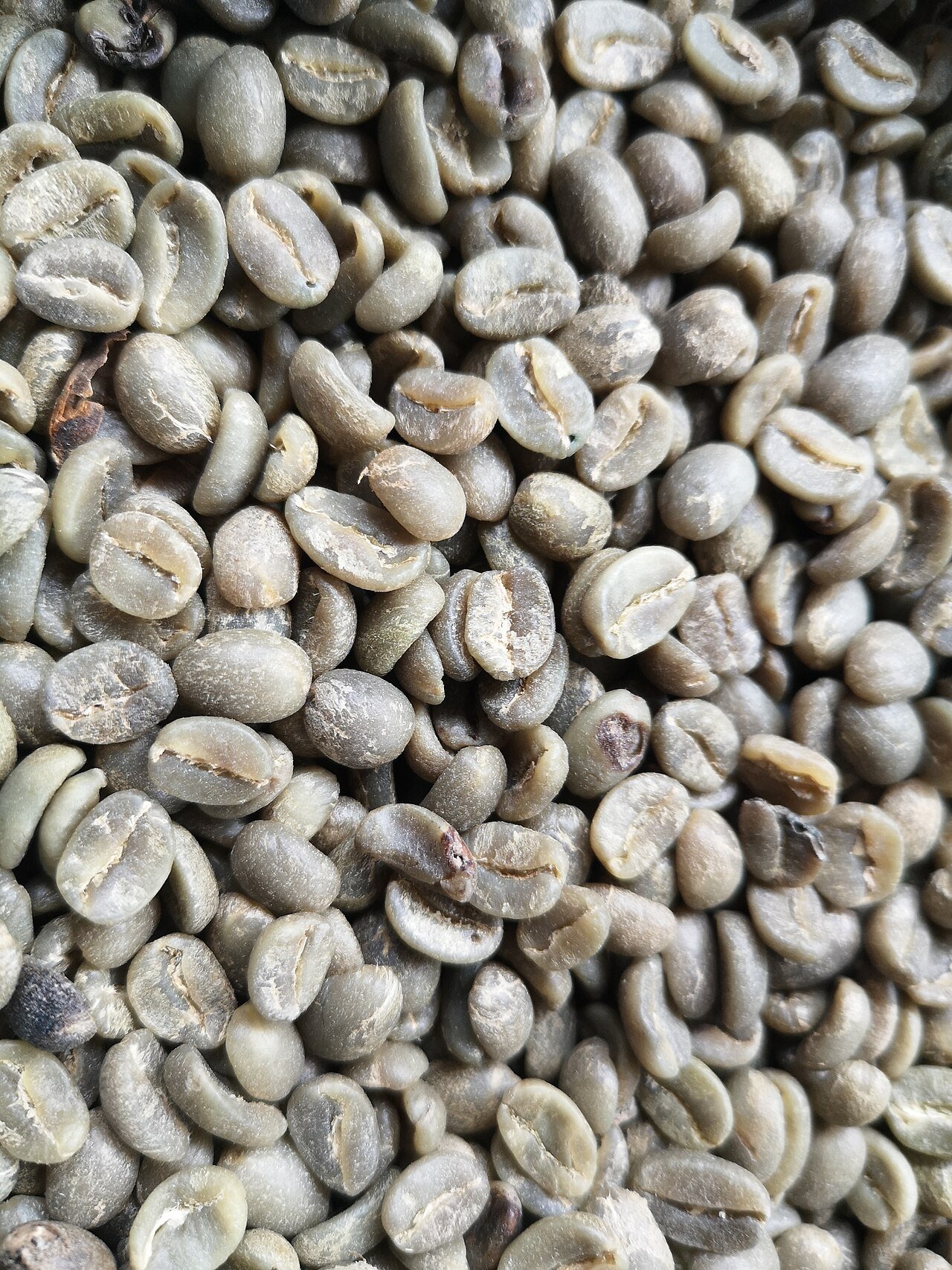
Green single origin coffee beans keep well for months if stored cool, dry and away from smells, but their most distinctive flavours, especially bright acidity and florals in washed Arabica, are usually best in the first months after arrival. Heavier Robustas tend to hold their character longer. Plan to sell each lot within its best window, and use any older stock in blends or darker roasts where small changes matter less.
A simple plan for comparing three samples
When you are choosing between several single origin coffee beans, a little structure helps. Here is a method we suggest:
- Ask for samples of three lots, ideally from different origins or processes.
- Roast all three on the same simple sample profile on the same day.
- Rest them for the same time, then cup them blind side by side.
- Brew your top two the way your customers will drink them: filter, espresso or with milk.
- Compare your favourite against its price and availability before ordering.
In an hour or two you will know which single origin coffee beans deserve a place on your menu, and you will have notes ready for your labels.
How to buy single origin coffee beans
Buying single origin coffee beans well comes down to asking the right questions and tasting before you commit. Here is a checklist we suggest:
- Origin level. Is it country, region, washing station, farm or microlot? What exactly will the label say?
- Traceability documents. What can the supplier provide about where it was grown, and does it meet the rules in your market?
- Processing. Washed, natural, honey or something else?
- Grade and specs. Screen size, moisture and defect count. Our coffee bean grading guide explains what to look for.
- Crop year. Fresh crop shows origin character best.
- Volume and repeatability. How much is available, and will similar coffee be available next year?
- Samples. Always cup a sample of the actual lot. Our guide to coffee cupping explains how.
If you are buying from abroad, our guide to importing coffee beans covers contracts and shipping, and our guide to wholesale green coffee beans covers order sizes.

Building a single origin menu that sells
A good single origin menu is small, clear and changes with the seasons. Many roasters keep three or four slots and rotate the coffee in each as new crops arrive. Here is an example layout, our suggestion rather than a rule:
| Slot on the menu | Example single origin coffee beans | Why |
|---|---|---|
| Everyday single origin | Washed Ugandan or Tanzanian Arabica from our Africa Arabica range | Sweet, balanced, easy to like |
| “Wow” single origin | Natural Ethiopian or Kenyan AA | Distinctive fruit or juicy acidity people remember |
| Single-origin Robusta | Indian Robusta or Ugandan Robusta | Unusual, strong, great as espresso |
| Blend base | Brazilian Robusta or Vietnam Robusta | Large, steady supply for consistency |
Rotating single origin coffee beans with the harvest keeps your menu fresh and gives customers a reason to come back. Tell them why a coffee is on the menu now: “new crop from Ethiopia” is a simple, honest message that sells.
Roasting single origin coffee beans
Single origins are usually roasted to show off their character, so many roasters go a little lighter than for blends, especially for filter. As general practice:
- Washed, high-grown Arabica often shines at light to medium roasts, where acidity and florals come through.
- Natural Arabica can scorch more easily because of surface sugars; many roasters start it a little cooler.
- Robusta single origins usually need medium-dark or darker to taste sweet rather than raw.
- Single-origin espresso usually needs a bit more development than the same coffee for filter.
Roast each new lot in small batches first and adjust. Our guide to roasting green coffee beans covers profiles and faults.
Labelling single origin coffee beans honestly
Because “single origin” can mean anything from a whole country to one farm, as Wikipedia explains, honest labelling builds trust. Some practical rules we suggest:
- Name the origin at the level you can actually confirm: country, region, washing station or farm.
- Only name a farm or producer if your supplier documents it.
- State the processing method and, ideally, the harvest or crop year.
- Describe flavour in plain words from your own cupping, not copied marketing language.
- Avoid claims you can’t back up, such as certifications you don’t hold.
Clear, accurate information is also what the SCA’s extrinsic assessment rewards, since it values origin traceability and processing information (SCA).

Storing single origin coffee beans
Single origins are often bought in smaller lots and sold for their fresh, distinct flavour, so storage matters. Keep green coffee cool, dry and away from smells, rotate stock, and use hermetic liners for anything you will hold more than a few months. Delicate washed Arabicas fade faster than heavy Robustas. Our guide to storing green coffee beans has the details.
Pricing a single origin retail bag
Here is a simple illustrative calculation, using made-up numbers to show the method, not real prices. Suppose your single origin coffee beans cost US$9 per kilo landed. Roasting loses about 15% to 20% of the weight, so one kilo of green coffee gives roughly 820 g of roasted coffee, or about three 250 g bags with a little left over. The green coffee in each 250 g bag therefore costs around US$2.75. Add packaging, labels, roasting energy, labour and overheads, then your margin. Because single origins sell on story and flavour, many roasters price them above their house blend, and the higher green cost is usually a small share of the final price.
Seasonal releases and marketing
Because each origin is harvested at a different time, single origin coffee beans give you a natural calendar of launches. East African coffees, Central and South American coffees and Asian Robustas all arrive fresh at different points in the year. Many roasters announce each new arrival to their customers by email or social media, run a short tasting, and feature the coffee for as long as the lot lasts. It turns buying green coffee into a steady stream of reasons for customers to come back.
To make this work, plan ahead with your supplier. Agree which origins you want across the year, ask when each new crop is expected, and reserve samples early. That way the right single origin coffee beans arrive when you need them, and you never have an empty slot on your menu. Our guide to the coffee harvest season is a good place to start planning.
Not sure who to buy from? Our guide to choosing a green coffee supplier covers specs, samples, contracts, Incoterms and red flags.
For a full buyer’s guide to origins, varieties, grades and prices, see our guide to Arabica coffee beans.
Common mistakes with single origin coffee beans
- Assuming “single origin” means one farm. Check the actual origin level.
- Buying without a sample. Single origins vary a lot from lot to lot.
- Ignoring the crop year. Old single origins lose the character you are paying for.
- Over-roasting. Dark roasts hide origin flavour.
- Making claims you can’t verify about farms, producers or certifications.
- Forgetting traceability rules if you sell into markets such as the EU.
- Building a blend on a coffee you can’t buy again. Use steady-supply origins for blends, and rotate scarce single origins.
Order single origin coffee beans from us
We supply green single origin coffee beans in bulk, Arabica and Robusta, graded and checked before shipping, worldwide. Tell us which origins interest you, the origin level you need, how much you roast and where you are through our contact page. We will confirm what is available, the processing, crop year and traceability information for each lot, and send samples. You can browse our Arabica coffee beans and Robusta coffee beans, see each origin, including African Arabica, Indonesia Robusta and African Robusta, view all our products, read more about us, follow an order on our tracking page, or find more guides on our blog.
Frequently asked questions about single origin coffee beans
What does single origin mean?
Coffee grown in one known geographic origin. That can be a country, a region, a washing station, a single farm or a small lot from one farm.
Are single origin coffee beans better than blends?
Not better, different. Single origins show one place’s character; blends are built for balance and consistency.
Why do single origin coffee beans cost more?
Narrow, traceable lots take extra work to keep separate, are often higher quality and come in smaller volumes.
Can Robusta be single origin?
Yes. Robusta from one country, such as India or Uganda, is single origin, and clean lots make distinctive espresso.
Is single origin coffee always specialty grade?
No. Origin and quality are separate. A single origin can be commercial or specialty grade; check the grade and cup it.
Do I need traceability information to sell in the EU?
From 30 December 2026, coffee placed on the EU market must be deforestation-free under the EUDR, and plot-level geolocation is required, according to the European Commission and the European Forest Institute. Check official guidance for your situation.
How should I roast single origin coffee beans?
Often a little lighter than blends, to show origin character, but adjust for species, processing and whether it is for filter or espresso.
How many single origins should a café offer?
Two to four is plenty for most cafés, rotated as new crops arrive.
Where do your single origin coffee beans come from?
Africa, Asia and South America, including Ethiopia, Kenya, Uganda, Tanzania, India, Vietnam, Indonesia and Brazil, depending on the lot and season.
Key takeaways
- Single origin coffee beans come from one known place, from a whole country down to a single farm or microlot.
- They sell on distinct flavour, story and traceability, usually at higher prices than blends.
- Traceability is becoming a legal requirement for coffee sold in the EU from 30 December 2026.
- Always confirm the origin level, processing, crop year and specs, and cup a sample before buying.
- Rotate single origins with the seasons and label them honestly.
Sources and References
- Wikipedia: Single-origin coffee
- Specialty Coffee Association: Coffee Value Assessment (including extrinsic assessment)
- European Commission: Deforestation Regulation implementation
- European Forest Institute: Geolocation requirements under the EU Deforestation Regulation (factsheet, 2026)
- USDA Foreign Agricultural Service: Coffee: World Markets and Trade (July 2026)
- International Coffee Organization: Coffee Market Report, September 2026

Pingback: Ugandan Coffee Beans: 2026 Buyer's Guide to Proven Grades - Continental Coffee Supply
Pingback: Ethiopian Green Coffee Beans: 2026 Buyer's Guide to Proven Lots - Continental Coffee Supply