
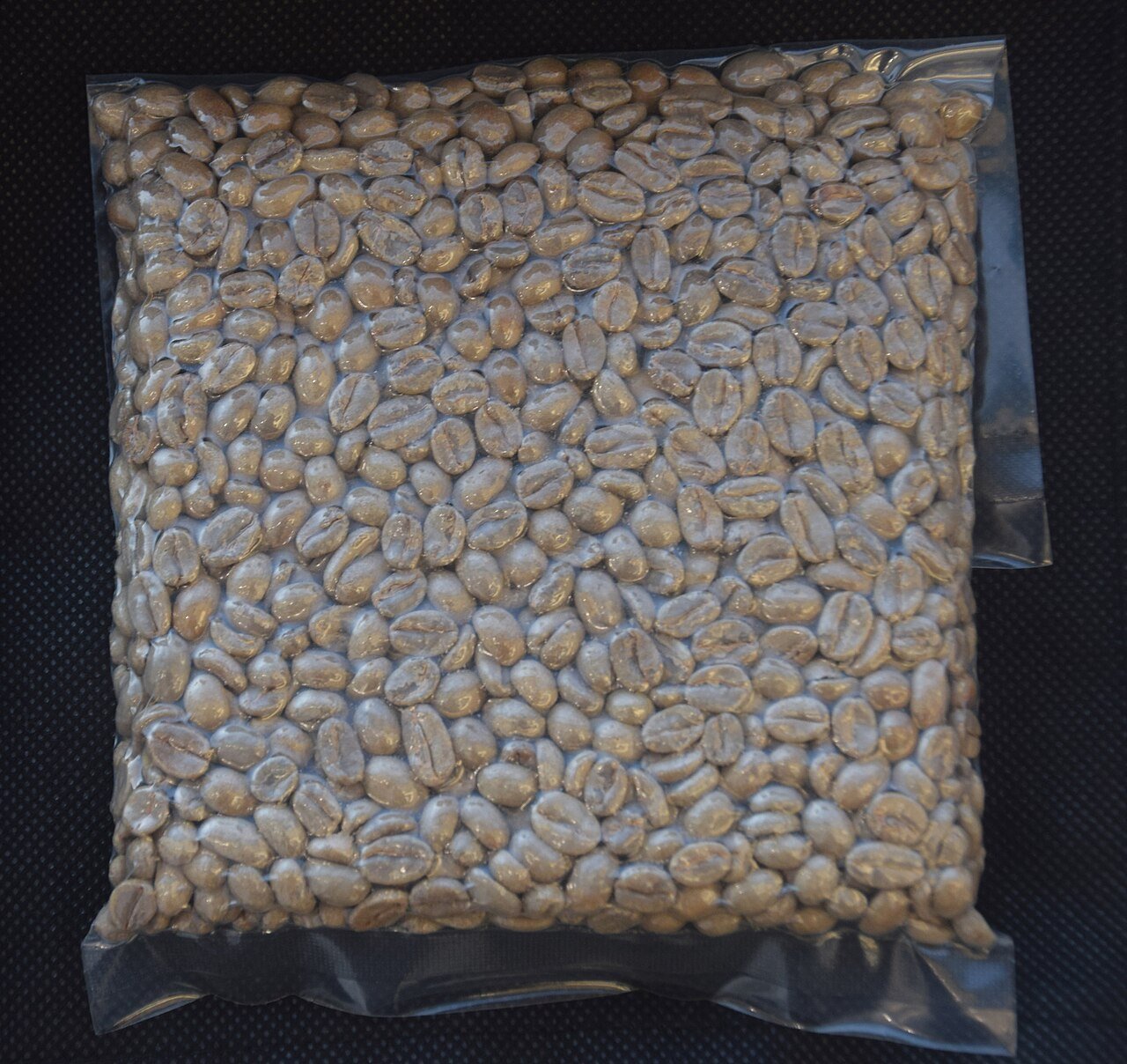
The best Robusta coffee beans for most buyers are clean, well-sorted lots of Coffea canephora with a large, even screen size (16 to 18 or bigger), moisture at or below 12.5%, a low defect count and a cup free of rubbery or earthy faults. Which origin is “best” depends on what you are making. Washed Indian and high-grown Ugandan Robusta are the usual picks for quality espresso blends. Brazilian Conilon gives a smooth, low-acid base. Vietnam supplies the most Robusta in the world at the keenest prices. Indonesian Robusta brings heavy body and chocolate notes, and wider African origins round out the range. We sell all six as green coffee in bulk and ship worldwide.
This guide is for roasters, coffee brands, instant coffee makers and importers who want to buy Robusta with their eyes open. It covers what separates good Robusta from poor Robusta, the specifications worth checking when you shortlist the best Robusta coffee beans, an origin-by-origin comparison of the six Robustas we supply, the right bean for each use, how pricing works and the mistakes we see buyers make. Production figures come from the latest USDA coffee report, and other facts are linked to their sources. Where something is our own opinion from the trade rather than a published fact, we say so.

Quick answer: the best Robusta coffee beans by origin
If you only have a minute, this table is the short version of everything below. It sums up how the six origins we sell tend to perform, based on their typical specifications and how buyers use them.
| Origin | What it does well | Typical cup | Best for |
|---|---|---|---|
| Vietnam | Huge, steady supply; sharp prices | Bold, sweet aroma, mild acidity | Instant coffee, value blends, volume |
| Brazil (Conilon) | Smooth and low in acid | Chocolate, nutty | Espresso base, soluble, milk drinks |
| Uganda | Grown higher than most Robusta | Cocoa, earthy, mild spice | Espresso blends, single-origin Robusta |
| India | Shade-grown, often very clean | Smooth, chocolate, nutty | Premium espresso, crema |
| Indonesia | Heavy body | Chocolate, cedar, low acid | Dark roasts, strong drip, cold brew |
| Wider Africa | Range of origins and styles | Bold, full, high caffeine | Blends, instant, strong coffee |
None of these is the best Robusta coffee beans for every job. A roaster building a sweet espresso blend and a factory making freeze-dried instant are looking for different things, so the rest of this guide explains how to match the bean to the use.
The Robusta we sell at a glance
Every lot below is green, unroasted Coffea canephora, graded and packed for export in 60 kg jute bags. These are the short specs; each product page has the full sheet. If you are shortlisting the best Robusta coffee beans for a blend, this is a quick way to compare them.
- Vietnam Robusta: Central Highlands, natural, Screen 16/18, moisture max 12.5%, density 700 to 720 g/l.
- Brazilian Robusta (Conilon): natural or washed, Screen 16/18 or 18/20, moisture max 12%, defects under 5%.
- Ugandan Robusta: 900 to 1,500 m, natural or washed, Screen 15 to 18, moisture max 12%.
- Indian Robusta: shade-grown, 600 to 1,200 m, Cherry or washed, Screen 17/18 or 18/20, moisture max 12.5%.
- Indonesia Robusta: Sumatra and Java, 600 to 1,400 m, natural or washed, Screen 16/18 or 18/20, moisture max 12%.
- African Robusta: East, West and Central Africa, Screen 16/18 or 18/20, moisture max 12%, caffeine 2.2% to 2.7%.
All six are in stock for export and can be sampled before you order. We ship worldwide, and we are happy to help you pick the best Robusta coffee beans for your product if you tell us what you are making. Prices are quoted on request because they follow the market daily.
What makes Robusta good (and what makes it bad)
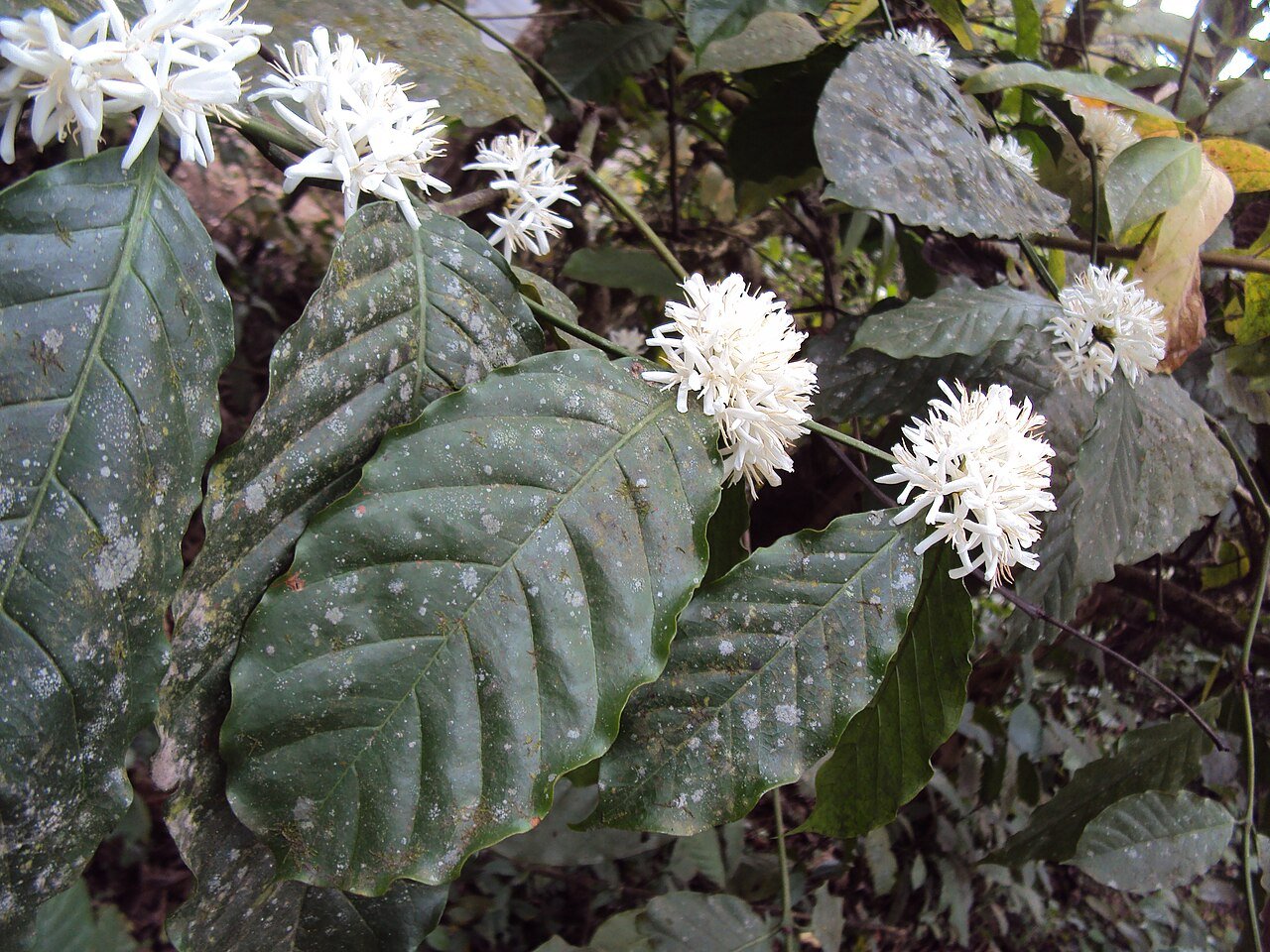
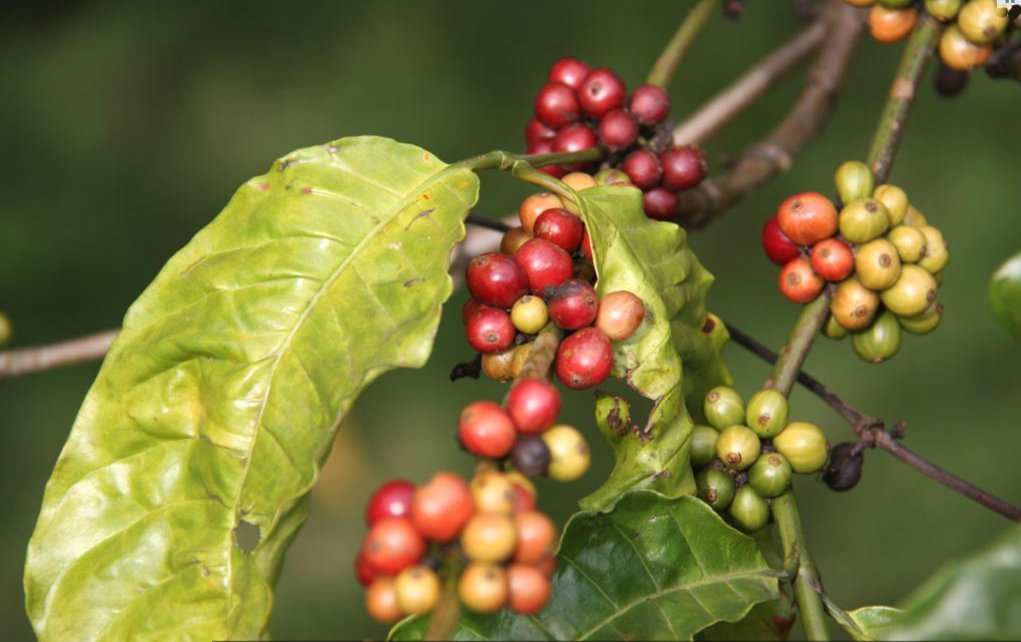
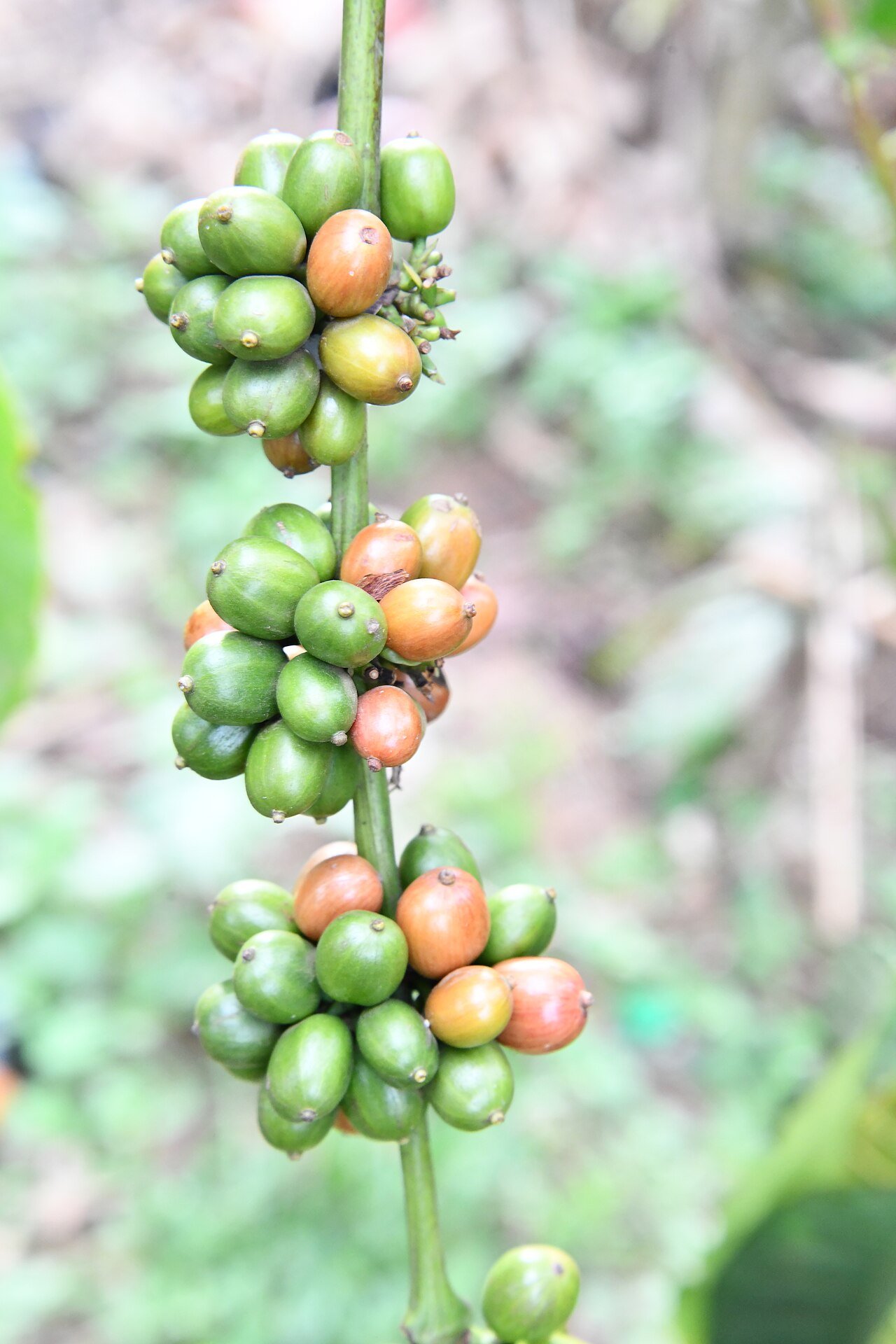
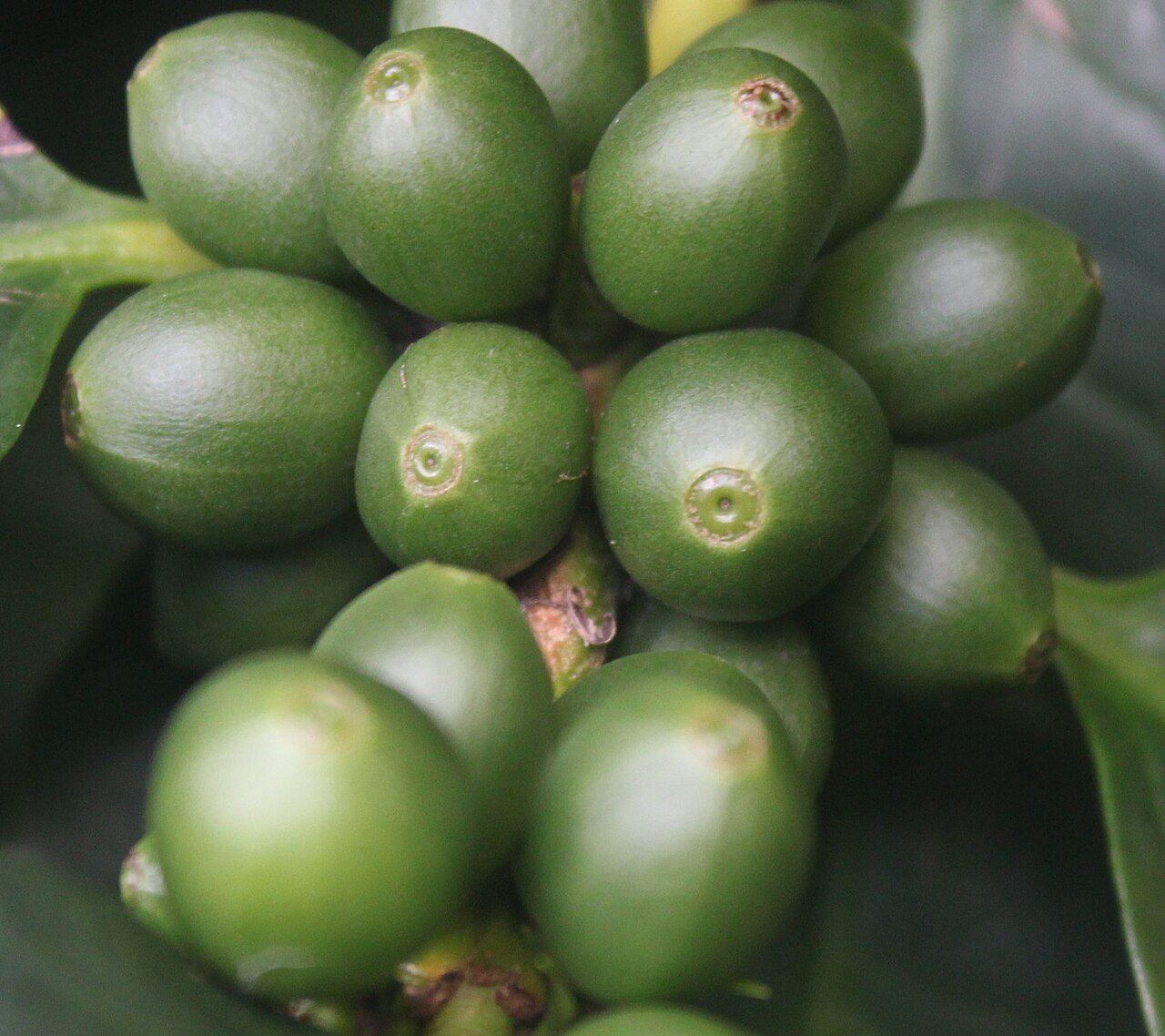
Robusta is the common name for Coffea canephora, the second big coffee species after Arabica. It grows at lower altitudes and higher temperatures than Arabica, resists disease better and gives bigger yields. According to the USDA, world Robusta production for 2026/27 is forecast at 83.8 million 60 kg bags out of a total crop of 189.7 million bags, so roughly 44% of all coffee grown is Robusta. That is a lot of coffee, and the quality range inside it is wide. Only a slice of it would count as the best Robusta coffee beans.
Caffeine, body and bitterness
Robusta carries roughly twice the caffeine of Arabica. A study published in European Food Research and Technology found that Robusta extracts generally contain about twice as much caffeine as Arabica, and a widely used chemistry summary puts the typical range at 2.2 to 2.7% caffeine for Robusta against 1.2 to 1.5% for Arabica. The same summary gives Robusta more chlorogenic acids (7 to 10%), less fat (10.5 to 11%) and less sugar (3 to 7%) than Arabica.
Those numbers explain the cup. More caffeine and chlorogenic acid mean more bitterness and strength. Less sugar means less natural sweetness. That is why poorly grown or poorly processed Robusta tastes harsh, woody or rubbery, while the best Robusta coffee beans taste full, chocolatey and smooth with a long finish. The species sets the frame, but farming, picking, drying and sorting decide where in that frame a lot ends up.
The Fine Robusta standard
For years there was no agreed way to separate good Robusta from commodity Robusta. That changed when the Coffee Quality Institute published its Fine Robusta Standards and Protocols. Researchers writing in Frontiers in Sustainable Food Systems explain that under these protocols, Robusta is scored on a 100-point scale and coffees of 80 points or more are classed as “Fine”, the Robusta equivalent of specialty Arabica. The Coffee Quality Institute trains and licenses the cuppers, called Q Robusta graders, who carry out that scoring.
India gave the program its first success. The Coffee Board of India reports that an estate’s Robusta Kaapi Royale became the first Robusta certified under CQI’s system, with a score of 82.76. You do not need a certified Fine Robusta for every blend, but the standard is a useful yardstick: the closer a lot gets to it, the more it behaves like a quality ingredient rather than filler.

The physical specs that matter
Cup quality is the final test, but the spec sheet alone will rule out most lots that could never be the best Robusta coffee beans. These are the lines we tell buyers to check first:
- Screen size. Measured in 64ths of an inch. Screen 16 to 18 is a solid export grade; 18 and up is a large, premium bean. Even size matters as much as big size, because mixed sizes roast unevenly.
- Moisture. Around 12 to 12.5% maximum. Wetter coffee can go musty or grow mould in transit; over-dried coffee loses flavour and roasts fast.
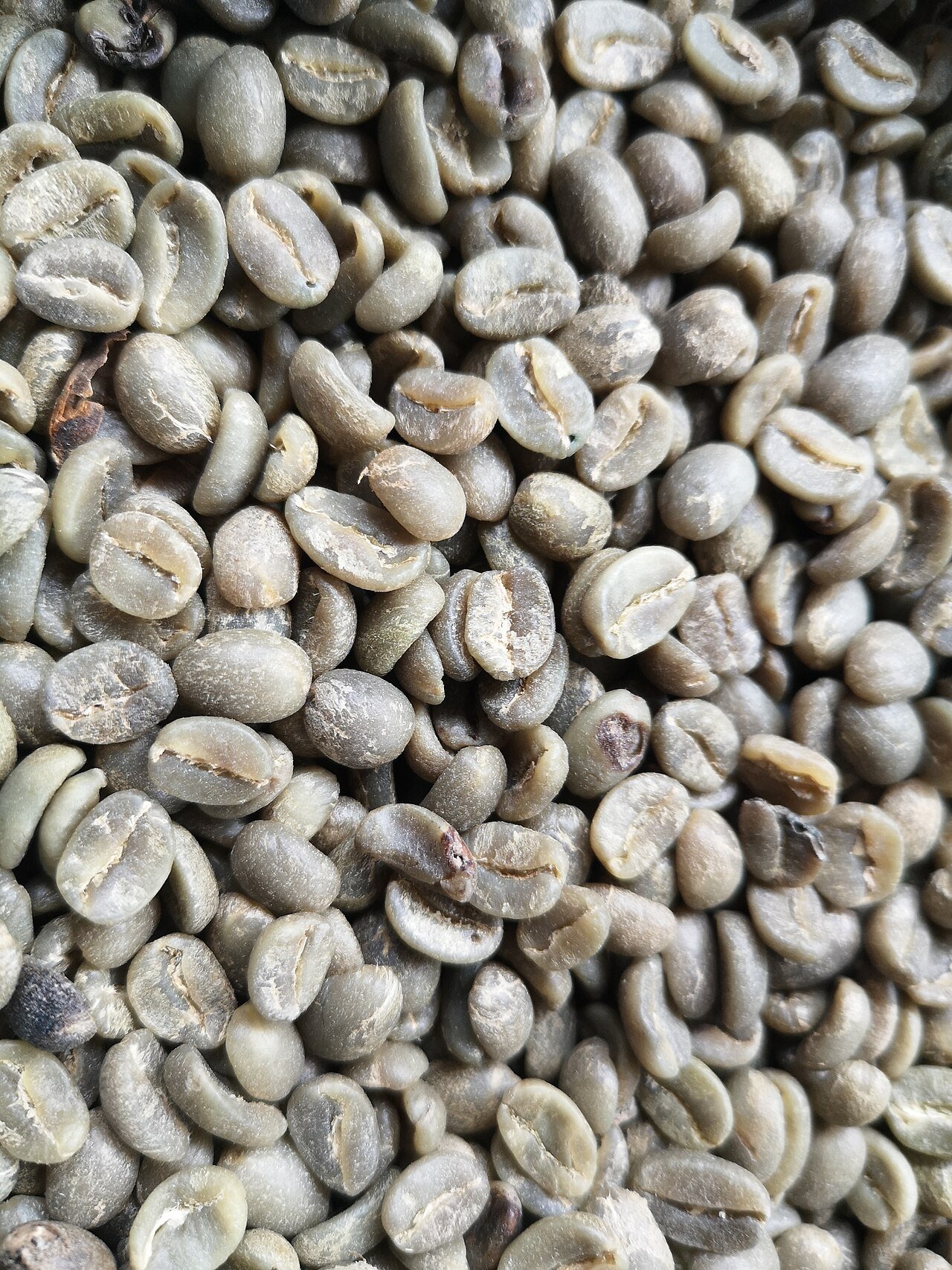
- Defects. Black, broken and foreign matter percentages. Our Vietnam Robusta coffee beans, for example, are sold at 0.1% black, 0.5% broken and 0.1% foreign matter.
- Density. Higher bulk density usually means a harder, better-developed bean. Our Vietnam lots run 700 to 720 g/l.
- Process. Natural (dry), washed or semi-washed. This changes the cup more than most buyers expect.
- Crop year. New-crop coffee tastes fresher. Our coffee harvest season guide explains when each origin’s new crop lands.
If you want a deeper look at how grades work across origins, read our guide to coffee bean grading.
How to judge the best Robusta coffee beans before you buy
A spec sheet and a sample tell you far more than a sales pitch. This is the routine we would follow ourselves when choosing the best Robusta coffee beans for a new blend or a new supplier.
- Decide the job first. Espresso base, instant coffee, dark drip, cold brew or a single-origin Robusta all point to different lots. Write down the role before you look at offers.
- Ask for the full spec sheet. Screen, moisture, defects, density, process and crop year. A supplier who cannot give you these numbers is not selling the best Robusta coffee beans, whatever the bag says.
- Get a pre-shipment sample from the actual lot. Not a generic “type” sample. The lot you approve should be the lot you receive.
- Roast and cup it the way you will use it. Cup it on a standard table, then pull it as espresso or brew it in your own recipe. Our coffee cupping guide walks through the method step by step.
- Check it against what you already use. Side-by-side with your current Robusta tells you quickly whether the new lot is better, worse or simply different.
- Confirm shipment details. Packing, shipping month, Incoterm and the documents you will receive. Our article on importing coffee beans covers the paperwork.
When you cup, the faults to watch for are rubbery, woody, grainy, earthy or medicinal notes. Good Robusta should taste clean, with cocoa, nuts, caramelised sugar or spice and a long finish. The best Robusta coffee beans also hold up as they cool instead of turning flat or harsh.

The six Robusta origins we sell, compared
Below is an honest look at each origin: how much it grows, what its coffee is like, the specifications we sell it at and which buyers it suits. Production figures are USDA forecasts for 2026/27 unless stated otherwise.
1. Vietnam: the volume leader
Vietnam grows more Robusta than any other country. The USDA forecasts its 2026/27 Robusta crop at 31.4 million bags, with total production at a record 32.5 million, helped by more planted area and higher yields as farmers spent more on fertiliser during the recent high-price years. Most of it comes from the Central Highlands, where red basalt soil and a long dry season suit the plant.
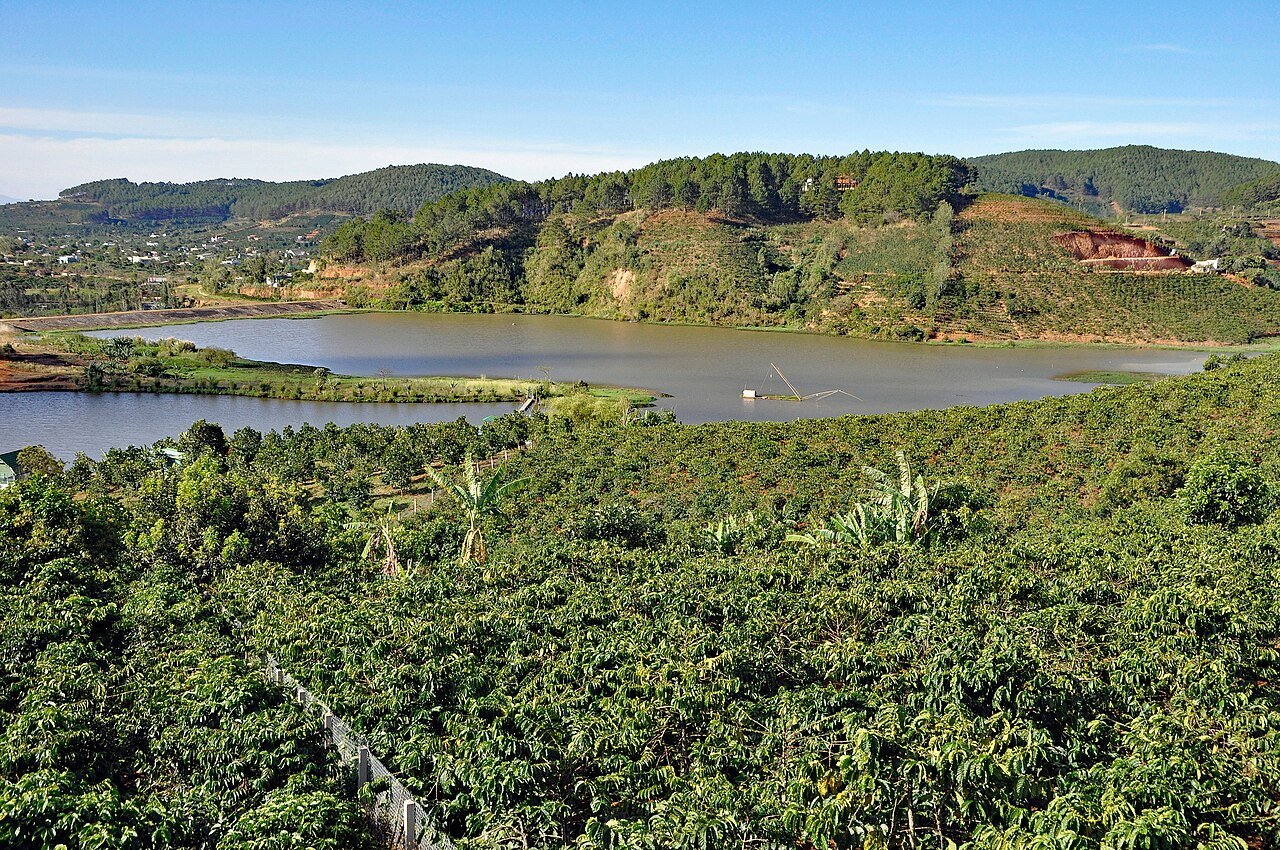
Vietnamese Robusta is mostly dry processed. Well-sorted Screen 16 and 18 lots give a strong, bold cup with a sweet aroma and mild acidity. Its biggest strength is reliability: the supply is so large that buyers can get consistent lots month after month at competitive prices. That makes it the first choice for instant coffee makers and for blends where cost per cup matters.
What we sell: Premium Vietnam Robusta coffee beans, Central Highlands, natural process, Screen 16/18, moisture max 12.5%, black/broken/foreign 0.1%/0.5%/0.1%, density 700 to 720 g/l, 60 kg jute bags.
Best for: instant and soluble coffee, value espresso blends, large regular volumes. If you want the best Robusta coffee beans for price and steady supply, start here.
2. Brazil (Conilon): smooth and low in acid
In Brazil, Robusta is usually called Conilon. The USDA forecasts Brazil’s 2026/27 Robusta crop at 24.4 million bags, down 600,000 from last year’s record, after cooler weather and heavy rain lowered yields in Espirito Santo, where about 70% of Brazil’s Robusta is grown. Even with that dip, Brazil is the world’s second-biggest Robusta producer.

Brazilian Conilon is known for a soft, low-acid cup with chocolate and nut notes. It is less aggressive than many Robustas, which is why roasters use it to add body and crema to espresso without a harsh edge. Brazil also uses a lot of its own Conilon for soluble coffee: the USDA expects Brazil to export 4.0 million bags (green bean equivalent) of soluble coffee in 2026/27, more than any other country.
What we sell: Brazilian Robusta coffee beans, Conilon, natural process (washed on request), Screen 16/18 or 18/20, moisture max 12%, defects under 5%, 60 kg jute bags.
Best for: espresso blends, milk-based drinks, smooth dark roasts and soluble coffee. Many of our customers find Conilon the easiest of the best Robusta coffee beans to blend with Brazilian or Central American Arabica.
3. Uganda: Robusta grown high
Robusta grows wild in Uganda’s forests, and the country is one of Africa’s largest coffee exporters. The USDA forecasts Uganda’s Robusta output at 6.0 million bags in 2026/27, within a record total crop of 7.16 million bags, and coffee bean exports of 6.83 million bags.

What sets Ugandan Robusta apart is altitude. A lot of it is grown at around 900 to 1,500 metres, higher than most Robusta in the world, and the slower ripening shows in the cup: more sweetness, cocoa and mild spice, with fewer of the rough notes cheap Robusta is known for. Ugandan lots are often among the best Robusta coffee beans for roasters who want Robusta to add flavour as well as strength.
What we sell: Ugandan Robusta coffee beans, 900 to 1,500 m, natural process (washed on request), Screen 15 to 18, moisture max 12%, 60 kg jute bags.
Best for: quality espresso blends and anyone curious about single-origin Robusta.
4. India: shade-grown and clean
India grows coffee in the hills of the south, almost all of it under shade trees and often alongside pepper and cardamom. The USDA forecasts India’s 2026/27 Robusta crop at 4.58 million bags, out of a total of 6.14 million. India is also a big soluble exporter, at a forecast 2.53 million bags.

Indian Robusta has a strong name among espresso roasters looking for the best Robusta coffee beans. It comes as washed “Parchment” grades and natural “Cherry” grades, and the premium Robusta Kaapi Royale grade is the one that earned the first Fine Robusta certificate mentioned above. A good Indian Robusta is smooth and clean, with chocolate and nut notes and a thick crema. If someone asks us for the best Robusta coffee beans for a premium espresso, Indian washed Robusta is usually on the shortlist.
What we sell: Indian Robusta coffee beans, South India, shade-grown, 600 to 1,200 m, natural (Cherry) or washed on request, Screen 17/18 or 18/20, moisture max 12.5%, 60 kg jute bags, sold per ton.
Best for: premium espresso, crema, clean dark roasts.
5. Indonesia: heavy body and chocolate
Indonesia is a big Robusta grower, but this season it is having a harder time. The USDA expects its 2026/27 Robusta output to fall by 1.0 million bags to 10.0 million, because heavy rain disrupted flowering and cherry formation in the lowlands of southern Sumatra and Java, where about 75% of it grows. Bean exports are forecast to drop to 7.0 million bags. In practice that means Indonesian lots may be tighter and firmer in price than usual this year, so it pays to contract early.
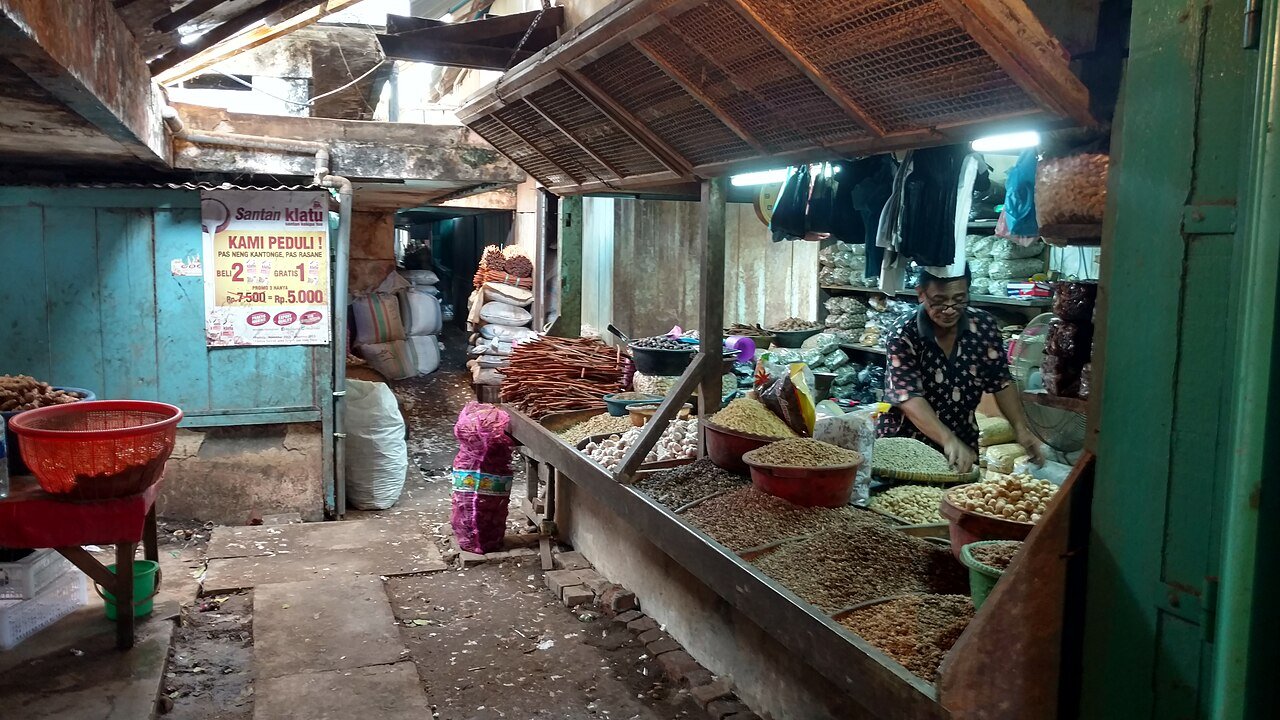
Indonesian Robusta is heavy, earthy and strong, with chocolate and cedar notes and low acidity. It holds up well under dark roasting, so roasters use it for strong drip coffee, traditional dark espresso and cold brew, where body matters more than brightness.
What we sell: Indonesia Robusta coffee beans, Sumatra and Java, 600 to 1,400 m, natural process (washed on request), Screen 16/18 or 18/20, moisture max 12%, 60 kg jute bags.
Best for: dark roasts, cold brew and blends that need weight. For buyers who want the best Robusta coffee beans for body, Indonesia is hard to beat.
6. Wider Africa: range and strength
Robusta is native to Africa. Researchers trace commercial Robusta growing back to plants introduced from the Lomami River region of what is now DR Congo around 1900. Today it is grown across East, West and Central Africa. Besides Uganda, the USDA lists Cote d’Ivoire at 1.3 million bags and Tanzania at 750,000 bags of Robusta for 2026/27.

African Robusta is usually bold and full, with high caffeine. We sell it as a separate line so buyers can source from several countries under one contract, which helps when one origin has a short crop.
What we sell: African Robusta coffee beans, East, West and Central Africa, natural or washed, Screen 16/18 or 18/20, moisture max 12%, defects under 5%, caffeine 2.2% to 2.7%, 60 kg jute bags.
Best for: blends, instant coffee and strong coffee where you want a reliable African component.
Side-by-side comparison table
This table puts the hard numbers for the best Robusta coffee beans we sell in one place. Production is the USDA 2026/27 Robusta forecast. Specs are the ones we sell at.
| Origin | Robusta crop 2026/27 (million bags) | Process | Screen | Moisture | Cup |
|---|---|---|---|---|---|
| Vietnam | 31.4 | Natural | 16/18 | max 12.5% | Bold, sweet aroma, mild acidity |
| Brazil | 24.4 | Natural, washed on request | 16/18, 18/20 | max 12% | Smooth, chocolate, nutty |
| Indonesia | 10.0 | Natural, washed on request | 16/18, 18/20 | max 12% | Heavy, chocolate, cedar |
| Uganda | 6.0 | Natural, washed on request | 15 to 18 | max 12% | Cocoa, earthy, mild spice |
| India | 4.58 | Natural or washed | 17/18, 18/20 | max 12.5% | Smooth, chocolate, nutty |
| Wider Africa | Several origins | Natural or washed | 16/18, 18/20 | max 12% | Bold, full |

The best Robusta coffee beans for each use
Here is how we would match origin to product. Treat this as a starting point for your own sampling, not a rule.
For espresso blends
Robusta has long been used in espresso. The Frontiers researchers note that Robusta is used to produce espresso, instant coffee and coffee blends, and in the trade it is valued for adding body, strength and crema. For a sweet, modern espresso we would look at washed Indian, Ugandan or Brazilian Conilon first. These tend to be the best Robusta coffee beans for espresso because they add weight without dragging the cup into bitterness.

For instant and soluble coffee
Soluble coffee is mostly made from Robusta, because it gives a high extraction yield and plenty of strength at a lower cost. The USDA’s top soluble exporters for 2026/27 are Brazil, Vietnam and India, each a major Robusta grower. Vietnamese and Brazilian lots are the usual choice and the best Robusta coffee beans for this job, and for this use consistency and price count more than nuance. Read more about how instant coffee is made.
For dark roasts and strong drip coffee
For dark roasts, the best Robusta coffee beans are usually Indonesian and wider African lots, which hold their structure at dark roast levels and give a heavy, bittersweet cup. Our guide to roasting green coffee beans explains how to handle the denser beans in a drum roaster.

For cold brew
Cold brew mutes acidity and pulls out body and chocolate, which plays to Robusta’s strengths. In our experience Indonesian and Brazilian lots are the best Robusta coffee beans for cold brew, alone or blended with a natural Arabica. Many cold brew brands find a small share of Robusta also lifts the caffeine per serving, which some customers want.
For a single-origin Robusta
If you want to put a Robusta on the menu by itself, choose a high-grown Ugandan or a top Indian grade and roast it lighter than you would for a blend. This is where the best Robusta coffee beans really show what the species can do.
Washed or natural Robusta?
Processing changes Robusta more than many buyers expect. Our article on coffee processing methods covers the details, but here is the short version.
- Natural (dry) Robusta is dried in the whole cherry. It is the most common style in Vietnam, Brazil, Uganda and Indonesia. It gives heavy body and sweetness but can carry earthy or fermented notes if drying is poor.
- Washed Robusta has the fruit removed before drying. It costs more to produce but usually tastes cleaner and brighter, which is why washed Indian Robusta is so well regarded.
For blends, a good natural is often enough. For a premium espresso or a single origin, a washed lot is frequently the better buy, even at a higher price, and washed lots often rank among the best Robusta coffee beans on offer.

For full espresso blend recipes using both Arabica and Robusta, see our guide to coffee beans for espresso.
How much Robusta should go in a blend?
There is no official ratio, so what follows is our own guidance from working with roasters. Traditional Italian espresso blends often run 10% to 30% Robusta, and some southern Italian blends go higher. Modern specialty espresso, if it uses Robusta at all, tends to stay at 10% to 20% of a fine Robusta. Instant coffee and value blends can be mostly or entirely Robusta.
A sensible way to start: build your Arabica base, then add the best Robusta coffee beans you can source in 5% steps and cup each version. Stop when body and crema are where you want them, before bitterness takes over. Our Arabica vs Robusta guide goes deeper into how the two species behave together. If you need an Arabica base, see our African Arabica coffee beans and our single-origin Africa Arabica coffee beans.
Fine Robusta vs commercial Robusta
It helps to see the two tiers next to each other. The table below is our own summary of how the best Robusta coffee beans differ from ordinary commercial lots in practice.
| Fine or premium Robusta | Commercial Robusta | |
|---|---|---|
| Cup score | 80 points and up on the Fine Robusta scale | Usually below 80, often unscored |
| Picking | Mostly ripe cherries, often selective picking | Strip-picked, mixed ripeness |
| Drying | Controlled, on patios, beds or dryers | Variable, sometimes on bare ground |
| Sorting | Screen, density and colour sorted | Basic screening |
| Typical cup | Cocoa, nuts, caramel, spice, long finish | Woody, grainy, rubbery, harsh |
| Price | Premium over futures | Near or below futures |
Most of the Robusta traded each year sits in the commercial tier, not among the best Robusta coffee beans, which is why it pays to ask detailed questions. The gap in cup quality between the two columns is much bigger than the gap in price.
Questions to ask any Robusta supplier
Before you commit to a contract, put these questions to the supplier. Clear, specific answers are a good sign that you are dealing with someone who sells the best Robusta coffee beans rather than whatever is cheapest that week.
- Which country and region is this lot from, and what is the crop year?
- What is the screen size, and what percentage is retained on that screen?
- What are the moisture, defect and density figures, and who measured them?
- Is it natural or washed, and how was it dried?
- Has it been cupped, and what was the score or the cup description?
- Can I have a pre-shipment sample from this exact lot?
- What packing, shipping month and Incoterm are you offering?
- Which export documents come with the shipment?
We answer all of these on every offer as a matter of course. If another supplier hesitates, take that as information.

Roasting tips for Robusta
Robusta beans are generally denser and lower in sugar than Arabica, so they behave a little differently in the roaster. A few habits help, though every roaster and machine is different, so treat these as starting points:
- Give it enough heat early. Dense Robusta can stall if the charge temperature is too low.
- Do not rush development. Underdeveloped Robusta tastes grassy and harsh; a slightly longer development time rounds it out.
- Roast it separately for blends. Pre-roasting Robusta and Arabica separately, then blending, lets you take each to its ideal point.
- Rest it. Robusta espresso usually improves after several days of rest as gas leaves the beans.
Even the best Robusta coffee beans can be spoiled by a rushed roast, so log every batch and adjust in small steps. Our full guide to roasting green coffee beans covers profiles in more depth.
Why Robusta supply looks steady
One practical reason buyers are giving Robusta, and especially the best Robusta coffee beans, a second look is security of supply. Robusta tolerates heat and disease better than Arabica and grows across a wide band of lowland tropics. This year’s USDA figures show world production at a record, with Vietnam and Uganda both setting records and only Brazil and Indonesia dipping. Spreading your purchases across two or three origins, for example Vietnam plus Brazil plus Uganda, is a simple way to protect your blend if one country has a bad season. That is our view rather than a forecast, but it is how many of our larger customers buy the best Robusta coffee beans year after year.
What the best Robusta coffee beans cost, and why
Robusta is priced off a futures market. The global benchmark is the ICE Robusta Coffee futures contract, traded in London, which is quoted in US dollars per metric tonne, in lots of ten tonnes, with Class 1 Robusta deliverable at the contract price and other qualities at set premiums and discounts. Physical coffee is then bought at a differential to that futures price, plus or minus, depending on origin, grade, process and how tight supply is.
That structure explains why the best Robusta coffee beans cost more than average lots. A washed Indian Screen 18 or a high-grown Ugandan trades at a premium over a standard natural Screen 16, because it is scarcer and more useful to quality roasters. Freight, insurance and the Incoterm (FOB, CFR or CIF) are added on top, whether you buy commercial grades or the best Robusta coffee beans.
Market direction matters too. The USDA reports that coffee prices dropped 25% over seven months as measured by the ICO composite price index, as bigger crops arrived. At the same time, Indonesia’s smaller Robusta crop could firm prices for that origin. If you want to follow prices yourself, the ICO’s monthly Coffee Market Report and the World Bank commodity price data are both free.
We don’t publish a fixed price on this page, because a price for green coffee goes stale within days. Send us your volume, grade and destination and we will quote the best Robusta coffee beans for your budget, with the differential and freight spelled out.

For current market levels and how quotes are built, see our guide to green coffee prices.
Looking for coffees with a clear origin story? Our guide to single origin coffee beans explains what single origin means, how traceability works and how to build a menu that sells.
Not sure who to buy from? Our guide to choosing a green coffee supplier covers specs, samples, contracts, Incoterms and red flags.
For a full buyer’s guide to origins, varieties, grades and prices, see our guide to Arabica coffee beans.
Common mistakes when buying Robusta
These are the problems we see most often. Avoid them and you are most of the way to buying the best Robusta coffee beans for your money.
- Buying on price alone. The cheapest lot often costs more in the end, through defects, lost weight in roasting and unhappy customers.
- Skipping the pre-shipment sample. Always approve the actual lot, not a type sample.
- Ignoring moisture. Coffee shipped above 12.5% moisture can turn musty in a hot container.
- Mixing screen sizes. Uneven beans roast unevenly; ask for a single, consistent screen.
- Cupping Robusta like Arabica. Judge it against other Robustas and in the drink you will actually sell.
- Poor storage on arrival. Even the best Robusta coffee beans fade in a hot, humid warehouse. Our guide to storing green coffee beans explains the conditions to aim for.

How to buy the best Robusta coffee beans from us
We supply green Robusta to roasters, coffee brands, instant coffee producers, importers and wholesalers worldwide. Ordering works like this:
- Tell us what you need. Origin or use, grade, volume, packing and destination port. If you are not sure which origin fits, describe the product and we will suggest two or three of the best Robusta coffee beans to sample.
- Receive specs and a quote. We send the spec sheet for each lot and a price with the Incoterm stated.
- Sample and approve. We send pre-shipment samples so you can cup the actual coffee.
- Contract and ship. Once you approve, we confirm the contract, pack in 60 kg jute bags and ship with the export documents.
- Track your order. You can follow your shipment on our order tracking page.
You can browse every lot on our Robusta coffee beans page, see the full range on our products page, or contact us for a quote. If you buy larger volumes, our guide to wholesale green coffee beans covers minimum orders and contract terms, and you can read more about us before you get in touch. Our terms and conditions set out how orders and payments work.

Frequently asked questions
Which country has the best Robusta coffee beans?
There is no single winner. India and Uganda are often named for quality, Brazil for smoothness, Vietnam for volume and price, and Indonesia for body. The best Robusta coffee beans for you depend on whether you are making espresso, instant coffee, dark roast or cold brew.
Are the best Robusta coffee beans as good as Arabica?
They are different rather than worse. A Fine Robusta scoring 80 points or more can be a clean, enjoyable coffee, and in espresso blends good Robusta adds body and crema that Arabica alone does not give.
What screen size should I look for?
Screen 16 to 18 is a solid export grade. Screen 18 and above is a large, premium bean. Consistent size matters as much as large size.
How much caffeine is in Robusta?
Typically 2.2% to 2.7% of the bean by weight, roughly double Arabica.
Is washed Robusta better than natural?
Washed Robusta usually tastes cleaner and brighter and often scores higher, while a good natural gives more body and sweetness. For premium espresso, many roasters prefer washed lots of the best Robusta coffee beans.
Which Robusta is best for espresso?
Washed Indian, high-grown Ugandan and Brazilian Conilon are the usual choices for a smooth, rich espresso with good crema.
Which Robusta is best for instant coffee?
Vietnamese and Brazilian Robusta, because supply is large, prices are competitive and both are widely used by soluble producers.
Can I order a sample before buying?
Yes. We send pre-shipment samples so you can test the best Robusta coffee beans in your own roaster before you commit to a full order.
Where can I buy the best Robusta coffee beans in bulk?
From an exporter or importer that publishes full specs and sends pre-shipment samples. We sell the best Robusta coffee beans from six origins in 60 kg bags, from a single container upward, and ship worldwide.
How should I store the best Robusta coffee beans?
Keep them cool, dry and out of direct sun, as a rule of thumb below about 25°C and 60% relative humidity, off the floor on pallets and away from strong smells. Stored this way, the best Robusta coffee beans keep their quality for many months.
Do you ship worldwide?
Yes. We ship green Robusta to buyers in Europe, North America, the Middle East, Asia, Africa and Oceania.
Key takeaways
- The best Robusta coffee beans are clean, even-sized, properly dried lots with a low defect count and a fault-free cup.
- Robusta is about 44% of world coffee output; Vietnam, Brazil, Indonesia, Uganda and India are the biggest growers.
- Match the origin to the use: India, Uganda and Brazil for espresso; Vietnam and Brazil for instant; Indonesia for body and dark roasts.
- Use the Fine Robusta standard (80+ points) as a quality yardstick.
- Always sample the actual lot and check screen, moisture and defects before you buy.
- Spread purchases across two or three origins to keep a steady supply of the best Robusta coffee beans.
Sources and References
- USDA Foreign Agricultural Service: Coffee: World Markets and Trade (July 2026)
- Frontiers in Sustainable Food Systems: Sensory profiles of Robusta coffee genetic resources (2024)
- European Food Research and Technology: Chlorogenic acids and caffeine in Arabica and Robusta green coffee (2016)
- Compound Interest: Coffee chemistry, Arabica vs Robusta
- Coffee Board of India: First Robusta certified by the Coffee Quality Institute
- Coffee Quality Institute
- ICE: Robusta Coffee Futures contract specifications
- International Coffee Organization: Coffee Market Report
- World Bank: Commodity Markets
Photo credits: Ksd5 (CC0); P. Hughes (CC BY 4.0); Denis Rizzoli (CC BY-SA 3.0); Jameswasswa (CC BY-SA 4.0); Vinayaraj (CC BY-SA 3.0); Deerpeter (CC BY-SA 4.0); Downtowngal (public domain); Jeevan Jose (CC BY-SA 4.0); Lasthib (CC BY-SA 4.0); all via Wikimedia Commons.

Pingback: Vietnamese Coffee Beans: Proven 2026 Guide to Buying Robusta - Continental Coffee Supply
Pingback: Ethiopian Green Coffee Beans: 2026 Buyer's Guide to Proven Lots - Continental Coffee Supply
Pingback: Coffee Beans for Cold Brew: 8 Proven Picks for Smooth Flavor - Continental Coffee Supply