
Ask ten coffee people about Arabica vs Robusta and you will get ten opinions, some of them loud. Arabica gets called the “good” coffee and Robusta the “cheap” one. That is too simple. Both species have their place, and if you buy coffee for a business, knowing exactly what each one does will save you money and help you make better coffee.
We sell both, in bulk, to roasters and coffee businesses around the world. So we have no reason to push one over the other. This guide sets out the real differences in the Arabica vs Robusta debate: where they grow, how they taste, how much caffeine they carry, what they cost, and how to use each one. It finishes with practical blending advice and a few myths worth dropping.
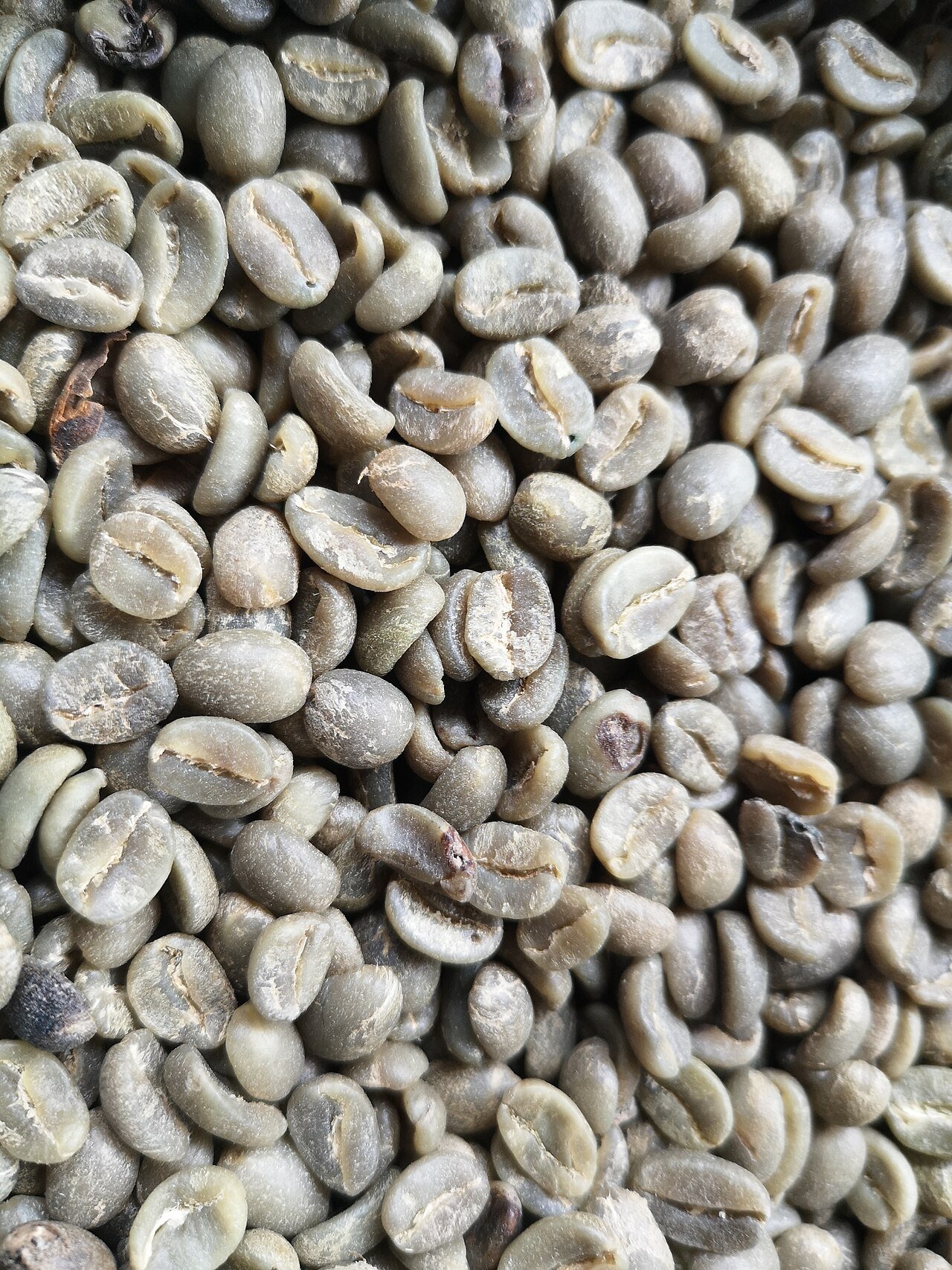
Arabica vs Robusta at a glance
If you only have a minute, this table covers the main points. The rest of the article explains each one.
| Arabica | Robusta | |
|---|---|---|
| Plant | Coffea arabica | Coffea canephora |
| Share of world output | roughly 55% to 60% | roughly 40% to 45% |
| Altitude | usually 1,000 to 2,200 m | sea level to about 1,500 m |
| Caffeine | about 1.2% to 1.5% | about 2.2% to 2.7% |
| Taste | sweet, fruity, floral, bright | strong, earthy, bitter, nutty |
| Acidity | medium to high | low |
| Body | light to medium | heavy |
| Crema | thinner | thick and lasting |
| Bean shape | oval, curved centre line | rounder, straighter centre line |
| Disease resistance | low | high |
| Price | higher | lower |
Arabica vs Robusta: two different plants
The first thing to know about Arabica vs Robusta is that they are not two “types” of the same plant. They are two different species. Arabica is Coffea arabica, which first grew in the highland forests of Ethiopia. Robusta is Coffea canephora, which grows wild across the lowland forests of west and central Africa.
Arabica is a fussy plant. It likes altitude, cool nights, steady rain and mild temperatures, roughly 15 to 24 °C. It catches diseases such as leaf rust easily and does not cope well with heat. Robusta is much tougher. It grows at lower altitudes, handles heat and humidity better, resists many pests and diseases, and gives more fruit per tree. The name says it all.
Arabica is also self-pollinating, which means plants stay fairly true to type from one generation to the next. Robusta needs cross-pollination, so there is more natural variation between trees. That is one reason Arabica has so many named varieties, such as Typica, Bourbon, SL28 and Geisha, while Robusta is usually sold by origin and grade.
A short history of Arabica vs Robusta
For most of coffee’s history there was only Arabica. It spread from Ethiopia to Yemen, then to India, Java and eventually Latin America. Robusta came into the picture much later, near the end of the 1800s, when botanists described it from plants growing in central Africa.
What pushed Robusta into the big time was disease. In the second half of the 1800s, coffee leaf rust tore through the Arabica plantations of Asia, wiping out much of the coffee in Ceylon (now Sri Lanka) and hurting Java badly. Planters needed a tougher tree, and Robusta fitted the bill. It was planted widely across Asia and Africa in the early 1900s, and later in Brazil. The Arabica vs Robusta split we know today really dates from that time.
After the Second World War, the rise of instant coffee gave Robusta another big boost, and Vietnam’s huge expansion from the 1990s made it the world’s largest Robusta grower by far.
Where each one grows
Arabica dominates in Latin America and East Africa: Brazil, Colombia, Central America, Ethiopia, Kenya and others. Robusta is the main crop in Vietnam, Indonesia, Uganda, Brazil (where it is called Conilon), India and much of west and central Africa. Brazil grows a lot of both.
So the Arabica vs Robusta choice is partly a choice of origin. If you want a bright, fruity East African coffee, you are buying Arabica, like our African Arabica coffee beans. If you want a heavy, chocolatey Asian coffee for espresso, you are probably buying Robusta, like our Indian Robusta or Vietnam Robusta.
Arabica vs Robusta: how they taste
This is where Arabica vs Robusta matters most to your customers.
Arabica is sweeter and more complex. Depending on origin and processing, it can taste of berries, citrus, stone fruit, flowers, caramel, chocolate or nuts. It has noticeable acidity, which people describe as bright or juicy, and a lighter body. Good Arabica can be drunk black and enjoyed for its own flavour, which is why almost all specialty coffee is Arabica.
Robusta is stronger and more bitter, with low acidity and a heavy body. Typical flavours are dark chocolate, roasted nuts, wood, tobacco and earth. Poor Robusta can taste rubbery or harsh. Good Robusta, carefully picked and processed, is much cleaner and can be pleasant on its own, especially with milk and sugar.
The difference comes partly from chemistry. Arabica beans contain more natural sugars and more oils. Robusta contains more caffeine and more chlorogenic acids, which add bitterness. When you roast them, those differences carry straight into the cup.

Caffeine: the big gap
On caffeine, the Arabica vs Robusta gap is huge. Robusta carries about 2.2% to 2.7% caffeine by weight, roughly double Arabica’s 1.2% to 1.5%. Caffeine is bitter, and it also helps protect the plant from insects, which is one reason Robusta is tougher in the field.
For a business, this matters in two ways. First, if your customers want a strong kick, a Robusta-heavy blend delivers it. Second, if you sell to people who want less caffeine, a 100% Arabica coffee is the gentler choice. Some brands market their Robusta blends as “extra strong” for exactly this reason.
Crema and espresso
Anyone who makes espresso will notice the Arabica vs Robusta difference in the crema, the golden foam on top of the shot. Robusta makes a thicker, darker, longer-lasting crema. Arabica makes a thinner, lighter one that fades faster.
That is the main reason so many Italian espresso blends contain Robusta, often 10% to 30% and sometimes more in southern Italy. It adds crema, body and punch, and it helps the coffee cut through milk in a cappuccino. A 100% Arabica espresso can be wonderful, but it tends to be brighter and lighter, which not every customer wants.
Arabica vs Robusta: price and the market
Robusta is cheaper than Arabica, usually by a wide margin. The two even trade on different markets: Arabica futures in New York, Robusta futures in London. The gap between them moves over time. In some years Robusta has been less than half the price of Arabica. In tight years, when Robusta harvests disappoint, the gap narrows a lot. The International Coffee Organization tracks both if you want to follow the numbers.
Why the difference? Robusta trees give more fruit, grow at lower altitudes where farming is easier and often more mechanised, and suffer less from disease. All of that keeps costs down. Arabica takes more care, grows on steep slopes that are hard to farm, and loses more of its crop to weather and disease.
For a buyer, the Arabica vs Robusta price gap is a tool. Adding a share of Robusta to a blend lowers your cost per kilo. Done well, it also improves body and crema. Done badly, with low-grade Robusta, it makes the coffee taste cheap. The trick is to buy good Robusta, not just cheap Robusta.
The two species are often harvested at different times. Our guide to the coffee harvest season has a country-by-country calendar.
For current market levels and how quotes are built, see our guide to green coffee prices.
Farming and climate
The Arabica vs Robusta story is changing because of the weather. As temperatures rise, some lower Arabica areas are becoming too hot. Farmers in places like Brazil, Uganda and parts of Asia are planting more Robusta, and some are working hard on quality, with careful picking, better drying and even washed and honey-processed Robusta. Fine Robusta, sold on taste rather than price, is a small but growing market.
That means the old idea that Robusta is always low quality is out of date. Good lots from places like India, Uganda and Brazil’s Amazon region can surprise people who have only tasted the cheap stuff.
Processing differences
Both species can be processed the same ways, but in practice there are patterns. Most Arabica is washed, where the fruit is removed before drying, which gives a clean, clear cup. Plenty of Arabica is also processed natural, dried inside the cherry, for a fruitier taste. Most Robusta is natural, dried in the sun as whole cherry, then hulled. Washed Robusta exists, especially in India where it is sold as Robusta Parchment, and it is noticeably cleaner.
When you compare Arabica vs Robusta samples, compare like with like where you can. A washed Robusta next to a natural Arabica tells you a different story from two naturals side by side.

For a full breakdown of washed, natural, honey and wet-hulled coffee, including Robusta, see our guide to coffee processing methods.
Telling them apart in green form
You can often spot the difference before roasting. Arabica beans are usually larger, more oval and flatter, with a curved, S-shaped crease down the middle. Robusta beans are smaller, rounder and more uniform, with a straighter crease. Robusta also tends to be a little more brown or grey-green, while washed Arabica is often blue-green. It is not foolproof, but with a bit of practice you can usually sort an Arabica vs Robusta sample by eye.
Roasting Arabica vs Robusta
They behave differently in the roaster. Robusta is denser and has less sugar, so it browns differently and can taste harsh if under-roasted. Most roasters take Robusta to medium-dark or dark. Arabica shows off its fruit and sweetness at lighter roasts and can lose its character if pushed too dark.
If you blend, you have two choices. Pre-blend, where you roast both together, is simpler but can leave one species under or over-developed. Post-blend, where you roast each separately and mix afterwards, gives you more control. Many roasters start with pre-blending and switch to post-blending as they grow. Either way, small test batches are the best teacher. Our full guide to roasting green coffee beans goes into profiles for each species. Our guide to coffee bean grading also explains why even bean size matters so much when roasting.
A simple starter plan for new roasters
If you are just starting out and the whole Arabica vs Robusta thing feels like a lot, here is a plan that works for many small roasters.
- Pick one sweet Arabica that tastes good as both filter and espresso. A washed East African or a Typica is a safe bet.
- Pick one clean Robusta with low defects. Indian or Brazilian Robusta are forgiving and smooth.
- Roast each on its own for a few weeks until you know how they behave.
- Build a house blend starting at 80% Arabica and 20% Robusta. Taste it as espresso and in a milk drink.
- Adjust in 5% steps. More Robusta for strength and crema, more Arabica for sweetness.
With just two coffees you can sell a single origin, a house espresso and a strong blend. That covers most of what a small café or online shop needs, and it keeps your green coffee stock simple.
Cost per cup: the numbers behind Arabica vs Robusta
Here is a rough way to think about cost. Roasting loses about 15% to 20% of the weight, so 1 kg of green coffee gives you roughly 800 to 850 g of roasted coffee. A single espresso uses about 7 to 9 g, so that is somewhere around 90 to 120 shots per kilo of green coffee.
Now look at the price gap. Even if Arabica costs a good deal more per kilo than Robusta, the difference per cup is often only a few cents. That is why many cafés happily pay for better Arabica: the customer notices the taste, but the extra cost per drink is small. For high-volume food service or instant coffee, though, those cents add up fast, and Robusta makes a real difference to the bottom line. Do the maths for your own business before you settle the Arabica vs Robusta question on price alone.
Arabica vs Robusta: which is better for your business?
There is no single winner. It depends what you sell.
- Specialty café or single-origin roaster: mostly Arabica. Your customers pay for flavour, origin and story. A good choice to start is one of our single-origin Africa Arabica lots or our African Arabica.
- Italian-style espresso bar: an Arabica base with 10% to 30% good Robusta for crema and body.
- Food service and offices: a blend with a larger Robusta share keeps cost down and holds up in milk and machines.
- Instant coffee: mostly Robusta, for yield, strength and price.
- Vietnamese-style or strong traditional coffee: Robusta, often 100%.
So the Arabica vs Robusta question is really “what does my customer want, and what can I charge?” Start there and the choice gets much easier.
Blending: getting the best of both
Most of the world’s coffee is a blend of both, and blending is where the Arabica vs Robusta debate turns into something useful. Some starting ratios we see roasters use:
- 80% Arabica / 20% Robusta: smooth espresso with extra crema, still sweet. Try Brazilian Robusta here, because it is mild.
- 70% / 30%: classic Italian bar espresso, strong and creamy. Indian Robusta works well.
- 50% / 50%: strong, dark, good value. Good with Ugandan Robusta or African Robusta.
- Mostly Robusta: instant, Vietnamese-style or very strong blends. Vietnam Robusta and Indonesia Robusta are the usual choices.
Change one thing at a time, taste blind if you can, and keep notes. A blend you are proud of usually takes a few rounds.
Myths about Arabica vs Robusta
“Arabica is always better.” Not true. Bad Arabica exists, and plenty of it. A clean, well-processed Robusta can beat a poor Arabica, and for espresso crema it beats most Arabicas outright.
“Robusta is only for instant coffee.” Instant is a big use, but Robusta is in some of the most famous espresso blends in Italy and is the heart of Vietnamese coffee culture.
“100% Arabica on the bag means high quality.” It only tells you the species. It says nothing about grade, freshness or how well it was roasted.
“More caffeine means more flavour.” Caffeine is bitter, not flavourful. Strength and flavour are not the same thing.
The fairest way to compare the two is to cup them side by side. Our guide to coffee cupping explains how to set that up.
Choosing coffee for espresso? Our guide to coffee beans for espresso covers the best origins, blend ratios and roasting.
Arabica vs Robusta in different drinks
Filter and pour-over. Arabica wins almost every time. These brew methods show off acidity and delicate flavours, which is Arabica’s strength. Robusta in a filter can taste flat and bitter.
Espresso. Both have a place. A 100% Arabica espresso is sweet and bright. Add some Robusta and you get more crema, more body and a stronger hit. Here the Arabica vs Robusta question really comes down to taste and style.
Milk drinks. Lattes and cappuccinos need a coffee that can push through the milk. A blend with some Robusta does this well. Very light Arabica can disappear under a lot of milk.
Cold brew. Cold brew lowers acidity anyway, so a chocolatey Arabica or a blend with a little good Robusta both work. Some brands use Robusta for extra caffeine.
Instant coffee. Mostly Robusta, sometimes with Arabica for a premium product.
Vietnamese and other strong traditional coffee. Robusta, roasted dark, often with condensed milk or sugar.
Questions to ask your supplier
When you are deciding on Arabica vs Robusta for a new product, a good supplier should be able to answer these without fuss:
- What origin and region is this lot from, and when was it harvested?
- How was it processed: washed, natural or something else?
- What is the screen size, moisture and defect count?
- What does it taste like, and what do other roasters use it for?
- Can you send a sample from the actual lot you would ship?
If the answers are vague, ask again or look elsewhere.
Storage is the same for both
Whatever side of the Arabica vs Robusta line you buy from, the rules for keeping green coffee are the same: cool, dry, off the floor, away from smells, and around 60% humidity. Robusta often holds its flavour a little longer than delicate Arabica, but neither likes heat or damp. Our guide to storing green coffee beans has the details, and if you buy from abroad, our guide to importing coffee beans covers shipping and customs.
Not sure who to buy from? Our guide to choosing a green coffee supplier covers specs, samples, contracts, Incoterms and red flags.
Buying both from one supplier
Buying Arabica and Robusta from the same supplier makes life simpler. You can combine shipments, get one set of paperwork and often a better freight rate. We supply both species, graded and checked before shipping. See our Arabica coffee beans, our Robusta coffee beans, or the full product range. If you are new to buying in bulk, our guide to wholesale green coffee beans covers pricing, samples and shipping.
Looking for coffees with a clear origin story? Our guide to single origin coffee beans explains what single origin means, how traceability works and how to build a menu that sells.
For a full buyer’s guide to origins, varieties, grades and prices, see our guide to Arabica coffee beans.
Frequently asked questions
Which has more caffeine in the Arabica vs Robusta comparison?
Robusta, by a lot. About 2.2% to 2.7% against roughly 1.2% to 1.5% for Arabica.
Is Robusta bad for you?
No. It is simply a different species with more caffeine and a stronger taste. If you are sensitive to caffeine, Arabica is the gentler choice.
Can I tell Arabica vs Robusta by taste?
Usually, yes. Robusta is more bitter, heavier and less acidic, with earthy, nutty flavours. Arabica is sweeter and brighter.
Why is Arabica more expensive?
The plant is harder to grow, gives less fruit, needs higher altitude and suffers more from disease and weather.
What is the best blend ratio?
There isn’t one. 70/30 or 80/20 Arabica to Robusta are common starting points for espresso.
Is Arabica vs Robusta just about taste?
No. Price, caffeine, crema, how the plant grows and how stable supply is all come into it. For a business, cost and consistency matter as much as flavour.
Can a coffee be both?
Not a single bean, but there are hybrids. Some modern Arabica varieties, such as Catimor, have a little Robusta in their family tree, which helps them resist leaf rust.
The bottom line
Arabica vs Robusta isn’t a fight with one winner. Arabica brings sweetness, acidity and complexity. Robusta brings strength, body, crema and value. Most successful coffee businesses use both, in the right places. If you would like samples of each to test side by side, tell us what you make and where you are, through our contact page, and we will send a quote and suggest a pair to try.
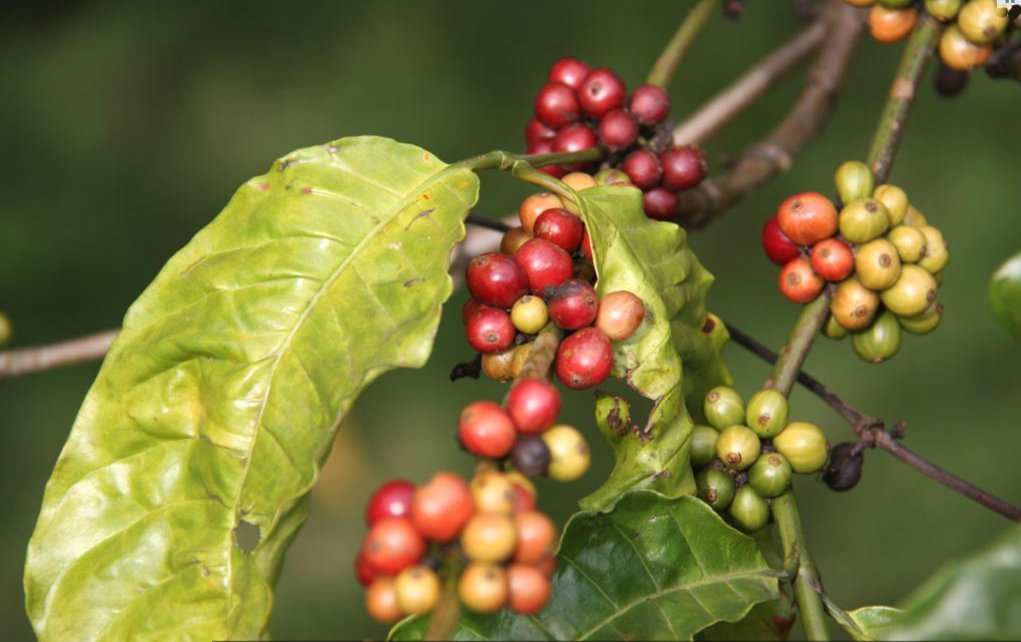
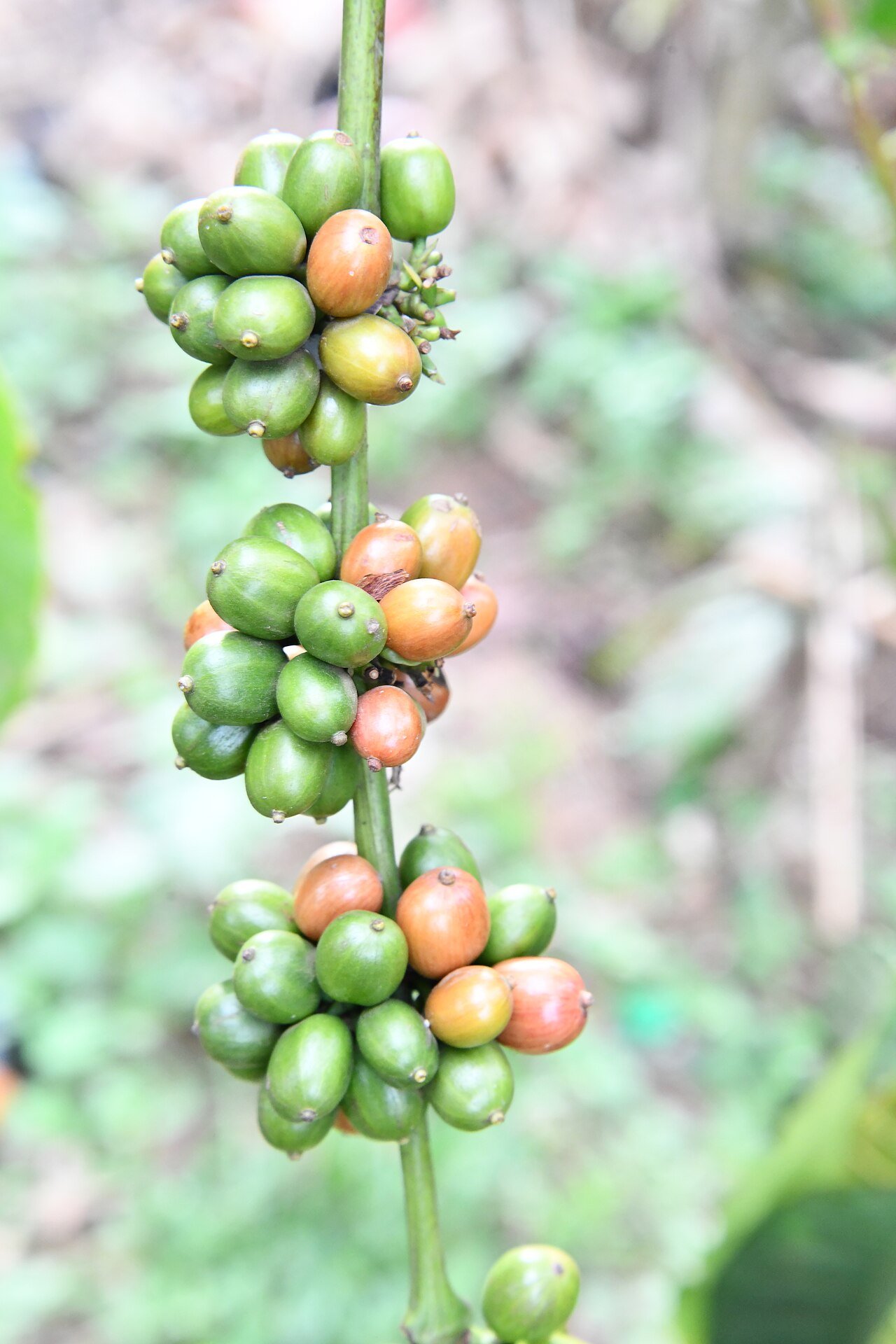
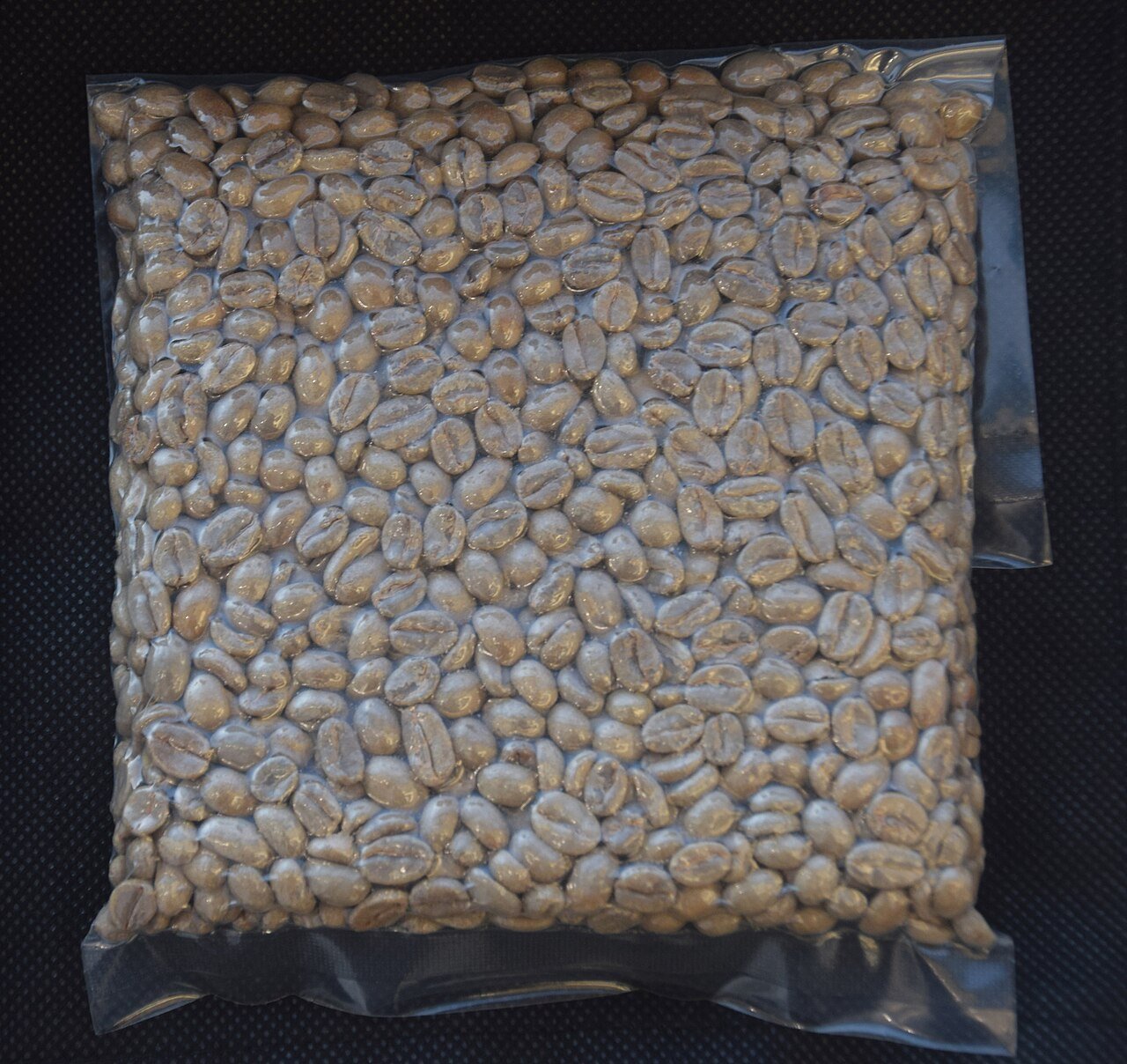

Pingback: Ugandan Coffee Beans: 2026 Buyer's Guide to Proven Grades - Continental Coffee Supply
Pingback: Ethiopian Green Coffee Beans: 7 Proven Tips for Buying Well - Continental Coffee Supply
Pingback: Coffee Beans for Cold Brew: 8 Proven Picks for Smooth Flavor - Continental Coffee Supply