
Description
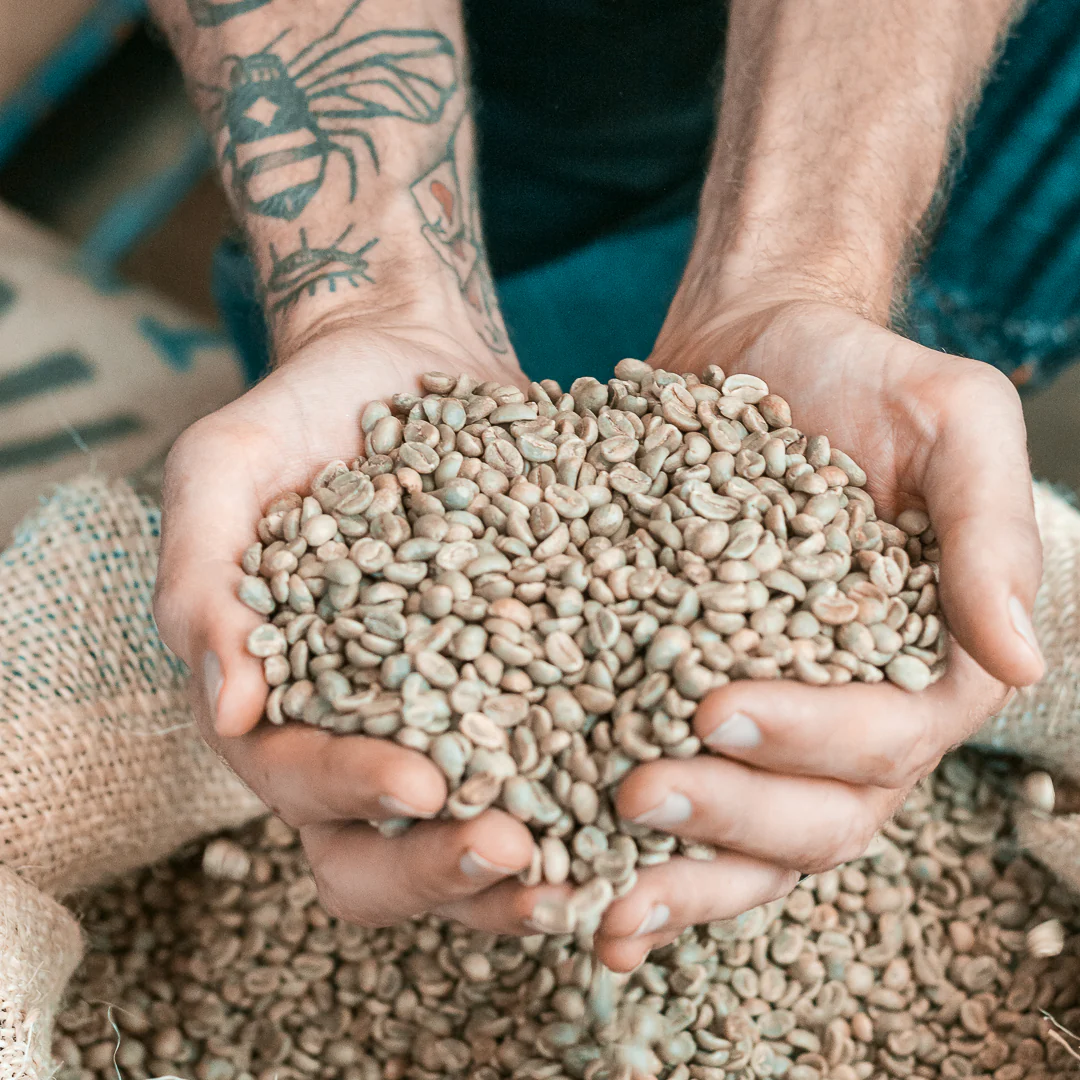
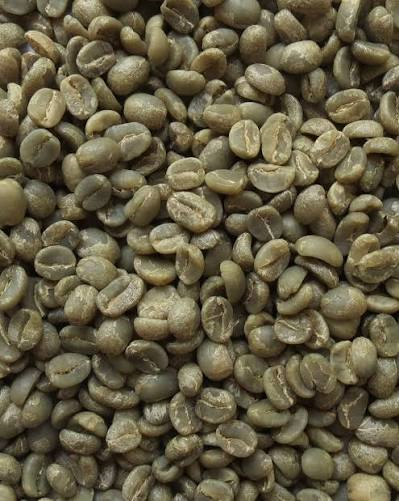
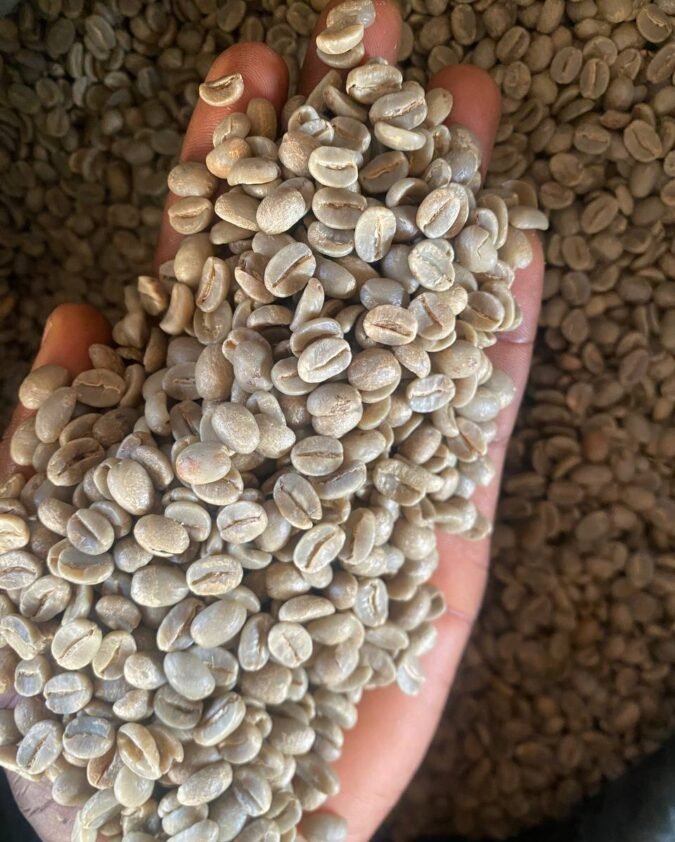
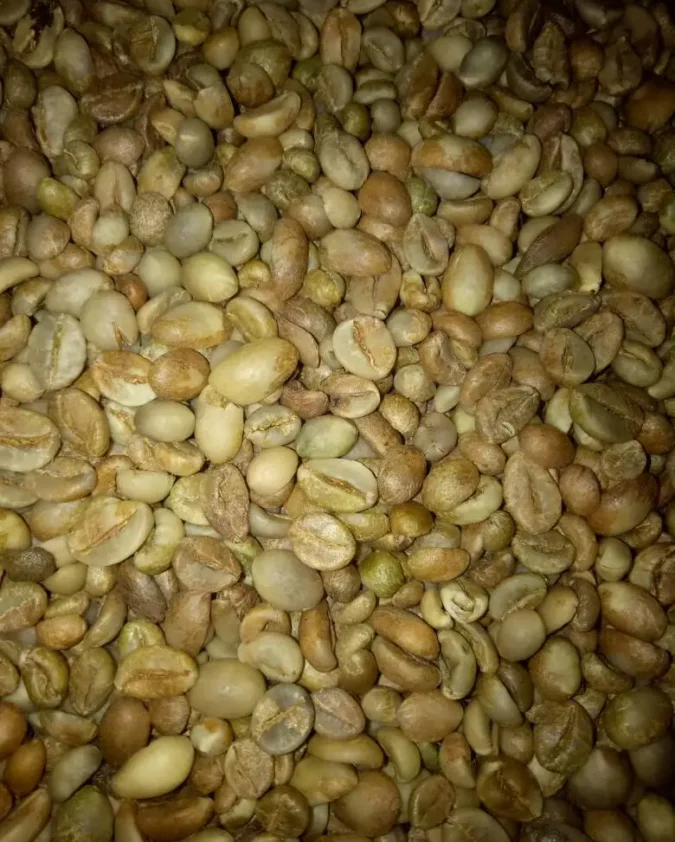
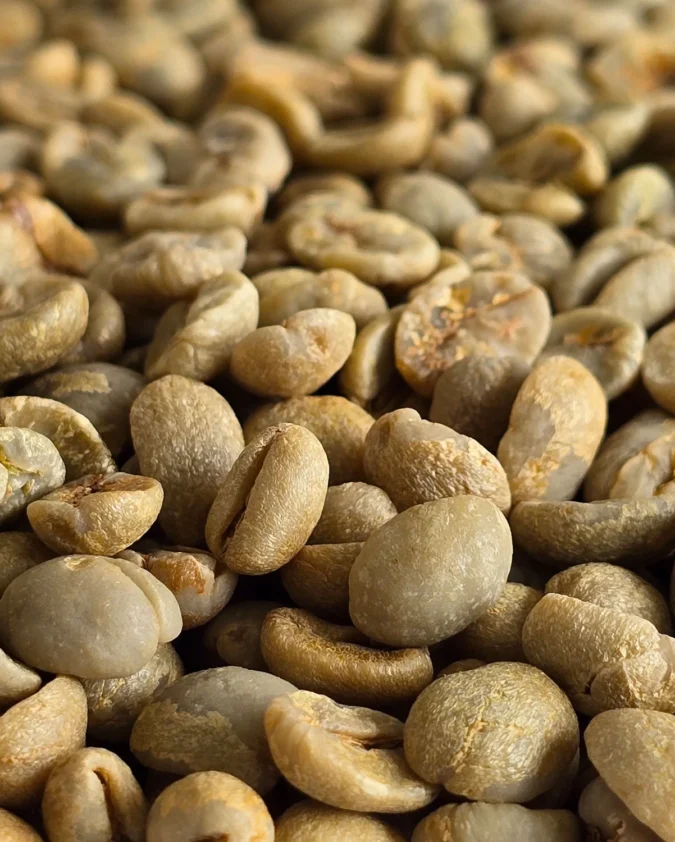
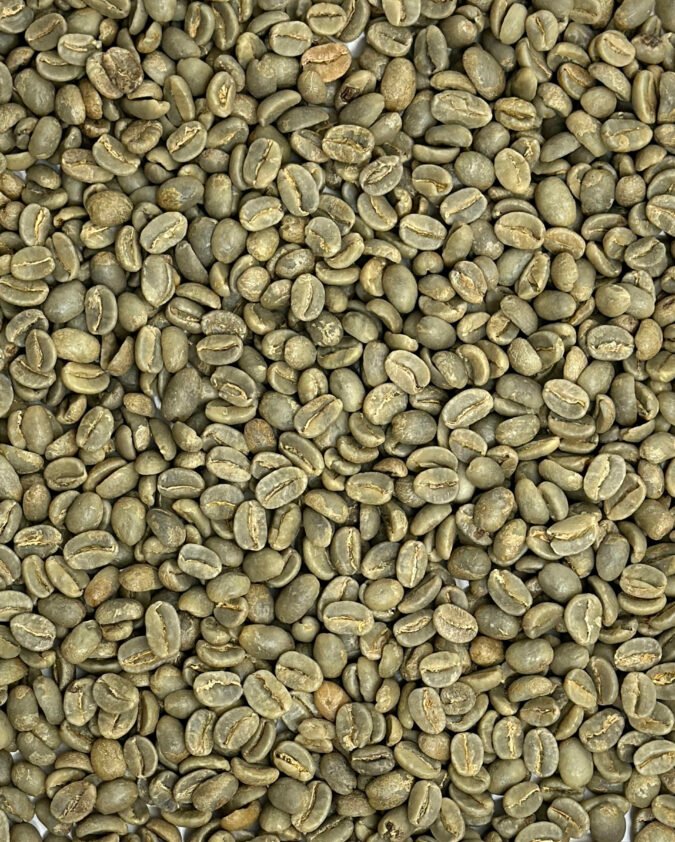
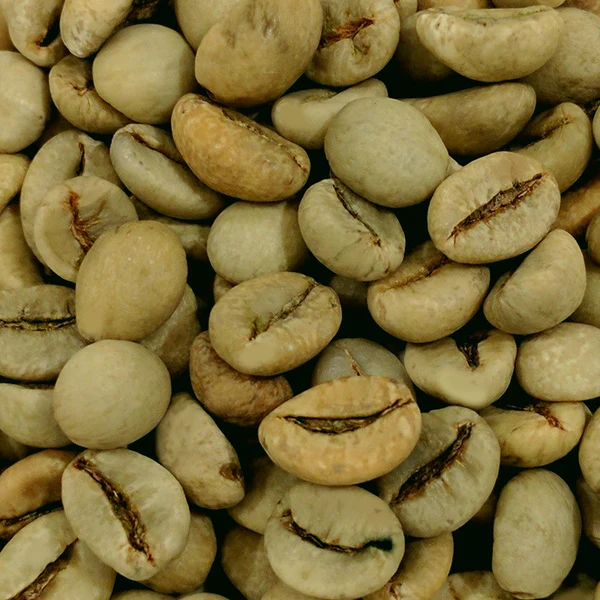
We supply African Robusta coffee beans in bulk to roasters, instant coffee makers, importers and wholesalers around the world. The beans are sold green, graded and ready for export, so if you need strong, dependable Robusta for your blends, you can order from us directly.
Robusta is the other big coffee species next to Arabica. Its proper name is Coffea canephora, and Africa is where it grows naturally. The tree copes with heat and lower altitudes, it fights off disease better than Arabica, and it gives a heavy, bold cup with roughly twice the caffeine.

Where our African Robusta coffee beans come from
We source from the main Robusta countries in East, West and Central Africa, including Uganda, Côte d’Ivoire, Tanzania and the Democratic Republic of the Congo. Each one tastes a little different. Ugandan coffee is full-bodied and earthy with a touch of spice. Ivorian Robusta is usually milder and nuttier, and Côte d’Ivoire has grown it for export for generations. Tanzanian and Congolese lots can carry a bit of fruit or herbal character on top of the usual earthy base.
If you have a profile in mind, tell us and we will match a lot of African Robusta coffee beans to it.
African Robusta coffee beans specifications
- Species: Coffea canephora (Robusta)
- Origins: Uganda, Côte d’Ivoire, Tanzania, DR Congo
- Altitude: about 600 to 1,500 m above sea level
- Processing: natural (dry) or washed (wet)
- Screen size: 16/18 or 18/20 (medium to large beans)
- Defects: under 5% on premium grades
- Moisture: 10% to 12%
- Caffeine: 2.2% to 2.7% by weight
- Cup notes: earthy, woody, nutty, dark chocolate, a hint of spice
- Acidity: low
- Body: heavy
- Form: green (unroasted) beans
- Packing: 60 kg jute bags as standard, other packing on request
What African Robusta coffee beans are good for
Espresso blends. Robusta makes a thick, lasting crema and adds weight to a shot. Many Italian-style blends use 10% to 30% Robusta for exactly that reason. Our African Robusta coffee beans hold up well in milk drinks too, where a softer Arabica can get lost.
Instant and soluble coffee. Factories use Robusta because it gives a high yield of soluble solids and a strong taste that survives processing.
Strong house blends. If your customers want a coffee with a kick, a dark-roasted Robusta base does the job and keeps your cost per kilo down.
For a brighter blend, pair it with our African Arabica coffee beans. One gives body and crema, the other gives sweetness and acidity.
Roasting tips
Most roasters take Robusta to a medium or dark roast. That tames the bitterness and brings out chocolate and nut. Robusta is dense, so it often needs a little more heat early on than Arabica. If you blend before roasting, keep an eye on the colour, because the two species don’t always develop at the same speed. Some people roast them apart and blend after. Try both on a small batch and see which you like.
Quality checks before shipping
Every lot of African Robusta coffee beans is checked for moisture, bean size and defects before it is bagged. We keep moisture at 12% or below so the coffee arrives in good shape after weeks at sea. Foreign matter and broken beans are kept to a minimum, and we can send a sample for you to roast and cup before you commit to a full order.
Ordering and delivery
We sell African Robusta coffee beans by the ton and ship worldwide, normally by sea to the port you choose. Green coffee prices follow the world market, so we give you a fresh quote for each order. Just send the quantity, the grade you want and your delivery port through our contact form.
You can also compare other origins in our Robusta range: the earthy Ugandan Robusta, the smooth Brazilian Robusta, Indian Robusta and Vietnam Robusta. Or see everything we sell in one place.
Robusta and Arabica compared
This table shows how our African Robusta coffee beans stack up against Arabica, in plain terms.
| Robusta | Arabica | |
|---|---|---|
| Plant | Coffea canephora | Coffea arabica |
| Altitude | sea level to about 1,500 m | usually above 1,000 m |
| Caffeine | 2.2% to 2.7% | 1.2% to 1.5% |
| Taste | strong, earthy, low acidity | sweet, fruity, bright |
| Crema | thick and lasting | lighter |
| Price | lower | higher |
Buyers often ask whether they should use African Robusta coffee beans on their own or in a blend. Both work. On its own it makes a strong, dark, no-nonsense cup that a lot of markets love. In a blend it does the heavy lifting on body and crema while the Arabica handles sweetness and aroma.
Natural or washed African Robusta coffee beans?
Most African Robusta is dried naturally, inside the cherry, on patios or raised beds. That gives a heavier, earthier cup with a bit of sweetness. Washed Robusta has the fruit removed before drying. It tastes cleaner and costs a little more, and roasters who want to push the Robusta share in their espresso without rough edges tend to prefer it.
If you make instant coffee or a strong dark blend, natural lots are usually the better value. If you sell premium espresso, ask us about washed lots.

How and when it is harvested
Robusta trees flower after the rains, and the cherries take about ten to eleven months to ripen, which is longer than Arabica. Parts of East Africa get two harvests a year, a main crop and a smaller fly crop, so fresh coffee comes onto the market more than once. West African countries usually have one main harvest. Picking is still mostly done by hand on small family farms, where a household might look after a few hundred trees.
After picking, the cherries are dried, hulled to remove the dry husk, then sorted by size and density and checked for defects. Only then are the African Robusta coffee beans graded and bagged for export. If freshness matters to you, ask which crop a lot comes from and we will tell you.
Blending ideas
- Classic Italian espresso: 70% Arabica and 30% African Robusta coffee beans, roasted dark.
- Strong breakfast blend: half Arabica, half Robusta, medium-dark.
- Food-service blend: up to 60% Robusta with a clean Arabica such as our African Arabica.
Treat these as starting points. Roast small batches, taste them side by side and adjust until you like what is in the cup.
Storing your coffee
Keep the bags in a cool, dry room, raised off the floor on pallets and away from walls. Coffee picks up smells easily, so keep it away from spices, chemicals and fuel. Humidity of around 60% is about right. Stored this way, green African Robusta coffee beans stay in good condition for up to a year, and Robusta usually holds its flavour a bit longer than delicate Arabica does.
Shipping and documents
We ship African Robusta coffee beans by sea container to ports worldwide. Every shipment comes with the normal export papers: commercial invoice, packing list, bill of lading, certificate of origin and phytosanitary certificate. If your country needs anything else, tell us at the start and we will have it ready. Once the coffee has left, you can follow it on our order tracking page.
What moves the price
Robusta is traded against the London futures market, and that price changes every day with harvest reports, weather and demand. Origin, grade, screen size, processing, quantity and freight to your port all sit on top of it. A washed Screen 18 lot will cost more than a natural Screen 15 lot from the same country.
So we quote each order fresh instead of showing one fixed price. Tell us your budget and use, and we will suggest the grade that gives you the best value.
Why buy from us
We focus on bulk green coffee and nothing else. We know our lots, we check them before they ship, and we will tell you straight what a coffee is good for and what it isn’t. Our buyers range from small roasters placing a first order to distributors moving full containers. You can read more about us here.
If you are comparing suppliers, ask for a sample of our African Robusta coffee beans and roast it next to what you use now. That will tell you more than any spec sheet.
New to roasting? Our step-by-step guide to roasting green coffee beans covers equipment, roast levels and profiles for every origin we sell.
Want to understand washed, natural and honey coffee? Read our guide to coffee processing methods.
Before ordering in bulk, cup a sample. Our guide to coffee cupping shows you how.
Wondering when the next fresh crop arrives? Our guide to the coffee harvest season has the timing for each origin.
Using African Robusta coffee beans in espresso? Our guide to coffee beans for espresso has blend ratios and roasting tips.
Wondering what African Robusta coffee beans cost right now? Our guide to green coffee prices explains current market levels and how we quote.
Our African Robusta coffee beans can be sold as a single origin. Our guide to single origin coffee beans explains how to present and sell them.
Comparing suppliers for African Robusta coffee beans? Our guide to choosing a green coffee supplier explains what to check before you buy.
Blending African Robusta coffee beans with Arabica? Our buyer’s guide to Arabica coffee beans explains origins, grades and prices.
We ship African Robusta coffee beans green, ready for you to roast. Our guide to unroasted coffee beans explains how to store, roast and buy them.
Common questions
Are your African Robusta coffee beans roasted or green?
Green. You roast them to suit your own blend.
How much caffeine is in Robusta?
Around 2.2% to 2.7%, about double what you find in most Arabica.
Can I order a sample first?
Yes. Ask for one when you request a quote.
How long do green African Robusta coffee beans keep?
Up to about a year if you store them cool, dry and away from strong smells.
Which African country has the best Robusta?
Uganda is known for body and a clean cup, Côte d’Ivoire for a milder taste. The best one depends on your blend, so we usually suggest trying two samples side by side.



There are no reviews yet.