
Coffee processing methods are the ways farmers and mills get the coffee seed out of the ripe cherry and dry it down so it can be stored and shipped. The three main methods are washed (wet), natural (dry) and honey (pulped natural). There are also regional styles like wet-hulling in Indonesia and monsooning in India, plus newer experimental techniques. The method chosen has a big effect on how the coffee tastes, how it roasts, how long it keeps and what it costs.
Most articles on this topic stop at flavour. This one is written for people who buy green coffee: roasters, importers and coffee brands. So as well as explaining each of the coffee processing methods, it covers what processing means for roasting, storage, grading, price and sustainability, and how it applies to Robusta, which most guides ignore. Where we state a fact, we link to the source so you can check it. Where something is a rule of thumb or an opinion, we say so.
A short history of coffee processing methods
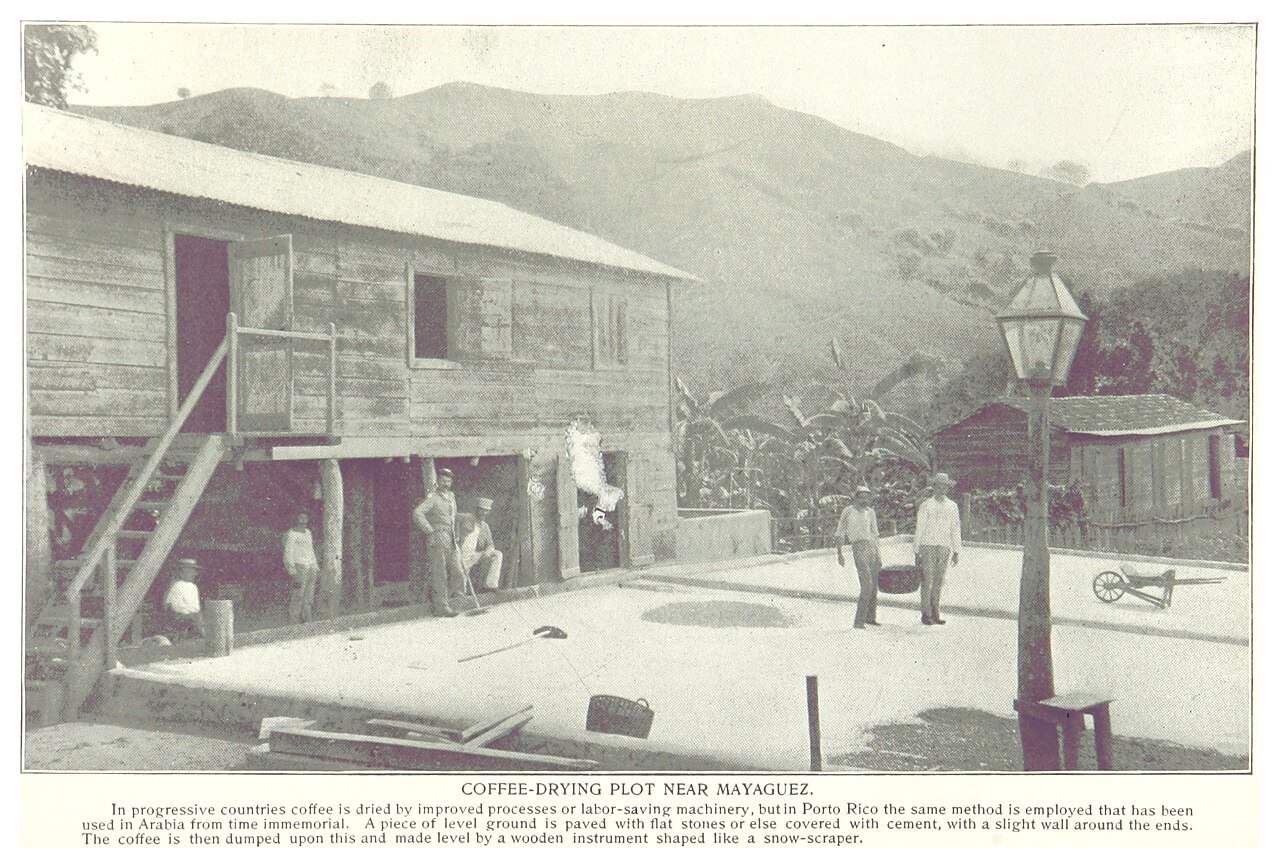
Drying whole cherries in the sun is generally regarded as the oldest way to process coffee, simply because it needs nothing but sunshine and space. Washing came later, as producers found that removing the fruit before drying gave cleaner, more consistent coffee, and it became the norm for Arabica in many countries.
Some coffee processing methods were born by accident. Monsooned coffee is a good example. Wikipedia’s Monsooned Malabar article traces it back to the days of sail, when coffee spent months at sea between India and Europe and the humid sea air turned the beans from green to a pale yellow. When faster shipping removed that effect, producers recreated it on purpose in warehouses on the coast.
Honey processing spread widely in Central America over recent decades as small mills looked for ways to save water and set their coffee apart. Today, experimental fermentation is the newest chapter, and coffee processing methods are changing faster than at any time in the past.
What are coffee processing methods?
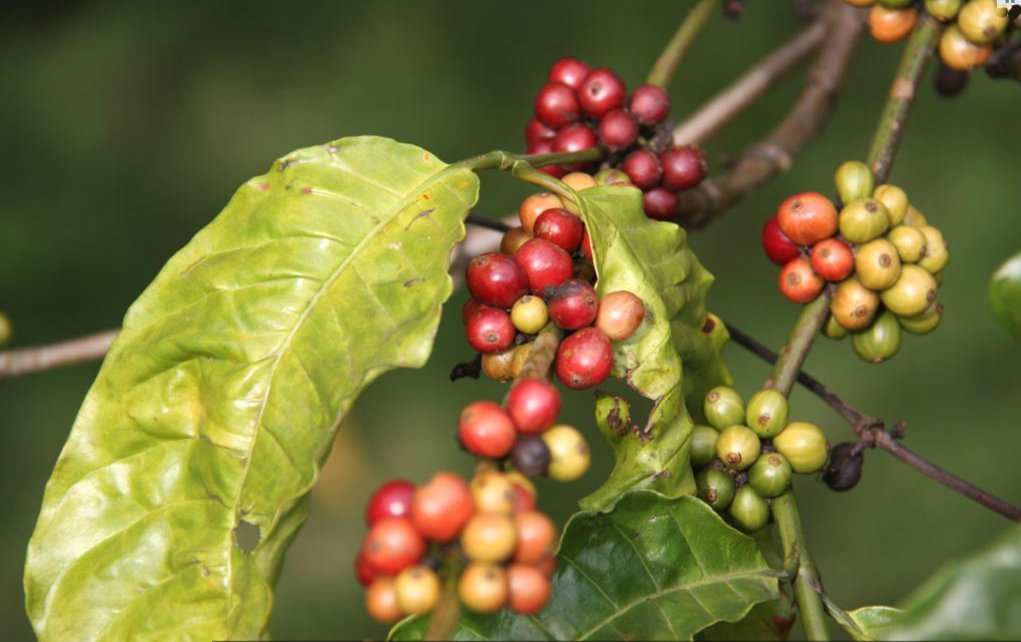
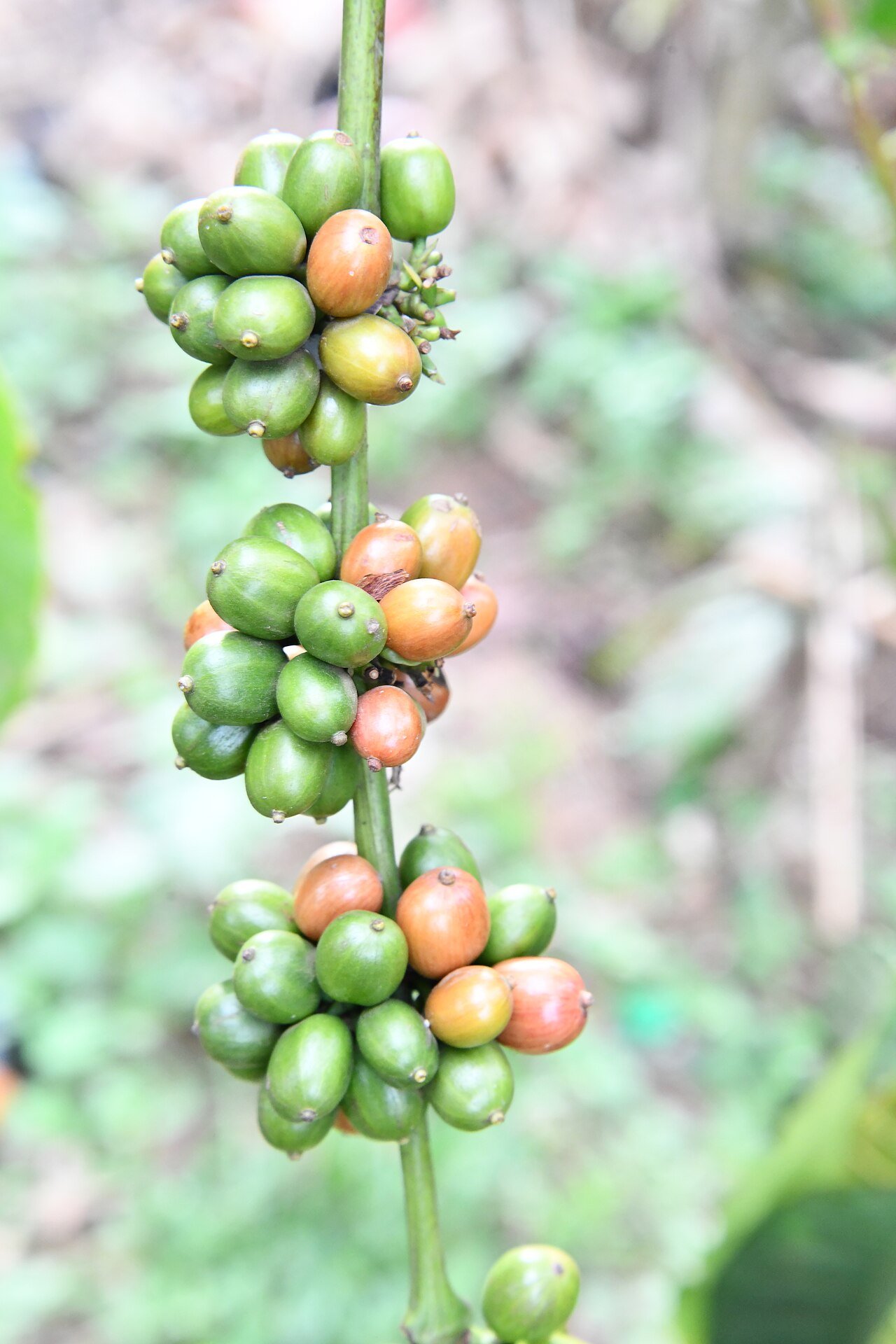
A coffee cherry is a small fruit with layers, and the seed we roast sits right in the middle. From the outside in, there is a thin skin, then the fruit flesh or pulp, then a sticky, sugary layer called mucilage, then a papery shell called parchment, and finally a fine silver skin around the seed itself. Processing is the job of removing those layers and drying the seed safely.
All coffee processing methods do two things in the end: they take off the fruit, and they dry the seed down to a stable moisture level. The difference is the order and the timing. In the wet process, as described in Wikipedia’s overview of coffee production, the fruit covering the beans is removed before they are dried. In the dry process, the whole cherry is dried first and the dried fruit is removed afterwards. The honey or pulped natural process sits between them: the skin is removed but the mucilage is left on during drying, and the washing step is skipped.
In the washed process the mucilage is usually loosened by fermentation. Wikipedia’s coffee bean article describes fermentation softening the mucilage, the sticky pulp residue on the seeds, which is then washed off with water.

Why coffee processing methods matter to buyers
If you buy coffee, processing is one of the most useful words on a spec sheet. It tells you a lot before you ever roast a sample:
- Flavour. Washed coffees usually taste cleaner and brighter. Naturals usually taste fruitier and heavier. Honey coffees often land in between.
- Roasting. Different coffee processing methods leave different sugars and residues on the bean, which changes how it browns and how easily it scorches.
- Consistency. Washed lots tend to be more uniform from bag to bag. Naturals vary more with weather and handling.
- Shelf life. How well the coffee was dried affects how it holds up in storage.
- Price. Labour, water and risk all differ between methods, and that shows up in what you pay.
These are tendencies, not laws. A badly run washing station can produce a dirty washed coffee, and a careful farmer can make a very clean natural. But the tendencies are strong enough that most buyers use processing as a first filter.
Coffee processing methods at a glance
The table below is a summary. The “where it is common” column is a broad guide; most countries use more than one method.
| Method | When the fruit comes off | Water use | Typical cup | Where it is common |
|---|---|---|---|---|
| Washed (wet) | Before drying; mucilage removed by fermentation and washing | Highest | Clean, bright, clear acidity | Most Arabica origins outside Brazil, e.g. Kenya, Colombia, Central America |
| Natural (dry) | After drying; whole cherry dried, then hulled | Lowest | Fruity, sweet, heavy body, sometimes winey | Brazil, Ethiopia, Yemen, most Robusta origins |
| Honey / pulped natural | Skin removed before drying, sticky mucilage left on | Low | Sweet, rounded, between washed and natural | Costa Rica, Central America, Brazil |
| Semi-washed / wet-hulled | Parchment removed while the bean is still wet | Low to medium | Heavy, earthy, low acidity | Indonesia (Sumatra, Sulawesi) |
| Monsooned | Dry-processed coffee aged in humid monsoon air | Low | Mellow, heavy, very low acidity | India (Malabar coast) |
The washed (wet) process
How it works
- Ripe cherries are picked and sorted, often by floating them in water so that light, defective cherries can be skimmed off.
- A pulping machine strips off the skin and most of the pulp.
- The beans, still covered in mucilage, go into tanks to ferment, usually for somewhere between several hours and a couple of days depending on temperature and the producer’s method.
- Once the mucilage has loosened, the beans are washed clean in channels or tanks.
- The parchment coffee is dried on patios, raised beds or in mechanical dryers until it reaches a safe moisture level.
- Before export, a dry mill removes the parchment, then grades and sorts the green beans.

Why fermentation matters
Fermentation is where washed coffee can go very right or very wrong. A 2015 review in the journal Food Chemistry, “Coffee fermentation and flavor: An intricate and delicate relationship” by Lee and colleagues, describes the link between fermentation and coffee aroma as intricate and delicate, and notes that uncontrolled fermentation leads to off-flavours. In plain terms: too long or too warm, and the coffee can taste sour, vinegary or “stinky”. Done well, fermentation simply cleans the bean and lets its own character come through.
What washed coffee tastes like
Washed coffees are known for clarity. Acidity tends to be bright and well defined, and origin character, such as the citrus of a Kenyan or the florals of a washed Ethiopian, comes through clearly. Body is usually lighter than in naturals. This is why so many single-origin filter coffees are washed.
Where it is used
Among the coffee processing methods, washed is the standard for Arabica in most producing countries. Wikipedia’s article on coffee production in Brazil notes that in most countries Arabica is processed using the wet process, while virtually all coffee in Brazil is processed using the dry process.
The water question
Washing uses a lot of water, and the wastewater is heavy with organic matter from pulp and mucilage. According to Wikipedia’s article on coffee wastewater, fully washed processing needs the most fresh water and dry processing the least. With water reuse and improved techniques, about 1 to 6 cubic metres of water per tonne of fresh cherry is achievable, while without reuse consumption of up to 20 cubic metres per tonne is possible. The article also points out that sources give a wide range, so treat these as indicative figures rather than exact numbers.
The natural (dry) process: the oldest of the coffee processing methods
How it works
- Ripe cherries are picked and, ideally, sorted to remove unripe, overripe and damaged fruit.
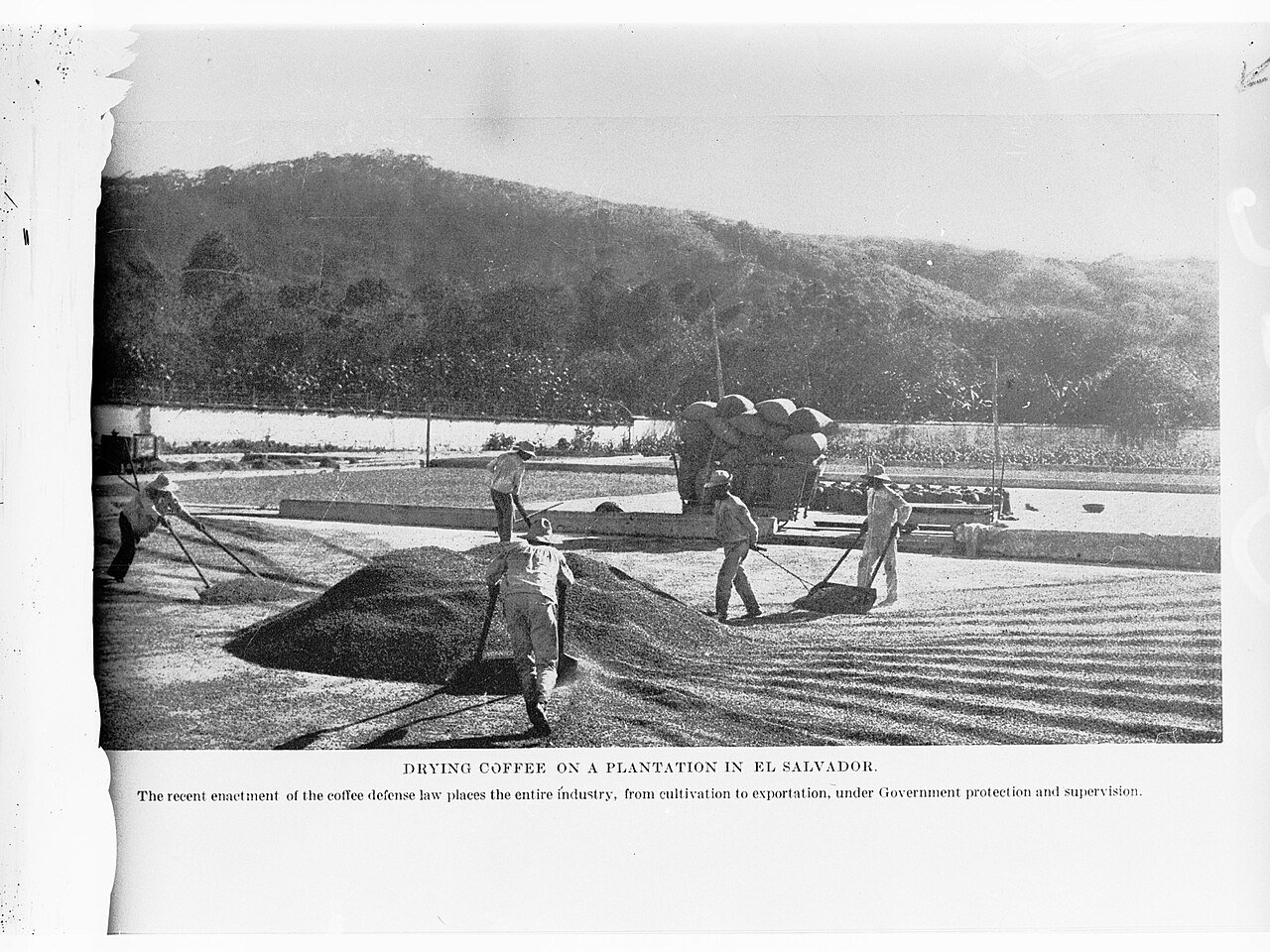
- The whole cherries are spread out to dry on patios, tarps or raised beds, and turned regularly so they dry evenly and don’t go mouldy.
- Drying in the sun usually takes a few weeks, depending on the weather.
- When the cherries are dry and hard, a hulling machine removes the dried skin, pulp and parchment in one go.
- The green beans are graded and sorted for export.

What natural coffee tastes like
Because the seed sits inside the drying fruit for weeks, naturals often taste fruitier, sweeter and heavier than washed coffees from the same farm. Think strawberry or blueberry in some Ethiopian naturals, or chocolate and dried fruit in many Brazilians. At their best they are spectacular. At their worst, from poorly sorted or badly dried cherry, they taste ferment-y, musty or dirty.
The risks
Drying a whole, wet, sugary fruit is slow, and slow drying invites mould. The FAO’s report on post-harvest handling of coffee in African countries notes that mould growth on coffee beans is possible if the moisture content of the beans exceeds the accepted standard for an extended time, and discusses ochratoxin A, a mycotoxin some moulds can produce. This is why careful turning, good drying surfaces and patience matter so much in natural processing.
Where it is used
The dry process is the oldest of the coffee processing methods and needs very little water, so it is common in drier regions and wherever water is scarce. As mentioned above, virtually all coffee in Brazil is dry processed. It is also traditional in parts of Ethiopia and Yemen, and it is the most common way to process Robusta in many countries.

Honey (pulped natural): a hybrid of coffee processing methods
How it works
Honey processing starts like the washed method: the cherries are pulped to remove the skin and most of the fruit. But instead of fermenting and washing off the sticky mucilage, the producer dries the beans with some or all of it still attached. Wikipedia’s coffee production article sums it up: the skin is removed, the mucilage is left on the parchment, and the washing step is omitted. The name has nothing to do with bee honey; it refers to the sticky, honey-like feel of the mucilage.
White, yellow, red and black honey
Many producers, especially in Central America, label honey coffees by colour, depending roughly on how much mucilage is left and how the beans are dried. These labels are not a formal standard, and different farms use them differently, so treat the table below as a general guide rather than a rule.
| Honey style (common usage) | Mucilage left on | Typical result |
|---|---|---|
| White honey | Very little | Close to a washed coffee, slightly sweeter |
| Yellow honey | Some | Balanced, gentle sweetness |
| Red honey | More | Fruitier and heavier |
| Black honey | Most | Closest to a natural, rich and sweet |
In Brazil, a similar method is usually called “pulped natural”, and the term “semi-washed” is sometimes used for related approaches where much of the mucilage is removed mechanically. Of all the coffee processing methods, honey is the one where names vary most, so always ask your supplier exactly what was done.
What honey coffee tastes like
Honey coffees often combine some of the sweetness and body of a natural with some of the clarity of a washed coffee. They also use less water than full washing. The trade-off is that drying sticky parchment takes care; beans can clump or ferment unevenly if they are not turned often.

Semi-washed and wet-hulled (giling basah)
Indonesia has its own style. Wikipedia’s article on coffee production in Indonesia describes the “giling basah” or wet-hulling technique used by smallholders in Sumatra and Sulawesi. In broad terms, the coffee is pulped and partly dried, then the parchment is removed while the bean is still fairly wet, and the naked green bean is dried the rest of the way.
Wet-hulling is one of the coffee processing methods that gives a very recognisable cup: heavy body, low acidity and earthy, herbal or woody notes. Some people love it; others find it too earthy. The beans often look darker green or bluish and can be less uniform. If you buy Indonesian coffee, it is worth knowing whether a lot was wet-hulled, fully washed or natural, because they taste very different. Our Indonesia Robusta page explains the main styles.
Monsooned coffee
Monsooning is more of a post-processing treatment than a processing method, but buyers often group it with coffee processing methods, so it belongs here. Wikipedia’s Monsooned Malabar article explains that selected dry-processed beans are exposed to moisture-laden monsoon winds in well-ventilated warehouses from June through September, roughly 12 to 16 weeks. The beans swell, turn pale and lose much of their original acidity, giving a mellow, heavy cup.
According to Wikipedia’s article on coffee production in India, unwashed Arabica and Robusta stored in Mangalore and exposed to the humidity of the south-west monsoon from June to September is called Indian monsooned coffee. Espresso roasters use it for body and low acidity. It is an acquired taste on its own, but a useful blend component.
Experimental coffee processing methods
In specialty coffee, producers keep inventing new twists. The best known are:
- Anaerobic fermentation: cherries or pulped beans are fermented in sealed tanks with little or no oxygen, sometimes for days.
- Carbonic maceration: an idea borrowed from winemaking, where whole cherries ferment in tanks filled with carbon dioxide.
- Inoculated fermentation: specific yeasts or bacteria are added to steer the fermentation.
- Extended or double fermentation: longer or repeated fermentation stages to build particular flavours.
These experimental coffee processing methods can produce striking flavours, often fruity, boozy or spicy, and they win a lot of competitions. The research base is growing but still young; the Food Chemistry review by Lee and colleagues covers fermentation’s role in aroma and discusses ways of steering it. For most commercial buyers, experimental lots are a small, premium niche rather than everyday stock.

What research says about coffee processing methods
It is easy to assume processing only affects the outside of the bean. Research suggests it goes deeper. A 2007 study by Bytof and colleagues in the Annals of Botany, “Transient occurrence of seed germination processes during coffee post-harvest treatment”, looked at metabolic activity in coffee seeds during processing. It found that germination-related processes start in the seed during both wet and dry processing, but on very different timelines: activity peaked about two days after wet processing began, and about a week after the start of dry processing.
The authors argue that these differences help explain why wet- and dry-processed coffees end up with different chemical make-ups. The same paper notes the older explanation, that wet processing traditionally uses only ripe fruit while dry processing often includes cherries at various stages of ripeness. Both factors probably matter. For buyers, the practical message is simple: coffee processing methods change the bean itself, not just its surface, which is one reason the same coffee can taste so different washed and natural.
How coffee processing methods affect flavour
Putting it all together, here is how flavour usually shifts with processing. These are typical patterns, not guarantees.
- Washed: clean, bright, clear acidity, lighter body, more “origin” character.
- Natural: fruity, sweet, heavier body, lower perceived acidity, sometimes winey.
- Honey: sweet and rounded, in between washed and natural.
- Wet-hulled: heavy, earthy, herbal, low acidity.
- Monsooned: mellow, heavy, very low acidity, woody or spicy.
- Experimental: often intense fruit, wine or spice notes.
Variety, altitude, ripeness and drying skill all matter too. Our Arabica vs Robusta guide explains how species changes the picture.
How coffee processing methods affect roasting
Roasters notice processing straight away. Some general observations widely shared in the trade, offered here as guidance rather than hard rules:
- Washed coffees tend to roast evenly and predictably, and often take a little more heat to develop sweetness.
- Naturals and honeys carry more surface sugars and fruit residue, so they can brown faster and scorch more easily. Many roasters start them slightly cooler.
- Wet-hulled coffees can be less uniform and sometimes need gentler handling to avoid harsh, roasty notes.
- Monsooned coffee is large, light and low in density, so it roasts quickly; watch it closely.
Our full guide to roasting green coffee beans goes into profiles and faults in detail.
How coffee processing methods affect storage and grading
Whatever the method, green coffee needs to be dried to a stable moisture level. In the Annals of Botany study above, both the wet- and dry-processed samples were dried to 12% water content, and around 10% to 12% is widely used as a target in the trade. Coffee that leaves the farm too wet is at risk of mould, as the FAO report explains. Our guide to storing green coffee beans covers how to protect it once it arrives.
Processing also shows up in grading. Naturals that were poorly sorted can carry more defects, such as black, sour or fermented beans, while washed coffee goes through more sorting stages along the way. Our article on coffee bean grading explains how defects are counted.

Coffee processing methods for Robusta
Most guides talk only about Arabica, but Robusta processing matters just as much to anyone buying for espresso, blends or instant coffee. Robusta is grown in huge volumes: Wikipedia’s article on coffee production in Vietnam notes that Vietnam is the world’s second-largest coffee producer after Brazil, with Robusta making up 97% of its output.
Natural processing is the most common of the coffee processing methods for Robusta in many producing countries, partly because it is cheaper and uses little water. But washed Robusta exists and is growing. India is a good example: Wikipedia’s India article notes that the Indian Coffee Association’s auctions include Arabica Cherry, Robusta Cherry, Arabica Plantation and Robusta Parchment, and that Indian coffee is processed by both dry and wet methods. “Cherry” means dry-processed and “Parchment” or “Plantation” means washed.
For Robusta, coffee processing methods make a noticeable difference. Washed Robusta usually tastes cleaner and less harsh, with fewer earthy or rubbery notes, which lets roasters use more of it in a blend. Natural Robusta is heavier and more rustic, and it is usually cheaper. Brazil’s Conilon, like most Brazilian coffee, is mainly natural. Ugandan Robusta is mostly natural too, with the dried cherry known locally as kiboko.

Coffee processing methods and our coffees
Here is how the coffee processing methods above apply to the coffees we sell. Availability of washed or honey lots depends on the season, so ask when you request a quote.
| Our coffee | Usual processing | What it means in the cup |
|---|---|---|
| African Arabica | Washed or natural | Washed: bright and clean. Natural: fruity and heavy. |
| Africa Arabica (single origins) | Washed, natural and some honey | Clear origin character; pick the process to match your menu |
| Brazilian Robusta | Mostly natural, washed on request | Smooth, chocolatey, low acidity |
| Indian Robusta | Natural (Robusta Cherry), washed (Robusta Parchment) on request | Cherry: heavy. Parchment: cleaner and sweeter |
| Ugandan Robusta | Mostly natural, washed lots on request | Full body, cocoa, mild spice |
| Vietnam Robusta | Natural (dry) | Bold, sweet finish, good for espresso and instant |
| Indonesia Robusta | Mostly natural, washed on request | Heavy body, cedar, dark chocolate |
| African Robusta | Natural or washed | Strong and earthy; washed lots are cleaner |
Washed vs natural from the same farm: an illustration
To make the differences concrete, picture one farm splitting a single day’s harvest of ripe cherries into two lots. The example below is illustrative, based on how these coffee processing methods typically behave, not on a specific test we ran.
- The washed lot is pulped, fermented and washed, then dried as parchment. In the cup you would expect clearer acidity, a lighter body and the farm’s origin character: perhaps citrus, florals or stone fruit.
- The natural lot is dried in the whole cherry. You would expect more sweetness, a heavier body and riper fruit notes such as berries or dried fruit, with acidity feeling softer.
Same trees, same day, very different coffees. That is why buyers who taste the two side by side often come away with a much clearer idea of what coffee processing methods do. If you want to try this yourself, ask your supplier for a washed and a natural sample from the same origin.
To taste the difference processing makes, cup a washed and a natural side by side. Our guide to coffee cupping explains how.
Questions to ask your supplier about coffee processing methods
- Exactly which process was used, and what does the supplier mean by that name?
- How long was the coffee fermented, if at all, and was it under water or dry?
- How was it dried: patio, raised beds or mechanical dryer, and for how long?
- What was the final moisture content?
- Is the process the same across the whole lot, or were different lots blended?
- For honey and experimental lots, how much mucilage was left on, or what microbes were used?
Clear answers to these questions are a good sign. They also help you compare offers properly, because two coffees labelled the same way can still be handled very differently.
Common myths about coffee processing methods
“Washed coffee is always better.” It is often more consistent, but quality depends on ripe cherries and careful work, whatever the method.
“Naturals always taste fermented.” Well-made naturals taste fruity and sweet, not boozy. Strong fermented flavours usually point to slow or uneven drying.
“Honey coffee is sweet because of added honey.” Nothing is added. The sweetness comes from the coffee fruit’s own sugars.
“Processing only matters for specialty coffee.” It matters for commercial coffee too, especially for defects, consistency and how a blend tastes.
“All semi-washed coffee is the same.” The term means different things in different countries, so always ask what was actually done.
Choosing among coffee processing methods for your product
There is no single best method. It depends on what you make and who drinks it. Here is a practical guide, based on how the methods typically behave:
- Single-origin filter coffee: washed lots for clarity, or naturals for a fruit-forward “wow” coffee. Many cafés offer one of each.
- Espresso blends: a washed or natural Arabica base, plus a clean Robusta for crema and body. A natural Brazilian or a washed Indian Robusta works well.
- Milk-based drinks: naturals and honeys bring sweetness and body that hold up under milk.
- Instant and soluble coffee: natural Robusta is the usual choice for cost and yield.
- Strong traditional coffee: natural or wet-hulled coffees, or monsooned coffee in a blend, for heavy body and low acidity.
If you are building a range, using different coffee processing methods is an easy way to give customers variety from just a few origins. A washed and a natural from the same country, side by side, is one of the clearest ways to show people what processing does.
Choosing coffee for espresso? Our guide to coffee beans for espresso covers the best origins, blend ratios and roasting.
Blending with different coffee processing methods
Blends are where coffee processing methods become a real tool. Mixing processes lets you balance clarity, sweetness and body in one cup. A few combinations that roasters commonly use:
- Washed Arabica + natural Robusta: bright top notes from the Arabica, crema and weight from the Robusta. Try washed African Arabica with natural Brazilian Robusta.
- Natural Arabica + washed Robusta: fruit and sweetness with a cleaner Robusta base. A natural Africa Arabica single origin pairs well with washed Indian Robusta (Parchment).
- Washed + natural of the same origin: a simple way to add body to a bright coffee without losing its identity.
- A touch of monsooned or wet-hulled coffee: a small share adds weight and lowers acidity in a strong espresso.
Coffee processing methods also change how each component roasts, so many roasters roast them separately and blend afterwards. For strong, budget-friendly blends, natural Vietnam Robusta, Indonesia Robusta, Ugandan Robusta and African Robusta are all popular bases. Our guides to roasting green coffee beans and Arabica vs Robusta go further into blend ratios.
When you order samples for a new blend, ask for the same origin in two different processes if you can. Testing coffee processing methods side by side in your own blend is the fastest way to find the balance your customers like.
How to read coffee processing methods on a spec sheet
Suppliers describe coffee processing methods in different words. A quick decoder:
- Washed, fully washed, wet process, Plantation (India), Parchment (India): fruit removed before drying.
- Natural, dry process, unwashed, sun-dried, Cherry (India): dried in the whole fruit.
- Honey, pulped natural, semi-dry: skin removed, mucilage left on for drying.
- Semi-washed: a loose term for methods where mucilage is removed mechanically; meaning varies by country.
- Wet-hulled, giling basah: Indonesian method where parchment is removed while the bean is still wet.
- Monsooned: dry-processed coffee aged in monsoon air (India).
- Anaerobic, carbonic maceration, inoculated: experimental fermentation styles.
If a spec sheet does not mention processing at all, ask. It is one of the most important facts about a coffee, and a good supplier will know.
Sustainability and coffee processing methods
Water is the big environmental issue. As covered earlier, fully washed processing uses the most fresh water and dry processing the least, and wastewater from pulping and mucilage removal is high in organic matter. Untreated, it can pollute rivers and streams near washing stations. Many producers now recycle water, use mechanical demucilagers that need less water, or treat wastewater before release.
Natural and honey coffee processing methods use far less water, which is one reason they are spreading in drier areas. But they need more drying space and careful handling to avoid mould. There is no perfect answer; each method has trade-offs. If sustainability matters to your customers, ask suppliers how water and waste are managed at the mill.
Processing happens straight after picking. For timing by country, see our guide to the coffee harvest season.
Coffee processing methods and price
Coffee processing methods affect price in a few ways. Washed coffee needs more equipment, water and labour at the mill, but it is often seen as lower risk and more consistent. Natural coffee is cheaper to process but riskier, and a bad drying season can wipe out quality. Honey and experimental lots take more care and are often produced in small batches, so they usually cost more. For Robusta, washed lots typically carry a premium over naturals. In every case the bigger drivers are still the world market, the origin and the grade; our guide to wholesale green coffee beans explains how prices are built.
For current market levels and how quotes are built, see our guide to green coffee prices.
Not sure who to buy from? Our guide to choosing a green coffee supplier covers specs, samples, contracts, Incoterms and red flags.
Buying coffee by process from us
We supply green Arabica and Robusta from several origins, with processing listed on every spec sheet. You can browse our Arabica coffee beans and Robusta coffee beans, or see all our products. If you are importing for the first time, our guide to importing coffee beans walks you through contracts, shipping and customs. You can read more about us, follow an order on our tracking page, or find more guides on our blog.
To get a quote, tell us the coffee and process you are interested in, the quantity and your delivery port through our contact page. We can send samples of different processes so you can compare them on your own roaster.
Looking for coffees with a clear origin story? Our guide to single origin coffee beans explains what single origin means, how traceability works and how to build a menu that sells.
For a full buyer’s guide to origins, varieties, grades and prices, see our guide to Arabica coffee beans.
Frequently asked questions about coffee processing methods
What are the main coffee processing methods?
The three main coffee processing methods are washed (wet), natural (dry) and honey (pulped natural). Regional variations include wet-hulling in Indonesia and monsooning in India, and there are newer experimental methods such as anaerobic fermentation.
Which processing method tastes best?
None is best for everyone. Washed coffees are usually cleaner and brighter, naturals fruitier and heavier, and honeys sit in between. Choose based on your customers’ tastes and how the coffee will be brewed.
Is natural coffee lower quality than washed?
No. Naturals can be excellent when the cherries are ripe and well dried. They carry more risk of defects if handled badly, which is why careful drying matters so much.
Does honey-processed coffee contain honey?
No. The name refers to the sticky, honey-like mucilage left on the beans while they dry.
Which method uses the least water?
Natural (dry) processing uses the least water. Fully washed processing uses the most, although water reuse can cut consumption a lot.
How is Robusta usually processed?
Mostly natural, especially in big producing countries. Washed Robusta is available from some origins, such as India, and usually tastes cleaner.
Do coffee processing methods affect caffeine?
Caffeine is mainly set by species and variety. Robusta has much more caffeine than Arabica regardless of process. Processing has a far bigger effect on flavour than on caffeine.
How do I know which process a coffee used?
Check the spec sheet or ask the supplier. Look for words like washed, natural, honey, pulped natural, wet-hulled, Cherry or Parchment.
Does processing change how I should roast?
Often, yes. Naturals and honeys can brown faster and scorch more easily than washed coffees, so many roasters adjust their starting heat.
Key takeaways
- Coffee processing methods are how the fruit is removed and the seed dried; the order and timing are what differ.
- Washed coffees tend to be clean and bright, naturals fruity and heavy, honeys in between.
- Processing changes the bean itself, not just its surface, according to published research.
- Washing uses the most water; natural processing the least but carries more drying risk.
- For Robusta, washed lots are usually cleaner and naturals cheaper.
- Always check processing on the spec sheet and cup samples of different processes before you buy in volume.
Sources and References
- Bytof et al. (2007), “Transient occurrence of seed germination processes during coffee post-harvest treatment”, Annals of Botany
- Lee et al. (2015), “Coffee fermentation and flavor: An intricate and delicate relationship”, Food Chemistry
- FAO, “Post-harvest handling and processing of coffee in African countries”: Ochratoxin A in coffee
- Wikipedia: Coffee production (processing methods)
- Wikipedia: Coffee bean
- Wikipedia: Coffee wastewater (water use by processing method)
- Wikipedia: Coffee production in Brazil
- Wikipedia: Coffee production in Indonesia (giling basah)
- Wikipedia: Monsooned Malabar
- Wikipedia: Coffee production in India
- Wikipedia: Coffee production in Vietnam

Pingback: Ugandan Coffee Beans: 2026 Buyer's Guide to Proven Grades - Continental Coffee Supply
Pingback: Coffee Beans for Instant Coffee: 7 Proven Origins Buyers Trust - Continental Coffee Supply
Pingback: Coffee Beans for Cold Brew: 8 Proven Picks for Smooth Flavor - Continental Coffee Supply