Brazilian coffee beans come from the world’s biggest coffee producer, and they are in more of the world’s coffee than any other origin. Brazil grows both Arabica and Robusta, which Brazilians call Conilon. Most of it is natural-processed, giving smooth, low-acid coffee with chocolate and nut flavours that works well in espresso blends, milk drinks and everyday coffee.
For 2026/27 the USDA forecasts a record Brazilian crop of 71.9 million 60 kg bags, and that big harvest has been pushing green coffee prices down. We sell green Brazilian coffee beans, specifically Brazilian Conilon Robusta, in bulk and ship worldwide.
This guide explains what makes Brazilian coffee beans different, where they grow, how they are processed and graded, when the harvest arrives, what the record 2026/27 crop means for prices, and how to buy them well. Facts are linked to their sources; buying advice is our own and labelled as such.
Why Brazilian coffee beans matter
Brazil dominates world coffee. Wikipedia’s article on coffee production in Brazil notes that Brazil has been the world’s largest coffee producer for the last 150 years. The USDA says Brazil accounts for nearly 40% of world production and typically supplies between 40% and 50% of the world’s Arabica, depending on its two-year production cycle (USDA, July 2026).
For buyers, that has two big consequences. First, Brazilian coffee beans are available in huge, steady volumes, which makes them a natural base for blends that need to taste the same all year. Second, what happens in Brazil moves world prices. The USDA describes weather in Minas Gerais as the primary indicator for world market conditions.
The record 2026/27 crop and what it means for buyers
The 2026/27 Brazilian harvest is a big one. The USDA forecast Brazil’s combined Arabica and Robusta harvest at a record 71.9 million bags for 2026/27 (July 2026 to June 2027), with Arabica rebounding by 9.5 million bags to 47.5 million after five years of underperformance, and Robusta easing 600,000 bags to 24.4 million after a record previous year (USDA). It credits timely rainfall during flowering in September and October for near-record yields in Minas Gerais.
| Brazil, 2026/27 (USDA forecast) | 60 kg bags | Main producing state |
|---|---|---|
| Arabica | 47.5 million | Minas Gerais (over 70% of Brazil’s Arabica) |
| Robusta (Conilon) | 24.4 million | Espírito Santo (about 70% of Brazil’s Robusta) |
| Total | 71.9 million (record) | |
| Bean exports | 45.0 million (record) |
The International Coffee Organization’s September 2026 report adds more recent detail: Brazil’s harvest was reported 97% complete by 26 August, and Brazil’s CONAB raised its own 2026/27 estimate to a record 67.6 million bags on 24 September. The ICO also notes that rain during harvesting affected quality, creating uneven availability across grades (ICO). Estimates differ between agencies, but they agree the crop is very large.
What that means for you: more Brazilian coffee beans on the market has been pushing prices down. The ICO reports that its Brazilian Naturals price fell 9.9% in September 2026 alone, to an average of 290.19 US cents per pound. With quality uneven across grades, it pays to cup samples carefully rather than assume every lot from this crop is the same.
A short history of Brazilian coffee
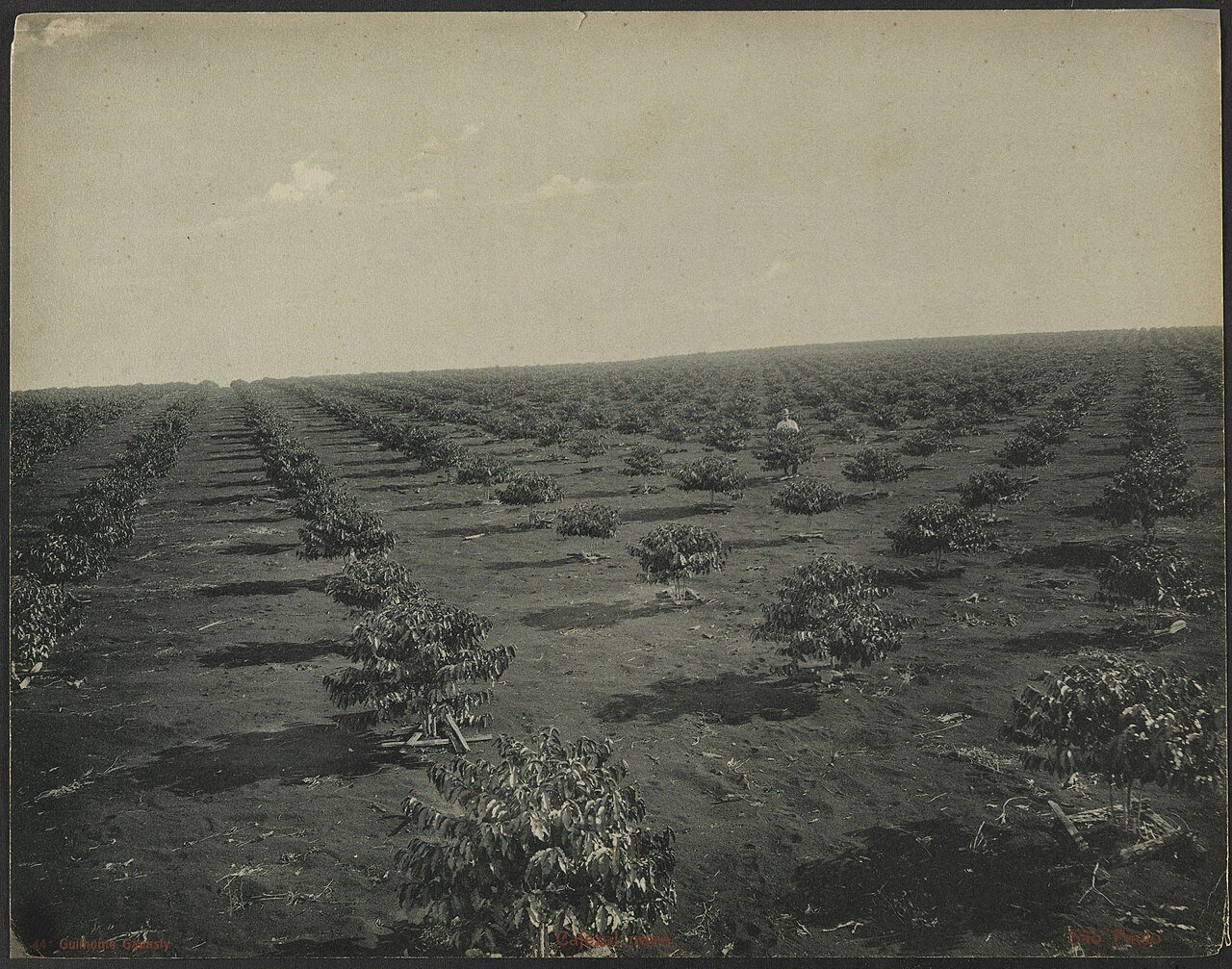
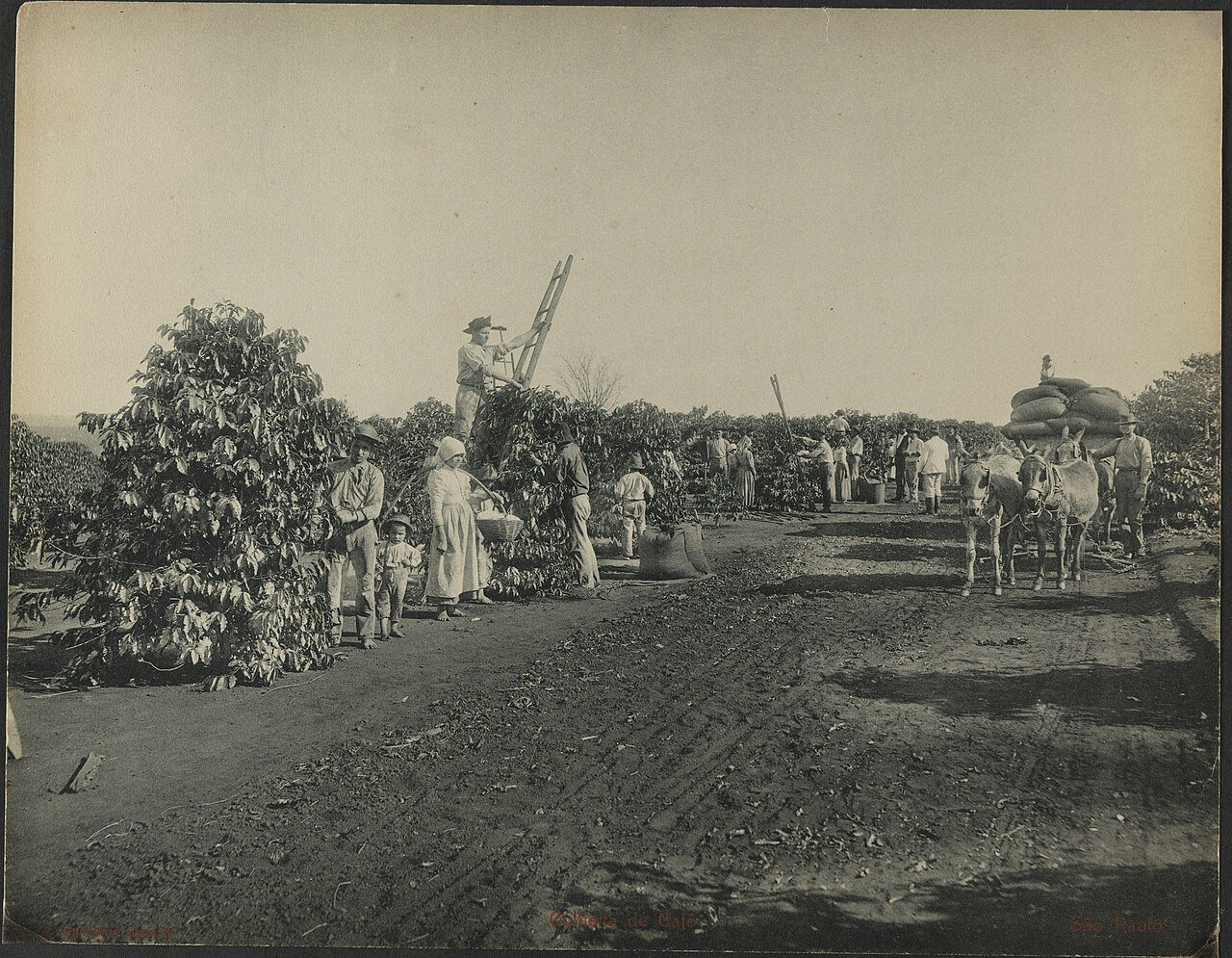
Coffee has shaped Brazil for a very long time. Wikipedia describes a major coffee boom running from the 1880s to the 1930s, a period of Brazilian politics known as café com leite, and notes that the first coffee economy grew up near São Paulo around the Santos coffee zone. The Port of Santos remains one of the best-known names in the coffee trade, and you will still see “Santos” in many descriptions of Brazilian coffee beans.
Over the twentieth century, production spread north and west into Minas Gerais, Espírito Santo, Bahia and Rondônia, helped by new varieties, irrigation and mechanisation. Today Brazil grows coffee on a scale no other country comes close to, and Brazilian coffee beans are part of blends on every continent.
Arabica regions and their flavour
Within Brazil, Arabica flavour changes with the region. As a general picture from the trade, rather than fixed rules:
- Southern Minas tends to give sweet, balanced coffees with chocolate and caramel notes.
- Cerrado Mineiro, on flatter, drier highlands, is known for consistent, clean naturals with nutty sweetness.
- Mogiana, on the São Paulo and Minas border, often produces sweet, full-bodied coffees.
- Bahia can produce brighter, fruitier coffees, especially from higher farms.
If you are buying Brazilian Arabica for a specific product, ask which region a lot comes from and cup a few side by side.
Arabica and Conilon: Brazil grows both
Brazil is unusual in growing large amounts of both species. Arabica makes up roughly two-thirds of the 2026/27 crop by the USDA’s figures, and Robusta, known in Brazil as Conilon, about one-third. The two come from different places: over 70% of Brazil’s Arabica grows in Minas Gerais, while about 70% of its Robusta grows in Espírito Santo (USDA).
Brazilian Arabica is typically sweet, nutty and chocolatey with low acidity. Brazilian Conilon is one of the smoothest Robustas, with less harshness than many other Robustas and good body and crema, which is why it is widely used in espresso and instant coffee. Our Brazilian Robusta coffee beans are Conilon. For Arabica, our African Arabica and Arabica coffee beans guide cover the options we supply. Our Arabica vs Robusta guide explains the species in detail.

Where Brazilian coffee beans grow
Wikipedia notes that Brazil’s coffee plantations, covering some 27,000 square kilometres, are mainly in the south-eastern states of Minas Gerais, São Paulo and Espírito Santo, with other important areas in states such as Bahia, Rondônia and Paraná. A few regions come up again and again when you buy Brazilian coffee beans:
- Minas Gerais, the largest coffee state, including well-known Arabica regions such as Southern Minas and the Cerrado Mineiro, both named in Brazil’s Cepea harvest reports (Cepea).
- Espírito Santo, the heart of Conilon production.
- São Paulo, the historic coffee state, including the Mogiana area.
- Bahia, with both Arabica and Conilon; the importer Melbourne Coffee Merchants gives Bahia’s harvest as running from June to October (MCM).
- Rondônia, a growing Conilon region in the north-west.
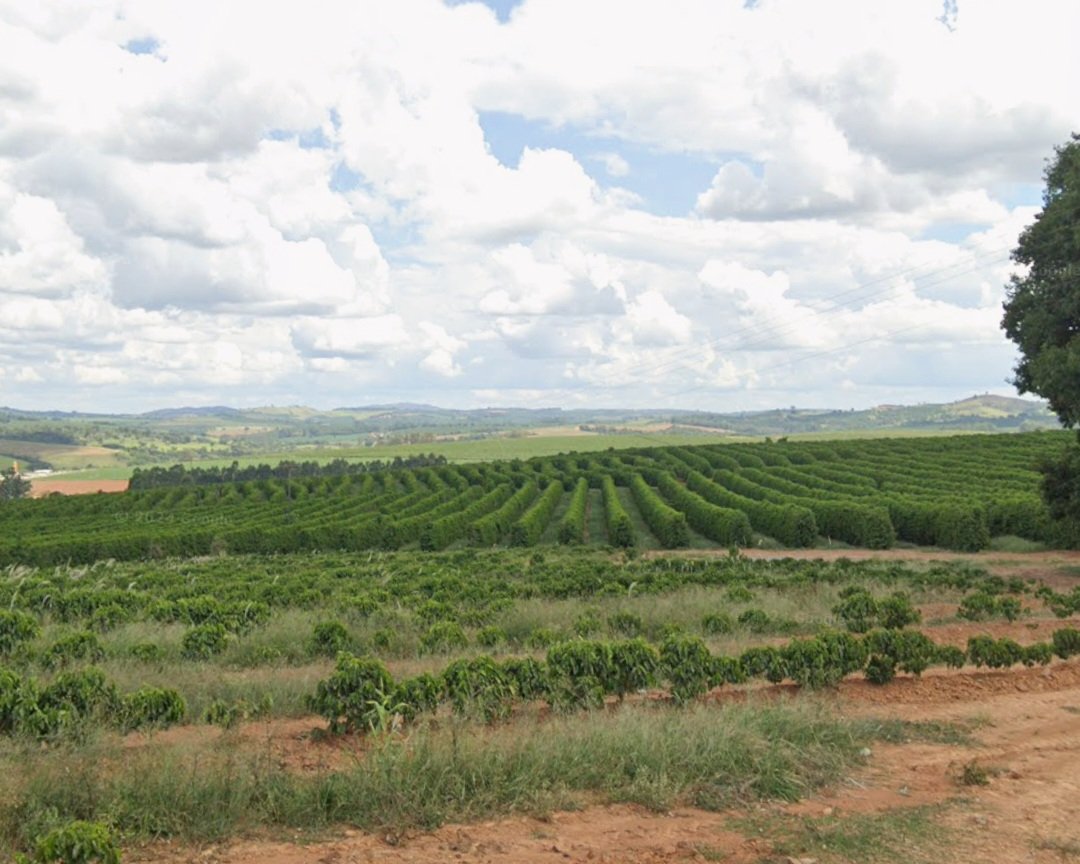
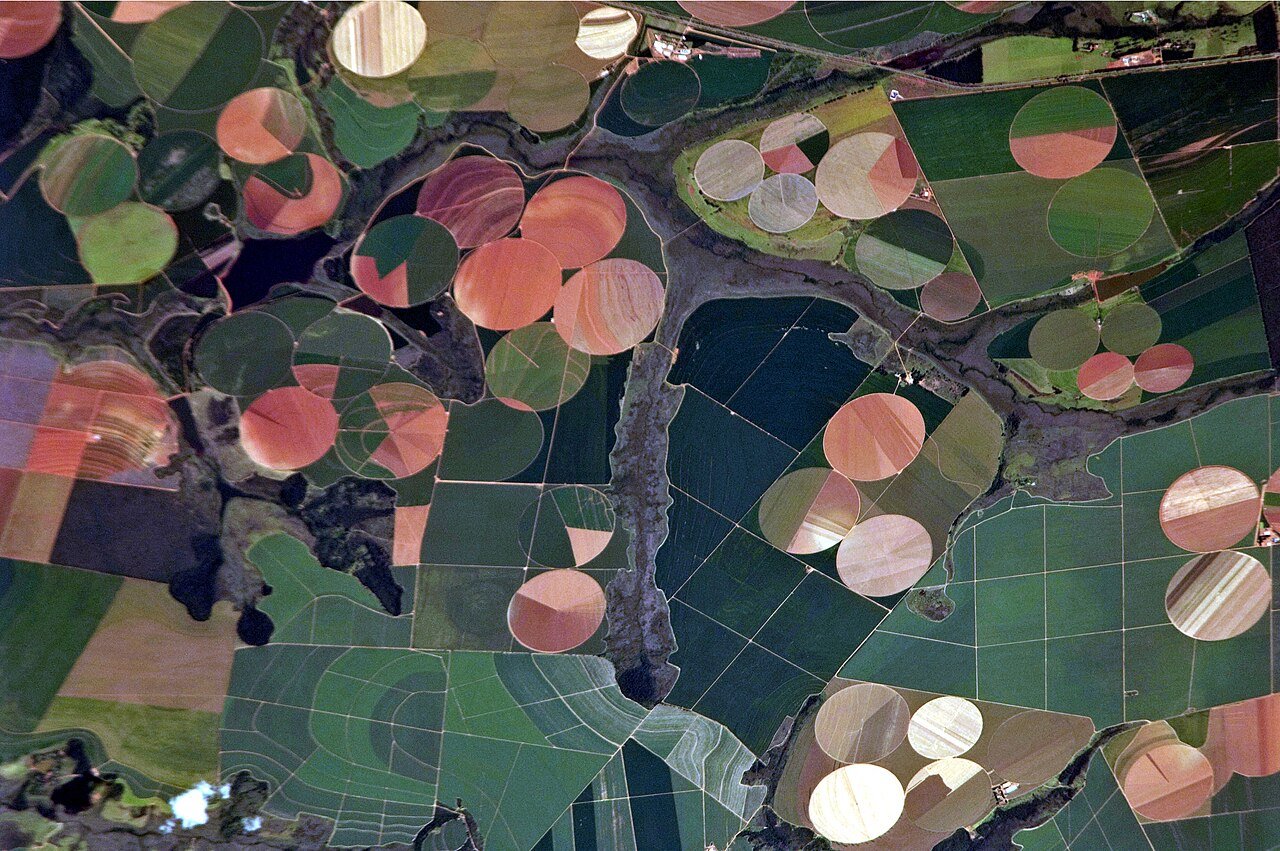
The USDA adds that Brazil’s Arabica is grown largely on elevated plateaus and rolling hills with fairly uniform weather, rather than the steep mountain microclimates typical of many other origins, and that the landscape supports mechanised pruning and harvesting (USDA). That is a big part of why Brazilian coffee beans are produced so efficiently and consistently.
How Brazilian coffee beans are processed
Processing is one of the biggest reasons Brazilian coffee beans taste the way they do. Wikipedia notes that while most countries process Arabica using the wet (washed) method, virtually all coffee in Brazil is processed using the dry method, also called unwashed or natural. The whole cherry is dried, usually on large patios or in mechanical dryers, before the fruit is removed.
Natural processing tends to give heavier body, more sweetness and lower acidity than washed coffee, with chocolate, nut and dried-fruit notes. Brazil also produces pulped natural coffee, where the skin is removed but some fruit is left on the bean while it dries, giving a cleaner cup that still keeps plenty of sweetness. Our guide to coffee processing methods explains the differences in detail.
When Brazilian coffee beans are harvested and shipped
Brazil is in the southern hemisphere, so its harvest comes in the middle of the calendar year. Here is how the 2026 season ran, using official and trade sources:
| Stage | Typical timing for Brazilian coffee beans | Source |
|---|---|---|
| Flowering | September and October | USDA |
| Conilon harvest | Under way while Arabica picking is still slow in early May | Cepea |
| Arabica harvest, Cerrado Mineiro | Usually begins in late May | Cepea |
| Harvest nearly complete | 97% complete by 26 August in 2026 | ICO |
| USDA marketing year | July to June | USDA |
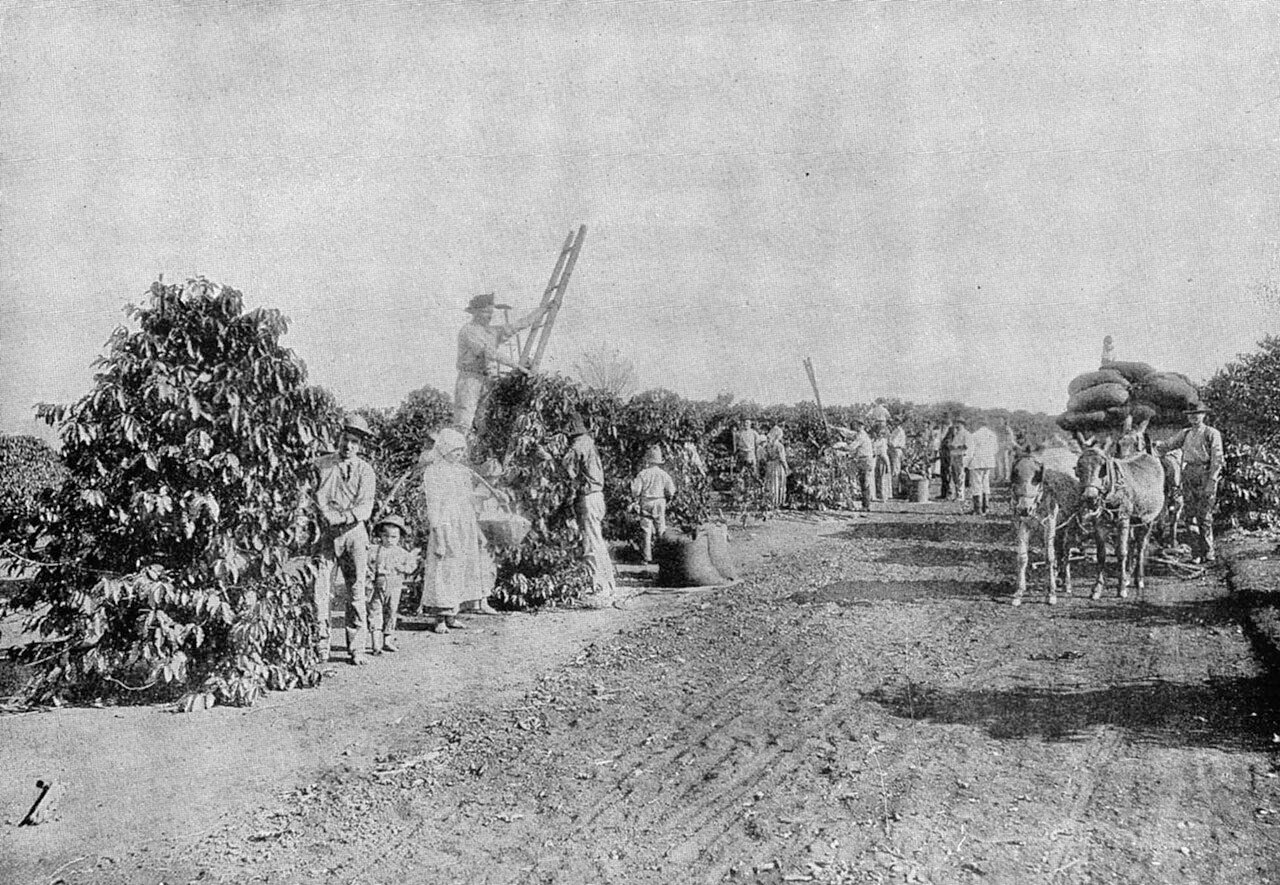
In its May 2026 harvest update, Brazil’s Cepea research centre reported that Robusta harvesting was progressing gradually while the Arabica harvest was still slow, with Southern Minas expected to pick up from the second half of May and the Cerrado Mineiro due to start in late May, which it described as typical (Cepea). By late August, the ICO reported the harvest as 97% complete (ICO).
After harvest, the coffee is dried, rested, milled, graded and bagged, so new-crop Brazilian coffee beans usually start shipping in the second half of the year. Our guide to the coffee harvest season compares Brazil with other origins.
The two-year cycle and what it does to prices
Brazilian Arabica follows a strong two-year rhythm. The USDA explains that Arabica trees alternate between high-yielding “on-years” and lower-yielding “off-years”, and that in Brazil, under normal conditions, the on-year crop can rise by 5 to 10 million bags and fall by a similar amount the following year. These swings account for most of the year-to-year change in world Arabica production (USDA).
Weather can make the swings even bigger. The USDA notes that drought and high temperatures cut Brazil’s 2021/22 off-year crop by 13.3 million bags, and that frost, heat and dry spells have hit several crops since. This is why buyers around the world watch Brazilian weather closely. A frost or drought in Minas Gerais can lift prices for every coffee you buy, not just Brazilian coffee beans.
How Brazilian coffee beans are priced
Brazilian Arabica is traded against the ICE Coffee “C” futures contract, the world benchmark for Arabica. On the exchange itself, ICE lists Brazil as deliverable at a 600-point discount to the basis (ICE). In the physical market, the ICO tracks natural Arabica in its Brazilian Naturals group, which averaged 290.19 US cents per pound in September 2026, compared with 356.15 cents for washed Colombian Milds and 167.49 cents for Robustas (ICO). Brazilian Conilon trades in the Robusta range.
In plain terms: Brazilian coffee beans are usually among the best-value coffees you can buy, especially in a big crop year like this one. Our guide to green coffee prices explains how a quote is built from the futures price, differential and costs.

How Brazilian coffee beans are graded
Brazil has its own grading language, which can look confusing at first. These are commonly used trade terms rather than a single formal standard, and exact definitions vary between exporters, so always ask for the full spec:
- Screen size: bean size, such as 17/18 for large beans or 14/16 for smaller ones.
- Type: a defect-based grade; lower numbers mean fewer defects.
- Cup description: terms such as “fine cup” or “strictly soft” describe how clean and smooth the coffee tastes.
- Processing: natural, pulped natural or, less often, washed.
- Moisture and crop year: how dry and how fresh the coffee is.
For Conilon, screen size, defects and moisture are the main things to check. Our guide to coffee bean grading explains grading systems around the world.
What Brazilian coffee beans taste like, and what they are good for
Brazilian Arabica is typically low in acidity and sweet, with chocolate, caramel, nut and sometimes dried-fruit notes. Brazilian Conilon is smooth for a Robusta, nutty and full-bodied, with a good crema. Together they make Brazilian coffee beans some of the most versatile in the world:
| Use | Why Brazilian coffee beans fit | Our guide |
|---|---|---|
| Espresso blends | Low acidity, chocolate and nut, good body; Conilon adds crema | Coffee beans for espresso |
| Milk drinks | Sweet, rounded flavour that stays smooth with milk | Espresso guide |
| Cold brew | Natural sweetness and low acidity suit long, cold extraction | Coffee beans for cold brew |
| Instant coffee | Conilon gives volume and yield at a sensible price | Coffee beans for instant coffee |
| Blend base | Huge, steady supply keeps blends consistent year after year | Wholesale green coffee beans |
Brazilian Conilon in detail
Conilon is the Brazilian name for Robusta. It grows mostly at low altitude in hot regions such as Espírito Santo, Rondônia and parts of Bahia. Compared with many other Robustas, Brazilian Conilon is known for a smoother, rounder cup with nutty and chocolate flavours and less of the rubbery harshness people associate with low-grade Robusta. That makes it one of the easiest Robustas to use in a blend. The ICO reports that Brazil’s 2026/27 Robusta crop is estimated at a record-breaking 25.1 million bags, up 11.1% on the previous year (ICO), so supply is strong.
Here are the specifications of our Brazilian Robusta coffee beans. We confirm the exact figures and crop year for each lot with every quote.
| Our Brazilian Conilon | Specification |
|---|---|
| Species | Coffea canephora (Conilon), green beans |
| Origin | Brazil |
| Process | Natural, washed on request |
| Screen | 16/18 or 18/20 |
| Moisture | Max 12% |
| Defects | Under 5% |
| Cup | Smooth, chocolate, nutty, low acid |
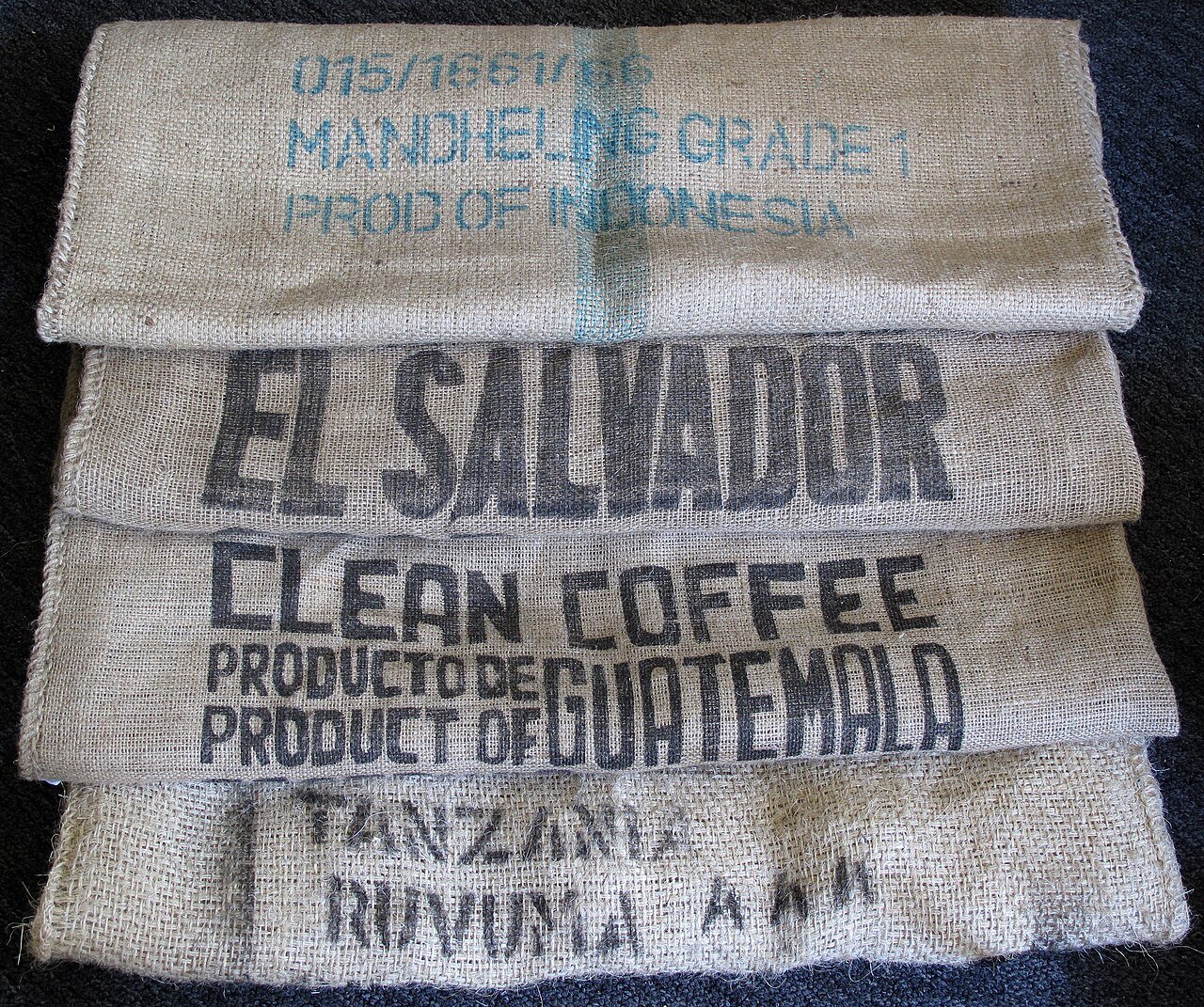
| Packing | 60 kg jute bags |
Blend ideas with Brazilian coffee beans
These are starting points we suggest for roasters, not fixed formulas. Roast components separately if they behave differently, pull test shots and adjust in 5% steps.
| Blend idea (our suggestion) | Recipe | Result |
|---|---|---|
| Smooth house espresso | 80% African Arabica + 20% Brazilian Conilon | Sweet, chocolatey, good crema |
| Strong milk blend | 65% African Arabica + 35% Brazilian Conilon | More body and crema for lattes |
| Two-Robusta strong blend | 50% Brazilian Conilon + 50% Vietnam Robusta | Bold, high caffeine, good value |
| Rich Robusta blend | 60% Brazilian Conilon + 40% Indian Robusta | Smooth body with clean bitterness |
Our guide to the best Robusta coffee beans compares Conilon with Robusta from India, Uganda, Vietnam and Indonesia.
Brazil’s exports and what they mean for supply
Brazil ships enormous volumes of coffee. The USDA forecasts Brazilian coffee bean exports at a record 45.0 million bags in 2026/27 (USDA). The ICO reports that Brazil’s exports of all forms of coffee rose 34.5% to 4.28 million bags in August 2026 as fresh supply from the new crop reached the market, and that Brazil’s Brazilian Naturals exports that month were the highest August level on record (ICO). The same report notes that Brazil accounted for an average of 72% of South America’s total coffee exports over coffee years 2020/21 to 2024/25.
For buyers, that scale means Brazilian coffee beans are rarely hard to find. The bigger questions are quality, grade and timing, and those depend on choosing the right lot and the right supplier.

Weather risks to watch
Because Brazil is so important, its weather affects everyone who buys coffee. The USDA notes that drought, high temperatures, frost and excessive rain have all hit Brazilian Arabica yields in recent years (USDA). Looking ahead, the ICO’s September 2026 report cites a greater than 90% chance of a very strong El Niño according to NOAA, while noting that September rainfall generally supported Brazilian flowering and early fruit set for the next crop, and that late-September heat and uncertainty about October rains remained risks (ICO).
For buyers of Brazilian coffee beans, the practical message is to keep an eye on flowering and rainfall reports from September to December, when the size of the next crop is being set, and to avoid leaving all your buying until the last minute.
Brazilian coffee beans compared with other origins
A quick comparison to help you decide where Brazilian coffee fits in your range. These are general patterns, not rules for every lot.
| Brazilian coffee beans | East African Arabica | Vietnamese Robusta | |
|---|---|---|---|
| Main processing | Natural | Mostly washed | Mostly natural |
| Typical flavour | Chocolate, nut, low acidity | Fruit, florals, bright acidity | Bold, strong, bitter-sweet |
| Supply | Very large and steady | Smaller, seasonal | Very large |
| Price level | Good value | Higher | Lower |
| Best role | Blend base, espresso | Single origins, filter | Strong blends, instant |
Many roasters use Brazilian coffee beans as the steady base of a blend and add East African Arabica for brightness or Asian Robusta for strength. Our guides to Vietnamese coffee beans and Ethiopian green coffee beans cover those origins.
Brazil drinks a lot of its own coffee
Brazil is not only the biggest producer; it is also one of the biggest consumers. The USDA forecasts Brazilian domestic consumption at 22.39 million bags in 2026/27 (USDA), among the largest of any country. That strong home market is one reason Brazil’s coffee industry is so well organised, from farm to mill to port, and it means a share of the crop never leaves the country.
Questions to ask about Brazilian coffee beans
- Is it Arabica or Conilon, and from which state or region?
- What screen size, type and cup description does it carry?
- Is it natural, pulped natural or washed?
- Which crop year, and was it affected by harvest rain?
- What moisture level and defect count?
- Can I have a sample of the actual lot?
Clear answers make it much easier to buy Brazilian coffee beans that suit your product.
How to buy Brazilian coffee beans
- Decide the species. Arabica for sweetness and aroma, Conilon for body, crema and value.
- Ask for the full spec: screen, type or defect count, cup description, processing, moisture and crop year.
- Cup a sample of the actual lot. This matters more than usual for the 2026/27 crop, given the ICO’s note about uneven quality across grades. Our coffee cupping guide explains how.
- Check the delivery terms and documents. Our guide to importing coffee beans covers Incoterms and paperwork.
- Check traceability if you sell in the EU. The European Commission says that from 30 December 2026, coffee placed on, sold within or exported from the EU must be deforestation-free (European Commission).
- Choose a reliable supplier. Our guide to choosing a green coffee supplier lists the checks to make.
Why Brazilian coffee is so consistent
Consistency is one of the main reasons roasters build blends on Brazilian coffee beans. The USDA points out that Brazil’s Arabica grows on elevated plateaus and rolling hills with fairly uniform weather, and that the landscape supports mechanised pruning and harvesting (USDA). Large farms, machine harvesting, big drying patios and modern mills mean lots can be produced to a repeatable standard in large volumes. The trade-off is that very distinctive, small-lot coffees are less common than in mountainous origins, although Brazil does produce excellent specialty lots too.
Brazilian coffee beans for instant coffee
Brazil is also a giant in soluble coffee. The USDA forecasts Brazil’s soluble coffee exports at 4.0 million bags (green bean equivalent) in 2026/27, the largest of any country in its table (USDA). Conilon is a popular raw material for instant coffee because it gives good yield, body and a sensible cost. If you make instant or extract-based products, Brazilian Conilon is well worth testing alongside Vietnamese Robusta. Our guide to coffee beans for instant coffee explains what manufacturers look for.
Planning a year around Brazilian coffee
Because Brazil harvests in the middle of the year, new-crop Brazilian coffee beans usually start shipping in the second half. A simple plan many roasters follow, offered here as our suggestion: sample new-crop lots once milling begins, contract for delivery from late in the year, and take coffee in several shipments through the following months.
If you use Brazilian coffee as a blend base, keep a few weeks of extra stock so a delayed ship never leaves you without it. Watch flowering and rainfall news from September onwards, because it hints at the size, and price, of the next crop.
Traceability for Brazilian coffee
If you sell coffee in the EU, traceability now matters as much as quality. The European Forest Institute explains that the EU Deforestation Regulation requires geolocation information for the plots where coffee was produced (European Forest Institute). Brazilian coffee often comes from large, well-mapped farms as well as many smaller producers, so ask your supplier what origin and traceability information comes with each lot of Brazilian coffee beans. Our guide to single origin coffee beans covers traceability in more depth.
How to check a Brazilian sample
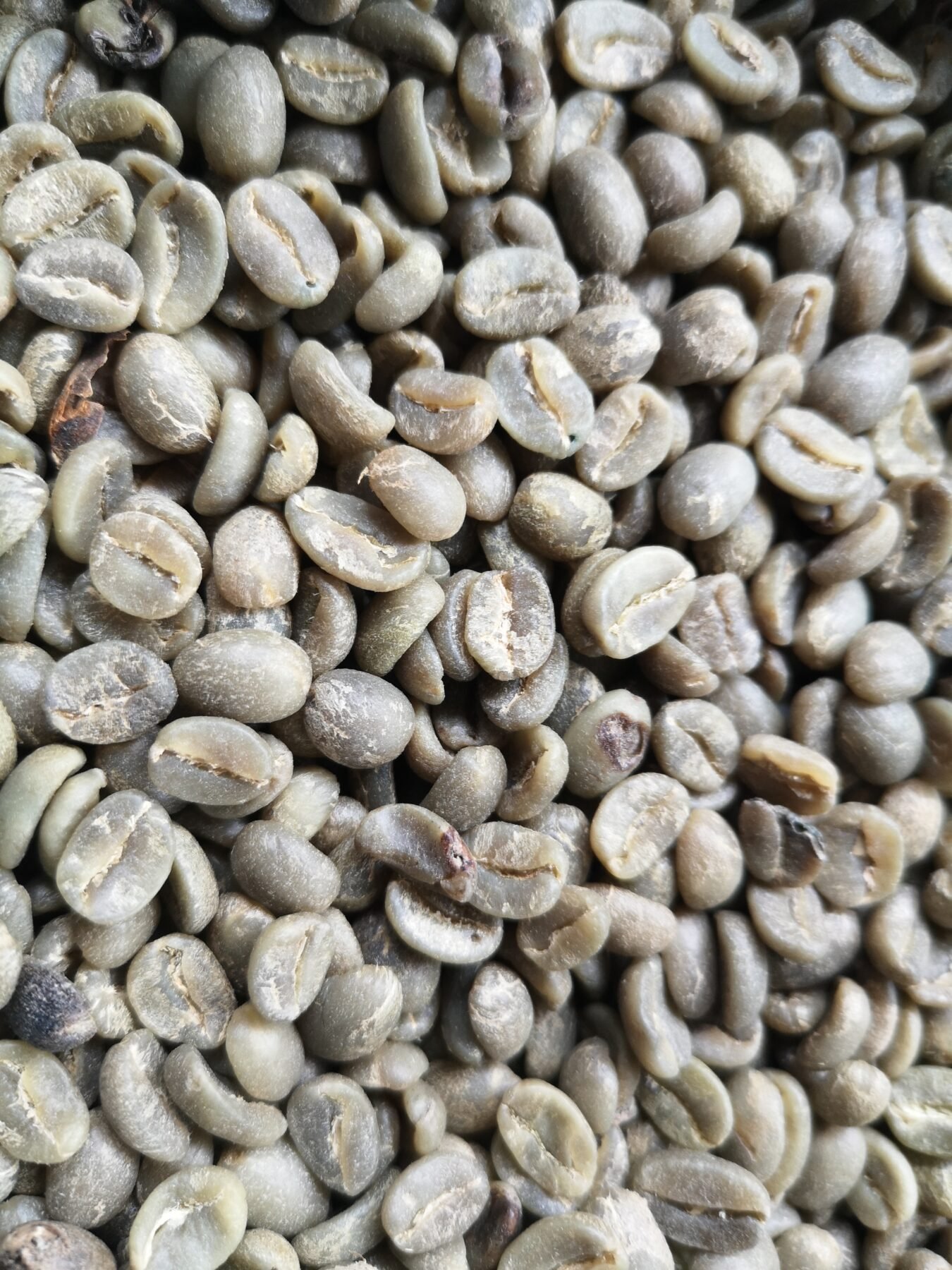
When a sample arrives, look first: beans should be even in size and colour for the stated screen, with few broken, black or insect-damaged beans. Smell it: clean and sweet, not musty or sour. Then roast it to the level you plan to use and taste it straight and, if relevant, with milk. For Arabica, look for sweetness, chocolate and clean finish.
For Conilon, look for smooth body and nutty sweetness without rubbery or earthy harshness. If the coffee will go into a blend, test it in the blend too. Our guide to coffee bean grading helps with the physical checks.
Brazilian specialty coffee
Brazil is best known for volume, but it also produces specialty coffee. Careful farms select ripe cherries, separate small lots, use pulped natural or carefully controlled natural processing, and dry slowly to bring out sweetness, fruit and complexity. These coffees can make excellent single origins and carry higher prices than commercial grades. If you are interested in specialty Brazilian coffee beans, ask about the farm or region, processing, cup score if available, and lot size, and always taste before buying.
What a container of Brazilian coffee looks like
Green coffee is usually shipped in standard containers. As a simple illustration using common trade numbers: a container loaded with around 320 jute bags of 60 kg each holds roughly 19.2 tonnes of coffee (our arithmetic). Exact loads vary with bag type, liners and the shipping line’s limits. If you don’t need a full container, you can buy fewer bags through an importer or share a container with other buyers. Our guide to wholesale green coffee beans explains order sizes and options.
Buying smart in a big crop year
A record Brazilian harvest is good news for buyers, but it is not a reason to stop being careful. Big crops can come with uneven quality, as the ICO noted for 2026/27, so the cheapest lot is not always the best value. Prices can also rebound if weather threatens the next crop.
A sensible approach, offered as our suggestion rather than financial advice, is to buy part of your needs while prices are favourable, stagger the rest, and focus on getting the right grade and cup for your product. That way you benefit from a strong year for Brazilian coffee beans without taking on unnecessary risk. Our guide to green coffee prices covers buying strategies in more detail.
Words you will see on Brazilian cupping notes
Cupping notes for Brazilian coffee often use the same handful of words. Chocolate, cocoa and caramel describe the sweet, roasty side; hazelnut, peanut and almond the nutty side; and dried fruit, raisin or ripe banana sometimes appear in naturals. Body is usually described as medium to full, acidity as low or mild. If you see words like “earthy”, “woody” or “fermented” on a Brazilian Arabica, ask more questions before buying, because they can point to processing or storage problems. For Conilon, “smooth”, “nutty” and “cocoa” are good signs; “rubbery” or “harsh” are not.
Brazilian coffee beans for cold brew
Cold brew extracts coffee slowly in cold water, which tends to bring out sweetness and body while keeping acidity low. That plays right into the natural strengths of Brazilian coffee beans. A natural Brazilian Arabica gives a smooth, chocolatey cold brew on its own, and a share of Conilon adds weight and a stronger caffeine hit for ready-to-drink products. Roast to medium or medium-dark and grind coarsely. Our guide to coffee beans for cold brew has more detail on recipes and ratios.
Roasting Brazilian coffee beans
Natural Brazilian Arabica roasts easily and usually shines at medium to medium-dark, where its chocolate and nut flavours come forward. Because naturals carry more sugar on the surface, watch for scorching early in the roast. Brazilian Conilon generally needs a medium-dark roast or darker to taste sweet rather than raw, and many roasters roast it separately from Arabica and blend afterwards. Our guide to roasting green coffee beans covers profiles and faults.
Storing Brazilian coffee beans
Like any green coffee, Brazilian coffee beans keep best cool, dry and away from strong smells, with bags off the floor and the oldest coffee used first. Natural coffees can pick up off-flavours if stored damp, so moisture control matters. Our guide to storing green coffee beans has full details, and our guide to unroasted coffee beans explains how long green coffee keeps.

Common mistakes when buying Brazilian coffee beans
- Assuming all Brazilian coffee tastes the same. Region, grade and processing change the cup.
- Buying without cupping. Especially in a crop with uneven quality.
- Ignoring the crop year. Past-crop naturals can taste flat.
- Using Conilon under-roasted. It needs enough development to taste sweet.
- Forgetting the price cycle. Brazil’s two-year cycle and weather can move prices fast.
- Comparing quotes on different terms. Always check the Incoterm.
Order Brazilian coffee beans from us
We supply green Brazilian Conilon Robusta in bulk, graded and checked before shipping, worldwide. Tell us how much you need, the grade you prefer and your delivery port through our contact page, and we will send a quote at current market levels, full specs and samples.
You can also browse our Robusta coffee beans and Arabica coffee beans, see all our products, compare origins such as Ugandan Robusta, Indonesia Robusta, African Robusta and Africa Arabica, read more about us, follow an order on our tracking page, or find more guides on our blog, including Vietnamese coffee beans, Ugandan coffee beans and single origin coffee beans.
Frequently asked questions about Brazilian coffee beans
Why is Brazil the biggest coffee producer?
Large areas of suitable land, efficient and often mechanised farming, and a long history: Brazil has been the world’s largest producer for about 150 years. The USDA puts it at nearly 40% of world production.
What do Brazilian coffee beans taste like?
Usually smooth and low in acidity, with chocolate, caramel and nut flavours. Conilon adds body and crema.
Are Brazilian coffee beans Arabica or Robusta?
Both. Roughly two-thirds of the 2026/27 crop is Arabica and one-third Conilon (Robusta), according to the USDA.
Why are most Brazilian coffees naturals?
Virtually all Brazilian coffee is dry-processed, according to Wikipedia, which suits the climate and large-scale farming.
When are Brazilian coffee beans harvested?
Mainly from around May to September, with Conilon starting earlier than Arabica in many areas.
How big is the 2026/27 Brazilian crop?
The USDA forecasts a record 71.9 million bags; Brazil’s CONAB estimates a record 67.6 million. Both point to a very large crop.
Are Brazilian coffee beans good for espresso?
Yes. Their low acidity, sweetness and body make them a classic espresso base, and Conilon adds crema.
Do you sell Brazilian Arabica?
Our Brazilian range is Conilon Robusta. For Arabica, we supply African Arabica and single-origin Africa Arabica lots.
Do you ship worldwide?
Yes, we ship green Brazilian coffee beans to buyers around the world.
Key takeaways
- Brazil is the world’s largest coffee producer, with nearly 40% of world output.
- Brazilian coffee beans include Arabica (mostly from Minas Gerais) and Conilon (mostly from Espírito Santo).
- Most are natural-processed: smooth, sweet, low-acid, chocolatey.
- The 2026/27 crop is a record, which has pushed prices down, but quality varies by grade.
- They make an excellent, good-value base for espresso, milk drinks, cold brew and instant coffee.
Sources and References
- USDA Foreign Agricultural Service: Coffee: World Markets and Trade (July 2026)
- International Coffee Organization: Coffee Market Report, September 2026
- Wikipedia: Coffee production in Brazil
- Cepea: Coffee harvest remains slow (May 2026)
- Melbourne Coffee Merchants: Harvest calendar
- ICE: Coffee “C” futures contract specifications
- European Commission: Deforestation Regulation implementation
Leave a Comment
Your email address will not be published. Required fields are marked *