A green coffee supplier sells unroasted coffee beans to roasters, importers, cafés and coffee brands. The right green coffee supplier gives you clear specifications for every lot, samples from the actual coffee you will receive, contracts written on recognised trade terms, honest pricing linked to the market, the right export paperwork, traceability you can rely on, and coffee that arrives as described. The wrong one can cost you money, time and customers. We are a green coffee supplier ourselves, shipping Arabica and Robusta worldwide, so this guide explains what to look for in any supplier, including us.
It covers the different kinds of supplier, nine checks to make before you buy, red flags, the questions to ask, how contracts and trade terms work, how traceability rules affect your choice, and how to build a relationship that lasts. Facts are linked to their sources. Checklists and advice are our own practical suggestions.

What a green coffee supplier does
Green coffee passes through several hands between the farm and your roaster. Different businesses play different roles, and any of them might call themselves a green coffee supplier:
| Type of green coffee supplier | Where they sit | Typical order size | Good for |
|---|---|---|---|
| Exporter at origin | In the producing country, buying from farms, cooperatives and mills | Usually full containers | Large buyers who import directly |
| Importer | In or near the consuming market, holding stock in local warehouses | From a few bags to containers | Small and mid-size roasters |
| Trader or merchant | Buys and sells across many origins and markets | Containers, often many at once | Large roasters and importers |
| Wholesaler or distributor | Resells green coffee to local roasters | Single bags upwards | Small roasters and start-ups |
| Small-lot or sample seller | Sells green coffee in kilos | A few kilos | Home roasters, product testing |
None of these is better than the others. The right green coffee supplier depends on how much you buy, how often, and how much of the importing work you want to do yourself.
Exporter, importer or trader: pros and cons
Buying from an exporter at origin. You deal closer to the source, often at a lower price per kilo, and you can build relationships with specific mills or cooperatives. But you usually buy full containers, handle the import yourself, and carry more risk around shipping, customs and financing. It suits larger buyers who import regularly.
Buying from an importer. The importer has already brought the coffee in, cleared customs and stored it near you. You pay a bit more per kilo for that service, but you can buy a few bags at a time, cup samples from stock, and collect quickly. For most small and mid-size roasters, an importer is the easiest green coffee supplier to work with.
Buying from a trader or merchant. Large trading houses offer a wide range of origins, big volumes and flexible contract structures, including price-to-be-fixed deals. They suit large roasters and soluble coffee producers who need steady supply and risk management.
Buying from a distributor. Distributors resell green coffee in small amounts, often with great service for start-ups. The price per kilo is usually higher, but the minimums are low.
Whichever type you choose, the nine checks above apply to every green coffee supplier.
Which kind of supplier suits you?
- Home or very small roaster: a small-lot seller or distributor, buying a few kilos or a bag at a time.
- Small commercial roaster: an importer or distributor holding stock near you, so you can buy a few bags as needed.
- Growing roaster or café group: an importer for most coffees, plus direct contracts for your main blend components.
- Large roaster, instant coffee maker or importer: exporters and traders, buying by the container with forward contracts.
Many businesses use more than one green coffee supplier, so they are never dependent on a single source. Our guide to wholesale green coffee beans covers order sizes in more detail.
Nine checks before you choose a green coffee supplier
1. Clear specifications for every lot
A good green coffee supplier tells you exactly what you are buying: origin, species, processing, grade, screen size, moisture, defect count and crop year. If a quote just says “Robusta, good quality”, ask for the full spec. Vague descriptions make it impossible to compare offers or to hold anyone to account if the coffee disappoints. Our guide to coffee bean grading explains what each spec means.
2. Samples from the actual lot
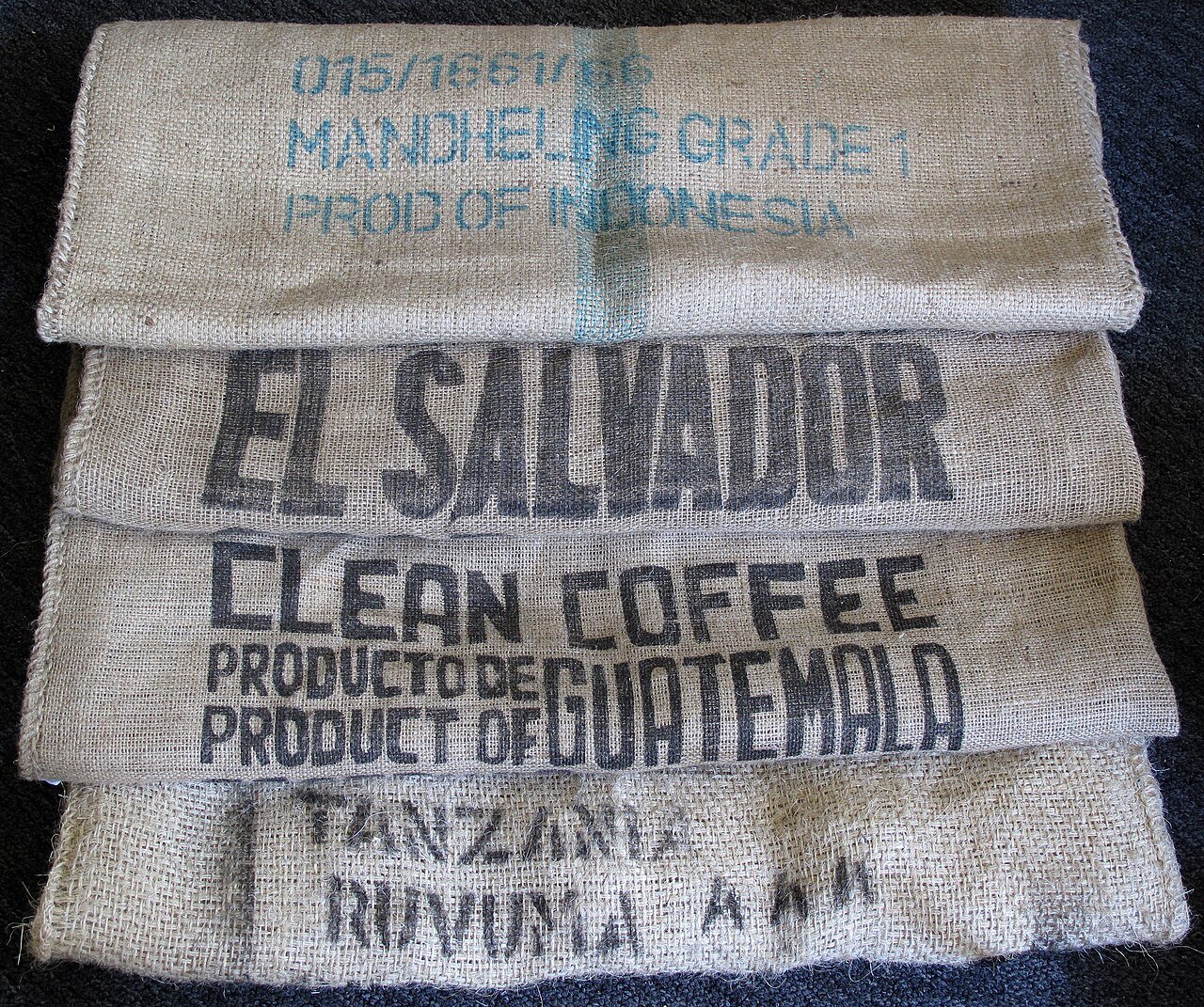
A trustworthy green coffee supplier sends samples, and for larger orders a pre-shipment sample drawn from the exact lot you will receive. You cup it, approve it, and keep part of it sealed so you can compare it with the delivered coffee. If a supplier will not send samples, or only sends a “type” sample that is not from the real lot, be careful. Our guide to coffee cupping explains how to judge samples.

3. Contracts on recognised trade terms
The coffee trade has standard contracts so both sides know their rights. In Europe, the European Coffee Federation provides a common contract that is well established in the sector; FoodDrinkEurope explains that the first edition of the European Standard Contract for Coffee (ESCC) was published in 2018, combining earlier European coffee contracts, and that it is lodged with arbitral bodies across Europe (FoodDrinkEurope). In the United States, the New York-based Green Coffee Association is a trade association for companies involved in exporting, shipping, storing, insuring, financing, importing, trading and roasting green coffee, and it publishes its own contract terms and conditions (Tea & Coffee Trade Journal).
You don’t need to be a lawyer, but you should know which terms your contract follows. A green coffee supplier who works on recognised terms gives you a clear framework, including what happens if there is a dispute about quality or delivery.
4. Clear delivery terms (Incoterms)
Every offer should say who pays for transport, insurance and other costs, and where responsibility passes from seller to buyer. That is what Incoterms do. The International Chamber of Commerce describes the Incoterms rules as a set of eleven three-letter trade terms reflecting business-to-business practice in contracts for the sale of goods (ICC). In coffee, you will mostly see FOB, CFR and CIF. A good green coffee supplier states the Incoterm on every quote, so you can compare prices fairly. Our guide to importing coffee beans explains each term in plain language.
5. The right export documents
Coffee crossing borders needs paperwork. A typical shipment comes with a commercial invoice, packing list, bill of lading, certificate of origin and phytosanitary certificate, and some markets need more. An experienced green coffee supplier prepares these as standard and checks that weights, marks and names match across every document, because mismatches can hold a container at port. Ask which documents come with each shipment and whether the supplier can add anything your country requires.
6. Traceability you can rely on
Knowing where your coffee was grown matters more every year, and in Europe it is becoming a legal requirement. The European Commission states that from 30 December 2026, products placed on, sold within or exported from the EU must be free from deforestation under the EU Deforestation Regulation, and coffee is covered (European Commission). The European Forest Institute explains that this requires geolocation data for the plots where the coffee was produced (European Forest Institute).
So if you sell into the EU, ask any green coffee supplier what traceability information they can provide for each lot and how they support due diligence. Even outside the EU, a supplier who knows where their coffee comes from is usually one who controls quality better. Our guide to single origin coffee beans covers traceability in more detail.

7. Transparent, market-linked pricing
Green coffee prices move every day. The International Coffee Organization measured the volatility of its composite price at 10.0% in September 2026, with the composite averaging 262.18 US cents per pound that month (ICO). A good green coffee supplier explains how a quote is built: the market reference, the differential for origin and quality, and the costs included under the stated Incoterm. Be wary of a supplier who can’t or won’t explain a price, or who quotes far below the market without a clear reason. Our guide to green coffee prices shows how prices are put together.
8. Sensible payment terms
Common payment methods in the coffee trade include cash against documents (you pay when the bank releases the shipping documents), letters of credit, and part-payment in advance with the balance against documents. Each balances risk differently between buyer and seller. As general good practice, be cautious about paying large sums fully in advance to a green coffee supplier you have never worked with, especially if you can’t verify who they are. Start smaller, use payment methods linked to shipping documents where possible, and talk to your bank about options.
9. Reliable logistics and communication
Coffee only helps your business if it arrives on time and as described. Ask how a green coffee supplier handles shipping, how they pack coffee (jute, hermetic liners, container lining), how they keep you updated, and what happens if something goes wrong. Fast, clear replies before you buy are a good sign of how they will behave after. Our guide to storing green coffee beans explains why packing and moisture matter.

Red flags when choosing a green coffee supplier
Most suppliers are honest, but it pays to watch for warning signs. These are general cautions, not accusations against anyone:
- Prices far below the market with no explanation.
- No samples, or samples that clearly don’t come from the lot on offer.
- Vague specs: no grade, moisture, defect count or crop year.
- Pressure to pay everything up front, quickly, by an unusual method.
- No clear contract terms or refusal to name an Incoterm.
- No company details you can check, or details that change.
- No answers on traceability or documents.
If you see several of these together, walk away. A good green coffee supplier will be happy to answer questions and to start with a small, low-risk order.
How coffee quality is checked in the trade
Quality checks happen at several points: at the farm and mill, by the exporter, by the green coffee supplier, and by you. The futures market itself relies on checks too. ICE explains that for coffee delivered against its Coffee “C” contract, a notice of certification is issued based on testing the grade of the beans and cup testing for flavour, with better coffees at a premium and lesser ones at a discount (ICE). Physical buyers use the same two tools: physical grading and cupping. A good supplier welcomes both.

What happens if something goes wrong?
Even with a good green coffee supplier, problems happen: a container is delayed, bags arrive wet, or the coffee doesn’t match the approved sample. This is where your contract, documents and insurance matter.
- Quality disputes. Standard coffee contracts include procedures for quality claims, often involving independent arbitration. FoodDrinkEurope notes that the European Standard Contract for Coffee is lodged with arbitral bodies across Europe (FoodDrinkEurope). Keeping a sealed part of the approved pre-shipment sample gives you something to compare against.
- Damage in transit. Cargo insurance covers many transit risks. Check the arriving coffee immediately, photograph any damage and notify the supplier and insurer quickly.
- Late shipment. Contracts usually set a shipment period. Talk to your supplier early if timing slips, and keep a stock buffer.
A professional green coffee supplier will want to resolve problems fairly, because their reputation depends on it. How a supplier handles the first problem tells you a lot about whether to keep working with them.
Certifications and claims
If you need certified coffee, such as organic or another sustainability certification, ask your green coffee supplier for valid certificates that cover the specific lot, and check that the certification chain continues to you if you plan to make claims on your own packaging. Don’t assume a coffee is certified because it comes from a region known for certified farms. The same caution applies to any claim about farms, producers or practices: only repeat what your supplier can document.
Online marketplaces and brokers
You can find green coffee through online marketplaces, trade platforms and brokers as well as directly. These can be useful for discovering new origins and comparing offers. But the same checks apply: who is the actual seller, what exactly is the lot, can you get a real sample, which contract and Incoterm apply, and how is payment protected? A platform or broker is a route to a green coffee supplier, not a guarantee of one.
How a good supplier helps you grow
The right green coffee supplier does more than ship coffee. They can tell you when new crops will arrive, suggest alternatives when an origin is short, help you plan yearly volumes, advise on packing for your climate, and send samples of new coffees that might suit your range. As your business grows, they can move you from bags to containers and from spot purchases to forward contracts. That kind of support is worth more than a small discount per kilo.
A printable supplier checklist
Use this before you sign with any green coffee supplier:
- Company details checked and contact confirmed
- Full lot specifications received in writing
- Offer sample cupped and approved
- Pre-shipment sample agreed for larger orders
- Contract terms named (for example ESCC or GCA)
- Incoterm stated and landed cost calculated
- Payment method agreed and risk understood
- Document list confirmed for your market
- Traceability information confirmed where needed
- Shipment period and transit time confirmed
- Claims and dispute process understood
What a green coffee supplier needs from you
Good relationships work both ways. To give you the best coffee and price, a green coffee supplier needs some information from you: roughly how much you roast each month, what products you make, which flavours you are aiming for, your budget, your delivery port and any documents or certifications your market requires. The clearer you are, the better the offers you will receive. A short note covering these points in your first message saves a lot of back and forth.
Local or overseas supplier?
A local green coffee supplier, usually an importer or distributor in your country, can deliver quickly in small amounts and handles customs for you. An overseas supplier, such as an exporter or an international supplier like us, can often offer lower prices per kilo on larger volumes and a wider range of origins, but you or your forwarder handle the import. Many buyers use both: local stock for flexibility and overseas contracts for their main coffees. If importing is new to you, our guide to importing coffee beans walks through the process.
Stock, seasons and availability
Every origin has its own harvest, so availability changes through the year. A good green coffee supplier will tell you when new crop is expected, which lots are past crop, and how long current stock will last. Ask about this before you build a product around a particular coffee, especially a small single origin. Our guide to the coffee harvest season explains the timing for each origin.
Fair dealing and sustainability
How a green coffee supplier buys coffee matters too. Ask how they work with producers, whether they can tell you about the mills or cooperatives behind their lots, and how they handle traceability. Suppliers who pay fairly for good coffee and build long relationships at origin tend to deliver more consistent quality over time. It is also increasingly what your own customers ask about.
A sample first year with a new supplier
Here is an illustrative timeline, our suggestion rather than a rule, for starting with a new green coffee supplier:
- Month 1: share your needs, receive quotes and offer samples, cup them against your current coffee.
- Month 2: place a small trial order on clear terms.
- Months 3 to 4: receive the coffee, check it against the sample, roast it in production and gather feedback.
- Month 5: if all went well, agree a larger volume or a contract covering several shipments.
- Months 6 to 12: take staged deliveries, give feedback on each lot, and plan next year’s origins around the harvest calendar.
By the end of the year you will know whether this green coffee supplier is a long-term partner, without having taken big risks along the way.
What to put in your first message
When you contact a green coffee supplier for the first time, a clear message gets better answers. Include:
- Your business type and what you make (espresso blend, single origins, instant, cold brew).
- The coffees or flavour profile you are looking for.
- How much you need now and roughly per year.
- Your delivery country and port.
- Any documents, certifications or traceability information you require.
- Whether you would like samples first.
With that, a good green coffee supplier can come back with relevant offers rather than a generic price list.
Packaging options to ask about
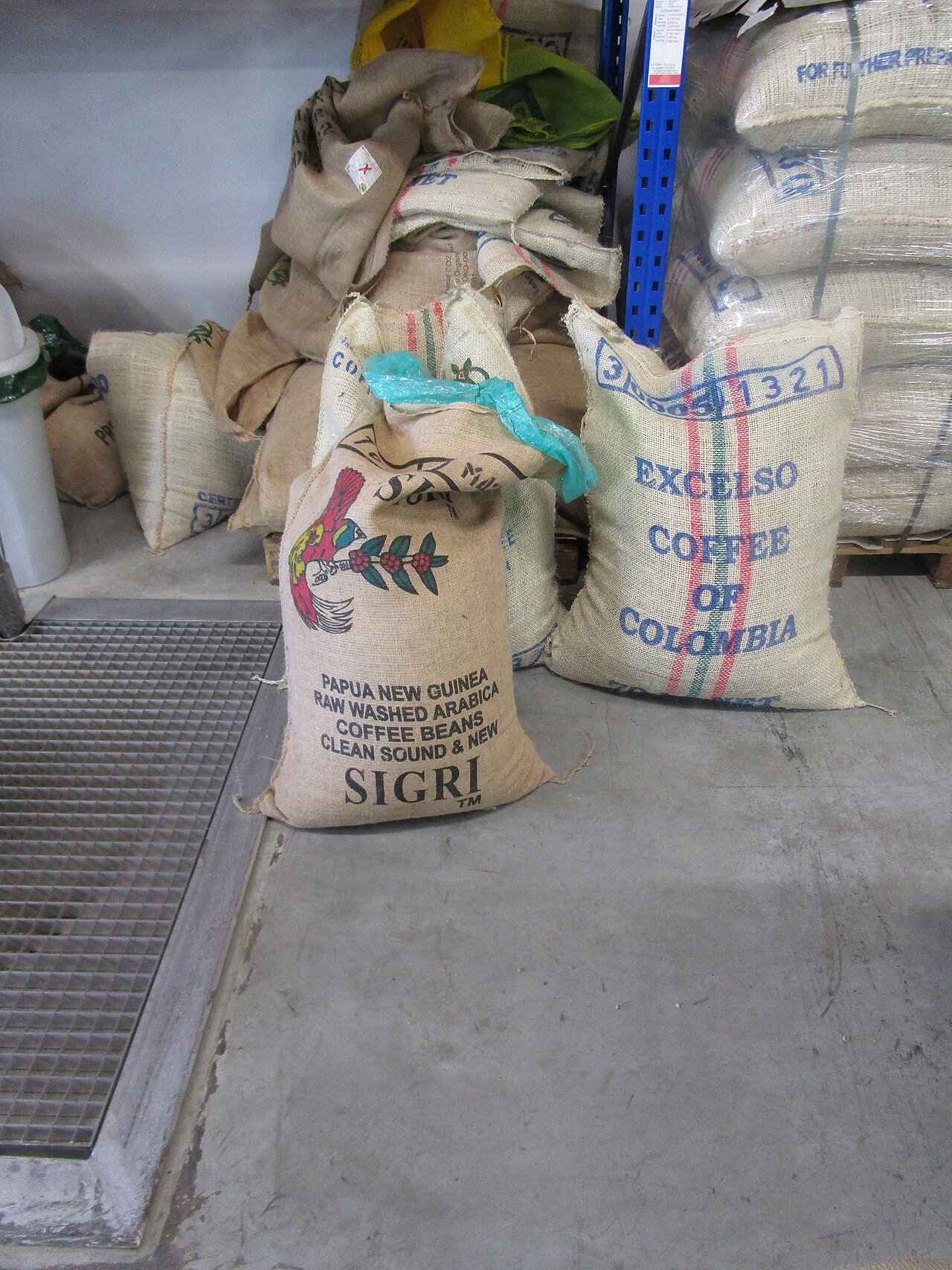
How coffee is packed affects how well it survives the journey and storage. Most green coffee ships in jute or sisal bags. Higher-value coffee is often packed with hermetic liners inside the bags to limit moisture and oxygen exchange, and very large Robusta buyers sometimes receive coffee in bulk inside lined containers. Ask your supplier which options they offer and what they recommend for your climate and how long you plan to store the coffee.
Signs of a good long-term partner
After a few orders, you will know whether a green coffee supplier is right for you. Good signs include: coffee that consistently matches samples, documents that are always correct, honest warnings about delays or quality issues, helpful suggestions when an origin is short, and prices you can understand. If you find a supplier like that, it is usually worth staying with them even when someone else offers a slightly lower price.
Questions to ask a green coffee supplier
- What exactly is this lot: origin, species, processing, grade, screen, moisture, defects and crop year?
- Can you send a sample now, and a pre-shipment sample from the same lot later?
- Which contract terms do you use?
- Which Incoterm is the price based on, and what costs does it include?
- How is the price built, and is it fixed or linked to the futures market?
- What payment terms do you offer?
- Which documents come with the shipment?
- What traceability information can you provide?
- How is the coffee packed and shipped, and how long is transit to my port?
- What happens if the coffee arrives damaged or doesn’t match the sample?
- Will similar coffee be available next year?
A good green coffee supplier will answer these quickly and in writing.
Comparing two quotes: a worked example
Here is an illustrative comparison, with made-up offers, to show why the cheapest quote isn’t always the best:
| Quote A | Quote B | |
|---|---|---|
| Coffee | “Uganda Robusta” | Uganda Robusta, natural, Screen 18, moisture max 12%, defects under 5%, crop 2026/27 |
| Price | Lower per kilo | Slightly higher per kilo |
| Incoterm | Not stated | CFR to your port |
| Sample | “Available later” | Pre-shipment sample from the lot |
| Contract | No standard terms | Recognised trade terms named |
| Payment | 100% in advance | Against shipping documents |
Quote A looks cheaper, but you don’t know exactly what you are getting, who pays for shipping, whether the coffee matches any sample, or what happens if it doesn’t, and you carry all the payment risk. Quote B costs a little more but tells you everything and shares the risk sensibly. For most buyers, Quote B is the better deal. That is the kind of green coffee supplier worth working with.
Start with a trial order
The safest way to test a new green coffee supplier is a small trial order. Buy a few bags of one coffee you know well, so you can compare it with your current supply. Check how the sample, the paperwork, the communication and the delivered coffee all measure up. If everything matches, scale up. If something goes wrong, you have learned cheaply.
Building a long-term relationship
The best results come from working with a green coffee supplier over time. Some habits that help on both sides:
- Share forecasts. Tell your supplier roughly how much you will need each year, so they can plan stock and offer better terms.
- Give feedback. Tell them what you liked and didn’t about each lot.
- Pay on time. Reliable buyers get first choice of good lots.
- Plan around harvests. Agree which origins you want across the year. Our guide to the coffee harvest season helps.
- Stage shipments. Contract a yearly volume and take it in several deliveries to keep coffee fresh.
One supplier or several?
Many businesses work with two or three suppliers: a main green coffee supplier for core coffees and others for specialty lots or as backup. That spreads risk if one shipment is delayed or one origin has a poor harvest. On the other hand, buying several coffees from one supplier can simplify paperwork and combine shipments. A sensible approach is one main supplier you trust, plus at least one alternative you have tested.
Choosing a supplier for your product
Different products need different things from a green coffee supplier:
- Espresso blends: consistent Arabica and clean Robusta in steady supply. See our guide to coffee beans for espresso.
- Instant coffee: large volumes of Robusta at a sensible price. See coffee beans for instant coffee.
- Cold brew: sweet, low-acid coffees. See coffee beans for cold brew.
- Single origins: traceable, distinctive lots. See single origin coffee beans.
- Robusta-led products: clean, graded Robusta. See the best Robusta coffee beans.
Where the coffee comes from
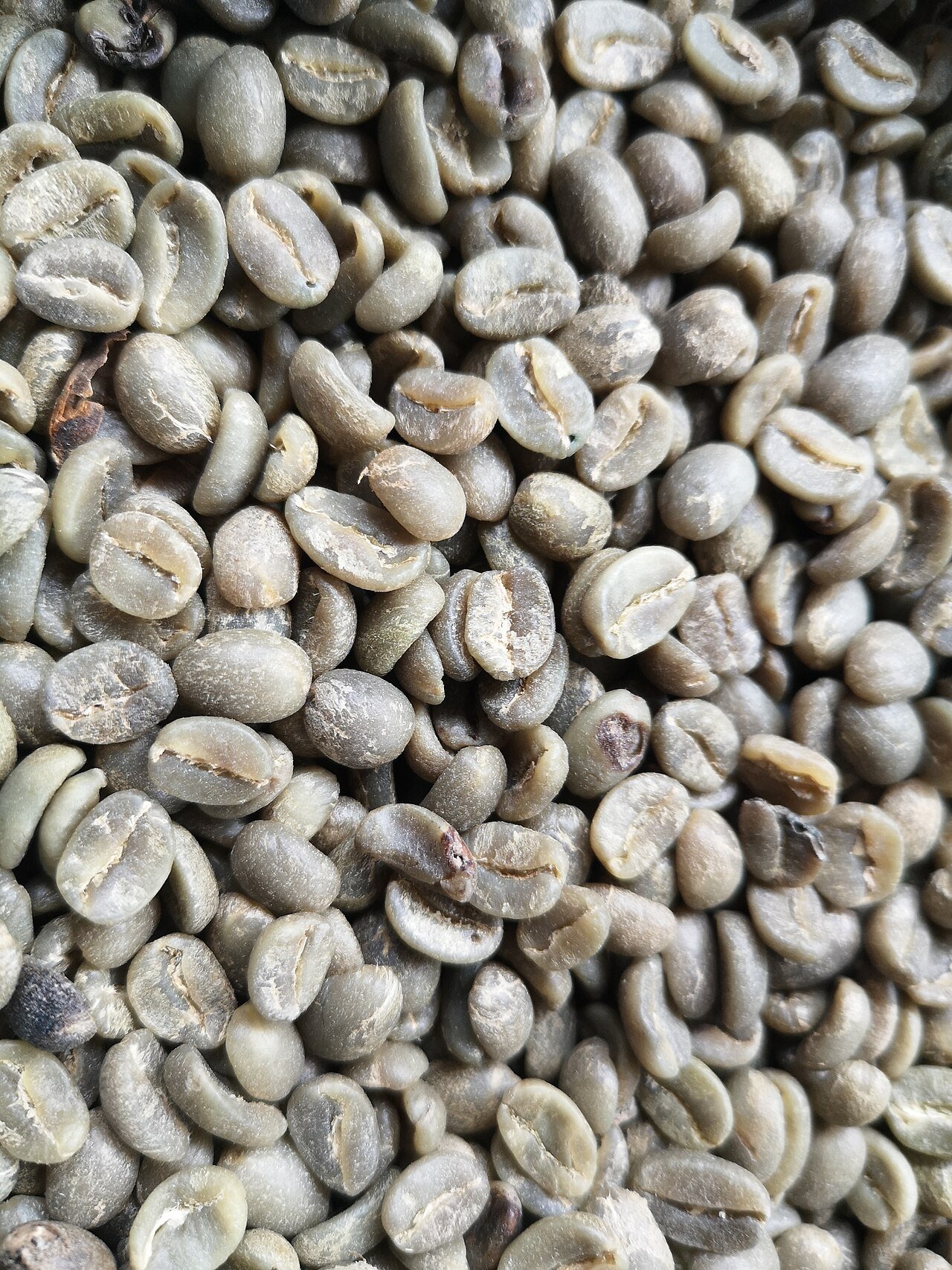
A green coffee supplier can only sell what origins produce. The USDA forecasts 2026/27 production at 71.9 million 60 kg bags for Brazil, 32.5 million for Vietnam, 13.4 million for Colombia, 12.1 million for Ethiopia, 11.4 million for Indonesia, 7.16 million for Uganda and 6.14 million for India (USDA). Suppliers with access to big origins can offer steady volumes; smaller origins and specialty lots come and go with each harvest.
Small roasters and large buyers need different things
A small roaster usually values flexibility most: low minimums, quick samples, help choosing coffees and the option to buy a few bags at a time. A large buyer values volume, consistency, contract structure and price risk management. When you speak to a green coffee supplier, be honest about which group you are in today and where you expect to be in a year or two. A supplier who can grow with you, starting with trial orders and moving to container contracts when you are ready, saves you having to switch later.
Either way, the basics never change: clear specs, real samples, recognised terms, sensible payment, proper documents and honest communication. Those are what separate a reliable green coffee supplier from a risky one, whatever the size of your business.
Working with us as your green coffee supplier
We are a green coffee supplier focused on bulk Arabica and Robusta, shipped worldwide. Here is what you can expect when you ask us for coffee:
- A quote based on current market levels, with the Incoterm and what it includes stated clearly.
- Full specifications for the lot: origin, processing, grade, screen size, moisture, defects and crop year.
- Samples so you can cup and test the coffee before committing.
- Standard export documents with each shipment, and any extra documents your market needs where we can provide them.
- Help planning orders around harvests, and trial orders for new customers.
These are the specs we confirm for each of our coffees:
| Our coffee | Typical specs we confirm with each quote |
|---|---|
| Vietnam Robusta | Screen 16/18, natural, low black and broken bean limits, moisture |
| Brazilian Robusta | Screen, natural or washed, moisture, defects, crop year |
| Ugandan Robusta | Screen 15 to 18, natural or washed, moisture, defects |
| Indian Robusta | Cherry or Parchment, screen, moisture, defects |
| Indonesia Robusta | Grade, screen, process, moisture, crop year |
| African Robusta | Country, screen, process, moisture, defects |
| African Arabica | Origin, process, screen, moisture, cup notes |
| Africa Arabica | Country and region, process, grade, crop year |

For a full buyer’s guide to origins, varieties, grades and prices, see our guide to Arabica coffee beans.
Common mistakes when choosing a green coffee supplier
- Choosing on price alone. Missing specs, samples or terms can cost far more than a few cents per kilo.
- Skipping samples. Always cup the actual lot.
- Paying large sums up front to an unknown seller. Start small and link payment to documents.
- Ignoring the Incoterm. Compare landed costs, not headline prices.
- Forgetting traceability. Especially if you sell into the EU.
- Relying on one source. Have a tested backup.
- Not putting it in writing. Specs, terms and samples should all be documented.
Why transparency matters so much in green coffee
Green coffee is a natural product traded across long distances, often between people who have never met. Buyers can’t see the coffee being picked, processed or loaded. That is why the trade leans so heavily on written specs, samples, standard contracts and documents: they turn trust into something you can check. A transparent green coffee supplier makes all of this easy. They share the details up front, explain how prices are built, flag problems early and put everything in writing.
Transparency also protects the supplier. Clear specs and approved samples mean fewer disputes, and buyers who understand their contracts are easier to work with. We believe being open about what we sell is simply the most practical way to trade, and it is what we would expect of any supplier we bought from ourselves.
Talk to us about your green coffee needs
Tell us which coffees you use, how much, and where you are through our contact page. We will send a quote at current market levels, the full specs and samples. You can browse our Arabica coffee beans and Robusta coffee beans, see all our products, read more about us, follow an order on our tracking page, or find more guides on our blog, including roasting green coffee beans, coffee processing methods and Arabica vs Robusta.
Frequently asked questions about choosing a green coffee supplier
What is a green coffee supplier?
A business that sells unroasted coffee beans to roasters, importers and coffee brands. It may be an exporter, importer, trader, distributor or small-lot seller.
How do I know if a green coffee supplier is reliable?
Look for clear specs, real samples from the lot, recognised contract terms, a stated Incoterm, proper documents, traceability and clear communication. Start with a trial order.
What contract terms are standard in coffee?
In Europe, the European Coffee Federation’s European Standard Contract for Coffee is widely used; in the US, the Green Coffee Association publishes contract terms and conditions.
What are Incoterms?
Standard trade terms published by the International Chamber of Commerce, a set of eleven three-letter terms. FOB, CFR and CIF are common in coffee.
Should I pay in advance?
Be cautious about paying large amounts fully in advance to an unfamiliar supplier. Payment against shipping documents or a letter of credit usually shares risk more fairly.
Do I need traceability from my supplier?
If you sell coffee in the EU, yes: from 30 December 2026, coffee must be deforestation-free under the EUDR, which requires plot geolocation. Elsewhere, it is increasingly expected.
How many suppliers should I use?
Many businesses use one main supplier plus a tested backup.
Can I order a small trial?
Yes. We offer trial orders so you can test our coffee and service before scaling up.
Do you ship worldwide?
Yes. We ship green coffee to buyers around the world.
What information should I give a green coffee supplier?
Your business type, the coffees or flavours you want, volumes, delivery port, required documents or certifications, and whether you want samples first.
Key takeaways
- A good green coffee supplier gives full specs, real samples, recognised contract terms, a clear Incoterm, proper documents and traceability.
- Compare quotes on the same basis, not on headline price.
- Be careful with large advance payments to unknown sellers; start with a trial.
- Traceability is becoming a legal requirement for coffee sold in the EU.
- Long-term relationships, forecasts and staged shipments get the best results.
Sources and References
- FoodDrinkEurope: European Standard Contract for Coffee
- Tea & Coffee Trade Journal: Green Coffee Association contract terms and conditions
- International Chamber of Commerce: Incoterms rules
- ICE: Coffee “C” futures contract specifications
- European Commission: Deforestation Regulation implementation
- European Forest Institute: Geolocation requirements under the EUDR
- International Coffee Organization: Coffee Market Report, September 2026
- USDA Foreign Agricultural Service: Coffee: World Markets and Trade (July 2026)
Leave a Comment
Your email address will not be published. Required fields are marked *