The best coffee beans for cold brew are low-acid, full-bodied coffees with a lot of chocolate and nut in them, roasted medium to medium-dark. In practice that means natural-processed Brazilian and Indian beans, heavy Indonesian and Ugandan Robusta when you want strength and caffeine, and a washed East African Arabica when you want something brighter and more floral. We sell all of these as green, export-ready coffee by the bag, the ton or the container, and we ship worldwide to roasters, café groups and ready-to-drink brands.
That is the quick version. If you roast for a living, run a café chain or are building a bottled or canned cold brew line, the details matter a lot more than they do for someone making a jug at home. Cold water pulls flavour out of coffee differently from hot water. Some things get louder, some things go quiet, and a coffee that tastes great as a pour-over can turn flat or woody after 18 hours in a tank. Picking the right coffee beans for cold brew is most of the battle.
This guide is written for buyers. It covers what cold extraction actually does to coffee (with the research linked so you can read it yourself), which origins and processes work, how Robusta fits in, roast and recipe starting points, food-safety rules that catch out new RTD brands, how much green coffee a cold brew programme really uses, and how to order from us.

Table of Contents
Table of Contents
What cold water does to coffee
Cold brew is a full-immersion brew. Ground coffee sits in cold or room-temperature water for many hours, then gets filtered. No heat, so the extraction is slow and some compounds barely come out at all.
The research on this is newer than you might expect, but it is getting clearer. Three findings matter for anyone choosing coffee beans for cold brew.
1. It is not as “low acid” as the marketing says, but it tastes less sour
A 2018 study by Niny Rao and Megan Fuller at Thomas Jefferson University compared hot and cold brews of six coffees at a 1:10 ratio. The cold brews steeped for 7 hours at room temperature. The pH of the two methods was close: 4.85 to 5.10 for hot brew and 4.96 to 5.13 for cold brew. Hot brew did have higher titratable acidity, which is the total amount of acid in the cup, and higher antioxidant activity.
A follow-up by the same team in 2020 looked at roast level. Cold brews came out 0.20 to 0.34 pH units less acidic than hot brews, and the gap got wider as the roast got darker. Caffeine was about the same across methods and roasts in that study.
On the tasting side, a sensory study led by Dr Mackenzie Batali at UC Davis, run with the Specialty Coffee Association’s Coffee Science Foundation, brewed coffees from El Salvador, Ethiopia and Sumatra at 4 °C, 22 °C and 92 °C. Cold-brewed coffee came out more floral and less bitter, sour and rubbery than hot brew. The authors were careful to say that tasting less sour does not have to mean being chemically less acidic.
So the honest summary is this. Cold brew tastes smoother and less sharp, but it is not a magic low-acid drink. That matters if you are writing labels.
2. Roast and origin change the cup more than the brew temperature does
In that same UC Davis study, roast level affected 20 sensory attributes and origin affected 13. Brew temperature only consistently changed four. In other words, which coffee beans for cold brew you pick, and how you roast them, decides most of what ends up in the bottle.
3. Longer is not always better
A 2022 Brazilian study steeped coffee at 18 °C for 12, 24, 36 and 48 hours. The 12- and 24-hour samples were similar to each other, and so were the 36- and 48-hour ones. The authors concluded 24 hours was the best infusion time, because going longer did not pull out more of the compounds they measured. Most commercial makers we talk to land somewhere between 12 and 24 hours.
What to look for in coffee beans for cold brew
Put those findings together and a fairly clear picture comes out. Cold extraction mutes acidity and bitterness and keeps sweetness, body and chocolate-type flavours. Coffees that rely on bright, citric acidity for their character often taste thin and a bit hollow cold. Coffees with a lot of body and sugar shine.
When we help customers choose coffee beans for cold brew, this is the checklist:
- Body. Cold brew is often served over ice or cut with milk, so it needs weight.
- Sweetness and chocolate. Cocoa, caramel, nut and dried fruit carry through cold extraction very well.
- Low to medium acidity. Some brightness is nice. A lot of sharp citrus can read as sour or thin.
- Clean cup. A long steep picks up everything, including fermented, mouldy or earthy faults. Defect counts matter.
- Consistency. If you sell a branded product, the bottle in March has to taste like the bottle in October.
- Price that works at volume. Cold brew uses a lot of coffee per litre, as we show further down.
If you want to understand why some lots are cleaner than others, our guide to coffee bean grading explains defect counts and screen sizes, and coffee cupping shows how to taste samples properly before you buy.
Natural, washed or honey? Processing for cold brew
How the coffee cherry was processed after picking has a big effect on cold brew. Our detailed guide to coffee processing methods covers the mechanics. Here is how each one tends to behave cold:
- Natural (dry) process. The bean dries inside the whole cherry. You get more body, more sweetness and fruit, and lower perceived acidity. This is the classic choice for coffee beans for cold brew, especially from Brazil and India.
- Washed process. The fruit is removed before drying. Cleaner and brighter, with more acidity and clarity. Good if you want a lighter, tea-like or floral cold brew, often from East Africa.
- Honey or pulped natural. Somewhere in between. Sweet, round and easy to drink cold.
For a house cold brew that people will drink every day, most of our customers start with a natural or pulped natural base and add a washed coffee if they want more lift.

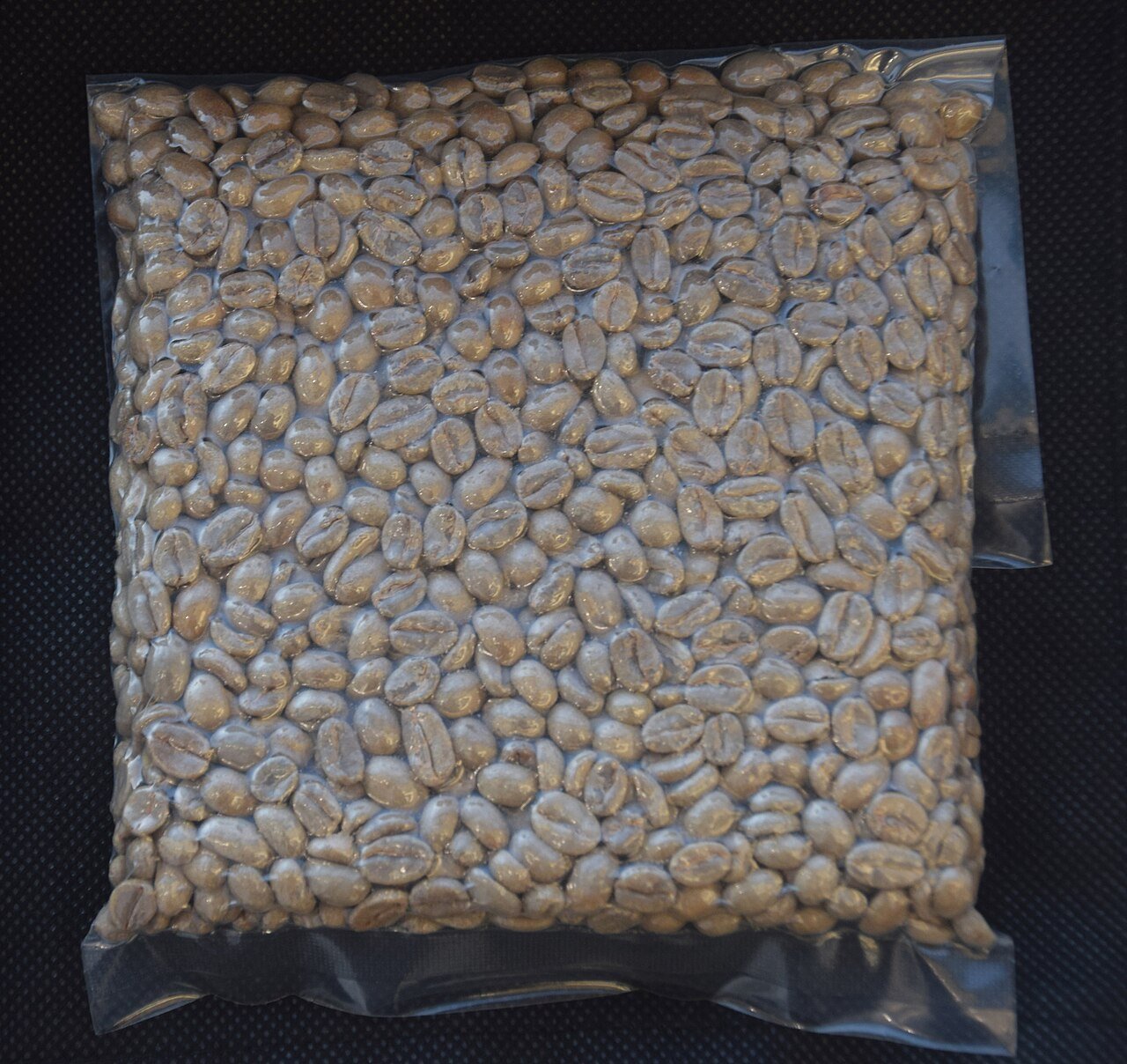
Green coffee before roasting. Photo: Michael Allen Smith, CC BY-SA 2.0, via Wikimedia Commons.
Does Robusta belong in cold brew?
Yes, and more people are using it than will admit it on the label.
Robusta, or Coffea canephora, has roughly twice the caffeine of Arabica, a heavier body and a cocoa-and-grain flavour that comes through strongly in cold extraction. Its main weakness, a harsh rubbery bitterness in poor lots, is exactly the thing cold brewing tends to tone down. The UC Davis panel found hot brew more bitter and more rubbery than cold brew across all three origins tested.
Good Robusta also tastes better than its reputation. A Brazilian sensory study on Conilon, the Robusta grown in Espírito Santo, found the brews scored higher for fragrance, aroma, body and aftertaste and lower for bitterness, acidity and astringency, and rated them close to the superior quality category.
Where Robusta works in cold brew:
- High-caffeine products. Energy-style cans and “extra strong” cold brew.
- Milk-based drinks. Cold brew lattes and sweetened coffee milk need body to stand up to dairy or oat milk.
- Concentrates. When you brew strong and dilute later, Robusta keeps flavour at higher dilutions.
- Cost control. Blending 20% to 40% clean Robusta into an Arabica base can bring your cost per litre down noticeably.
The catch is quality. Cheap, dirty Robusta tastes worse after a long steep, not better. Buy clean, well-sorted lots. Our comparison of the best Robusta coffee beans and the guide to Arabica vs Robusta go into this in more depth.
8 proven coffee beans for cold brew from our range
Every one of these coffee beans for cold brew is in our catalogue right now, sold green and graded, packed in 60 kg jute bags and ready to ship worldwide. Click through to any product page for the full description and to ask for a quote or samples.
1. Brazilian Robusta (Conilon): the smooth, chocolatey base

If we had to pick one coffee to build a cold brew around on a budget, this would be it. Brazilian Conilon is soft for a Robusta, with chocolate and nut in the cup and low acidity, so it tastes round and sweet when cold-steeped. It also blends easily with Brazilian or East African Arabica. Brazil is heading for a record crop, which the USDA puts at 71.9 million bags for 2026/27, so supply looks steady.
Our Brazilian Robusta coffee beans, short spec:
- Species: Coffea canephora / Conilon
- Process: natural, washed on request
- Screen: 16/18 or 18/20
- Moisture: max 12%
- Defects: under 5%
- Cup: smooth, chocolate, nutty, low acid
Best for: house cold brew blends, cold brew lattes and concentrates.
2. Indian Robusta: the cleanest Robusta for cold brew
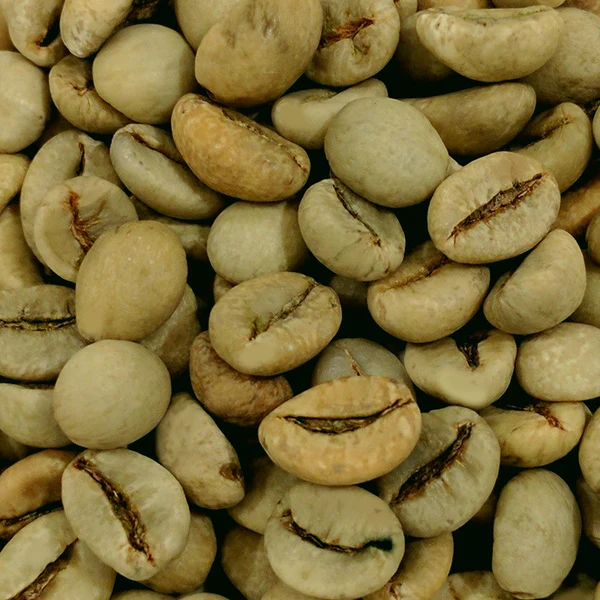
Indian Robusta is shade-grown in the southern hills, often under tall trees next to pepper and cardamom. It is one of the cleanest Robustas you can buy, and that cleanliness is exactly what a long steep needs. It gives a smooth, chocolatey, almost syrupy cold brew with very little of the harshness people expect from Robusta. Of all the coffee beans for cold brew in our range, this is the one we suggest to roasters who say they “don’t like Robusta”.
Our Indian Robusta coffee beans, sold per ton:
- Origin: South India, shade-grown
- Altitude: 600 to 1,200 m
- Process: natural (Cherry), washed on request
- Screen: 17/18 or 18/20
- Moisture: max 12.5%
- Cup: smooth, chocolate, nutty, low acid
Best for: premium Robusta-led cold brew and single-origin Robusta bottles.
3. Indonesia Robusta: heavy body for milk drinks

Sumatra and Java Robustas are heavy, dark and chocolatey with a cedar note and low acid. In cold brew they give a deep, almost cocoa-like drink that holds up very well to milk, sugar and syrups. Sumatra was one of the three origins in the UC Davis cold brew study, and the panel noted more smoky flavour when it was brewed hot, which fits what roasters tell us: Indonesian coffee often tastes cleaner cold.
Our Indonesia Robusta coffee beans:
- Origin: Sumatra, Java
- Altitude: 600 to 1,400 m
- Process: natural, washed on request
- Screen: 16/18 or 18/20
- Moisture: max 12%
- Cup: heavy, chocolate, cedar, low acid
Best for: cold brew with milk, sweetened canned coffee and dark-style concentrates.
4. Ugandan Robusta: cocoa, spice and plenty of strength

Robusta grows wild in Uganda’s forests, and the country’s best lots have a cocoa and earthy character with a mild spice note. Cold-steeped, it gives a strong, full-bodied drink that works well as the “backbone” of a blend. It is also a useful second Robusta origin if you do not want your whole cold brew programme tied to one country.
Our Ugandan Robusta coffee beans:
- Altitude: 900 to 1,500 m
- Process: natural, washed on request
- Screen: 15 to 18
- Moisture: max 12%
- Cup: cocoa, earthy, mild spice, low acid
Best for: strong black cold brew and blends that need more punch.
5. Vietnam Robusta: sweet, rich and great value

Vietnam has a long tradition of iced coffee, and its Robusta is what most of it is made with. Our premium lot is clean Screen 16/18, dry processed, with a sweet, rich aroma and mild acidity. It is the most cost-effective of all our coffee beans for cold brew and a natural fit for Vietnamese-style iced coffee with condensed milk.
Our Premium Vietnam Robusta coffee beans:
- Origin: Central Highlands, Vietnam
- Process: unwashed / dry / natural
- Screen: 16/18
- Moisture: max 12.5%
- Black / broken / foreign: 0.1% / 0.5% / 0.1%
- Density: 700 to 720 g/l
Best for: iced coffee with condensed milk, value cold brew and high-volume concentrate.
6. African Robusta: high caffeine for energy products

Our African Robusta lots come from East, West and Central Africa and are matched to your spec. Caffeine sits at 2.2% to 2.7% of the bean, so this is the coffee to look at if you are making a high-caffeine can or an “extra strong” cold brew.
Our African Robusta coffee beans:
- Origin: East, West and Central Africa
- Process: natural or washed
- Screen: 16/18 or 18/20
- Moisture: max 12%
- Defects: under 5%
- Caffeine: 2.2% to 2.7%
Best for: energy-style cold brew and blending stock.
7. African Arabica: brightness and fruit

Not every cold brew has to taste like chocolate milk. East African Arabica is floral, fruity and bright, and cold extraction tends to keep the florals while softening the sharp acids. The UC Davis panel found cold-brewed Ethiopian coffee had more fruity flavour than the same coffee brewed hot. Use it on its own for a light, specialty-style cold brew, or as 20% to 40% of a blend to lift a chocolatey base.
Our African Arabica coffee beans:
- Species: Coffea arabica
- Origin: East African highlands
- Altitude: 1,400 to 2,200 m
- Process: washed or natural
- Screen: 15 to 18 (AA / AB)
- Moisture: max 12.5%
- Cup: bright, fruity, floral, clean
Best for: specialty cold brew, nitro cold brew and blend lift.
8. Africa Arabica single origins: for a named cold brew

If you want to put “Ethiopia”, “Kenya” or “Rwanda” on the bottle, buy single-origin lots instead of a regional blend. A natural Ethiopian cold brew, with its berry and floral notes, is one of the easiest specialty cold brews to sell at a premium. These are traceable lots, sold country by country.
Our Africa Arabica coffee beans:
- Origins: Ethiopia, Kenya, Uganda, Tanzania, Rwanda, Burundi
- Sold as: single-origin, traceable lots
- Altitude: 1,300 to 2,200 m
- Process: washed, natural or honey
- Screen: 15 to 18, plus PB
- Moisture: max 12.5%
- Cup: floral, fruity, bright, clean
Best for: single-origin bottles, seasonal cold brew and café menus.
Side-by-side: which coffee beans for cold brew suit your product?
| Coffee | Species | Cold brew character | Best use |
|---|---|---|---|
| Brazil Conilon | Robusta | Smooth, chocolate, nutty | House blend base, lattes |
| India | Robusta | Very clean, syrupy, cocoa | Premium Robusta cold brew |
| Indonesia | Robusta | Heavy, dark chocolate, cedar | Milk drinks, sweet cans |
| Uganda | Robusta | Cocoa, earthy, mild spice | Strong black cold brew |
| Vietnam | Robusta | Sweet, rich, mild acidity | Iced coffee, value concentrate |
| Africa | Robusta | Strong, high caffeine | Energy cans |
| East Africa | Arabica | Floral, fruity, bright | Specialty, nitro, blend lift |
| Single origins | Arabica | Berry, floral, traceable | Named single-origin bottles |
You can see everything we hold in the Robusta coffee beans and Arabica coffee beans categories, or on the full products page.
Roasting coffee beans for cold brew
Since roast level was the biggest single factor in the UC Davis sensory study, how you roast coffee beans for cold brew deserves real attention. Here is what roasters we work with tend to find, as a general guide rather than a rule:
- Medium to medium-dark is where most commercial cold brew sits. Sugars are well developed, chocolate and caramel come forward, and acidity is soft.
- Light roasts can be lovely with washed East African coffee, but they extract slowly in cold water and can taste grassy or sour if under-developed.
- Very dark roasts give a bold, smoky drink, but the research suggests you lose something. In the 2020 Jefferson study, darker roasts had lower concentrations of the compounds measured in both hot and cold brew, and cold brew antioxidant capacity dropped as the roast got darker.
Two practical points. First, roast a little more developed than you would for a pour-over of the same coffee, because cold water will not pull out the sweetness of an under-developed bean. Second, rest the coffee for a few days after roasting before you steep it, so it does not foam up and float in the tank. Our guide to roasting green coffee beans covers roast development step by step, and the guide to coffee beans for espresso shows how the same origins behave in a very different brew.
Grind
Cold brew almost always uses a coarse grind. Fine grounds clog filters and make the drink muddy and bitter over a long steep. In the Jefferson research, coffee was ground on the coarsest setting of a burr grinder and sieved to 500 to 2,000 microns, which is a useful reference point for production.
Blend and brew starting points
These are first trials for blending coffee beans for cold brew on your own cupping table, not finished recipes. Cup, adjust and cup again.
Smooth house cold brew
- 60% Brazilian Conilon
- 40% African Arabica
Chocolate and nut from the Conilon, a bit of fruit on top from the Arabica. Easy drinking, works black or with milk.
Strong cold brew latte base
- 50% Indonesia Robusta
- 30% Indian Robusta
- 20% Brazilian Conilon
Heavy, dark and clean, built to cut through milk and syrup.
High-caffeine can
- 50% African Robusta
- 30% Ugandan Robusta
- 20% African Arabica
Lots of caffeine and body, with just enough Arabica to keep it pleasant.
Single-origin specialty
- 100% natural Ethiopian from our Africa Arabica single-origin lots
Berry, floral and sweet. Sell it on the origin.
Brew ratios to start from
Ratios are usually given as coffee to water by weight. As rough starting points, many makers brew ready-to-drink cold brew somewhere around 1:10 to 1:15, and concentrate around 1:4 to 1:8 to be diluted later. The Jefferson studies used 1:10. Steep times of 12 to 24 hours are typical, in line with the 2022 extraction-time study that found little gain after 24 hours.
How much green coffee a cold brew programme uses
This is where cold brew surprises people. It uses a lot more coffee per drink than hot filter coffee, so the price of your coffee beans for cold brew matters more than you might think.
Two numbers to keep in mind. Roasting removes weight: a European patent on soluble coffee puts it at about 0.4 kg lost for every 2.4 kg of green coffee, roughly 17%. And spent grounds hold onto water, so you get back less liquid than you put in.
Our own rough working, using that 17% roast loss:
| Brew ratio (coffee : water) | Roasted coffee per 1,000 L water | Approx. green coffee needed |
|---|---|---|
| 1:15 (lighter RTD) | about 67 kg | about 80 kg |
| 1:10 (stronger RTD) | 100 kg | about 120 kg |
| 1:8 (concentrate) | 125 kg | about 150 kg |
| 1:5 (strong concentrate) | 200 kg | about 240 kg |
So a 20-foot container of green coffee, typically around 320 bags of 60 kg or about 19.2 tonnes, covers roughly 160,000 litres of water at 1:10. If you sell a few thousand litres a week, that is a sensible order size, and buying by the container rather than by the bag usually brings the price per kilo down. Our guide to wholesale green coffee beans explains volume buying, and green coffee prices explains how the market sets what you pay.
These are planning numbers. Your actual usage depends on your ratio, your roast, how much liquid the grounds keep and whether you press them.

Steeping coarse-ground coffee for cold brew. Photo: Sage Ross, CC BY-SA 3.0, via Wikimedia Commons.
Food safety for bottled and canned cold brew
This section is for anyone moving from café cold brew to a packaged product. It is the part new brands most often get wrong, and it has nothing to do with taste.
Cold brew is brewed without heat and has a pH of around 5. US federal food regulations (21 CFR Part 113, enforced by the FDA) define low-acid foods as those with a finished equilibrium pH above 4.6 and a water activity above 0.85. Cold brew falls into that range, which means that once it is sealed in an airtight can or bottle, it can in theory support the growth of Clostridium botulinum, the bacterium behind botulism, unless the process controls for it.
This is not hypothetical. In 2024, a US company that cans cold brew for roasters recalled all of its unexpired products after the FDA told it that its low-acid canned food process had not been filed with the agency, as the rules require. No illnesses were reported, but the recall reached more than 150 roaster and retail clients.
The rules differ from country to country, so we are not giving legal advice here. What we would say to any new cold brew brand:
- Talk to a process authority or food-safety consultant before you pack in sealed containers.
- Check whether your market treats sealed cold brew as a low-acid canned food and what filings it needs.
- Keep fresh, refrigerated cold brew cold and give it a sensible shelf life.
- Keep clean, dry, properly stored coffee beans for cold brew. Good raw material does not replace a safe process, but bad raw material makes everything harder.
For storing green coffee before roasting, see our guide on storing green coffee beans.
Why cold brew is worth the investment
The category is still growing quickly. One market research firm, IMARC Group, estimates the global cold brew coffee market at USD 2.5 billion in 2026, forecast to reach USD 10.9 billion by 2034, a growth rate of about 20% a year, with North America holding the largest share. Market forecasts like this are estimates and vary a lot between firms, so treat the exact figures with some caution. The direction is clear, though: more cafés, more supermarket shelves and more RTD brands are selling cold brew every year.
For roasters, that growth is an opportunity to sell more coffee per customer. A café that adds cold brew to its menu often buys noticeably more coffee in the warm months, and a wholesale cold brew concentrate can be a steady line all year. Having a reliable source of coffee beans for cold brew, at a stable quality and price, is what lets you take on those accounts with confidence.
Supply looks healthy too. Brazil is forecasting a record crop, and Vietnam’s production is forecast to rise to 32.5 million bags in 2026/27, its third straight year of growth. Timing your purchases around harvests helps. Our guide to the coffee harvest season shows when each origin comes to market.
Matching coffee beans for cold brew to the product you sell
“Cold brew” covers a lot of different drinks, and the best coffee for each one is not the same. Here is how we would think about it for the most common formats.
Café cold brew on tap or in jugs
A café batch usually lives in the fridge for a few days and gets poured over ice, with or without milk. You want something forgiving that tastes good on day one and day three. A natural Brazilian base with a share of East African Arabica is hard to beat. If your café is known for lighter, fruit-forward coffee, a single-origin Ethiopian cold brew can be a great seasonal special next to the house batch.
Nitro cold brew
Nitrogen gives cold brew a creamy, Guinness-like head and a silky texture. That texture makes the drink taste sweeter and rounder, so you can lean a little brighter on the coffee. Many nitro programmes use washed Arabica on its own or as most of the blend. The African Arabica coffee beans in our range are a good fit.
Ready-to-drink bottles and cans
RTD products sit on a shelf or in a chiller for weeks, and every unit has to taste the same. Consistency and clean raw material matter more than anything else. Most RTD brands we speak with build on one or two dependable origins, often Brazilian Conilon or Indian Robusta for body, with Arabica for aroma, and keep the same spec order after order. When you buy coffee beans for cold brew for an RTD line, ask for the same origin, process and screen size each time, and approve a pre-shipment sample every time.
Cold brew concentrate
Concentrate is brewed strong and diluted with water or milk later, either by a café, a food-service customer or the end consumer. Because it gets diluted, the coffee needs enough flavour to survive being cut two or three times. Robusta-heavy blends work well here, and so do darker roasts. Vietnamese and Indonesian Robusta are both strong candidates.
Cold brew lattes and milk drinks
Milk and oat drinks mute coffee flavour a lot. Heavy, chocolatey coffees such as Indonesia Robusta and Brazilian Conilon hold their ground. A lighter Arabica-only cold brew can disappear under milk.
Vietnamese-style iced coffee
Strong, dark coffee with sweetened condensed milk. The traditional choice is Vietnamese Robusta, and our Premium Vietnam Robusta is made for it.
Want a coffee with a clear origin story? Our guide to single origin coffee beans explains what single origin means and how to buy well.
Using origin to sell your cold brew
Something we see more often now: brands putting the origin of their coffee beans for cold brew right on the front of the bottle. “Single-origin Ethiopia”, “Indian shade-grown Robusta”, “Brazilian natural”. Shoppers who would never read a spec sheet still respond to a place name, and it gives your sales team something to talk about.
If you want to do this, there are two things to get right. First, buy traceable lots where you know the country and, ideally, the region. Second, keep enough stock or a forward contract so you do not have to change the origin halfway through a print run of labels. That is where buying from a supplier who can hold a consistent origin for you is worth more than saving a few cents per kilo on the spot market. It is also why many of our customers keep two approved coffee beans for cold brew: a main origin and a backup with a similar profile.
Not sure who to buy from? Our guide to choosing a green coffee supplier covers specs, samples, contracts, Incoterms and red flags.
For a full buyer’s guide to origins, varieties, grades and prices, see our guide to Arabica coffee beans.
Common mistakes when buying coffee beans for cold brew
- Using whatever is left over. Some cafés make cold brew from old or stale coffee. A long steep makes stale, papery flavours more obvious, not less.
- Choosing very bright, acidic coffees for a mass-market product. They can taste thin or sour cold. Save them for specialty bottles.
- Buying cheap, dirty Robusta. Good Robusta is great in cold brew. Bad Robusta is worse cold than hot.
- Skipping sample tests. Always cold-brew your samples on your real recipe, not just a hot cupping.
- Changing coffee every order. A branded cold brew needs a consistent base. Agree on a spec and stick to it.
- Ignoring food safety rules when moving into sealed bottles or cans.
- Underestimating volume. Cold brew uses a lot of coffee. Plan your green coffee orders around your real sales.
How to test samples for cold brew
- Ask for samples of two or three coffee beans for cold brew that fit your style.
- Check the green: moisture, screen size and defects.
- Roast each one the way you would for production.
- Cold-brew them side by side, same ratio, same grind, same time.
- Taste black, with milk and over ice, because that is how customers will drink it.
- Pick the winner, then approve a pre-shipment sample from the lot that will actually ship.
Our coffee cupping guide explains how to score samples, and if you are bringing coffee in from abroad for the first time, read importing coffee beans before you place an order.
How to buy coffee beans for cold brew from us
We supply coffee beans for cold brew to roasters, café chains, RTD brands and traders around the world. Here is how ordering works:
- Tell us about your product. Black or milk-based, RTD or concentrate, the flavour you want, your monthly volume and your destination port.
- Get a shortlist and samples. We suggest two or three coffees from the list above and send samples so you can cold-brew them yourself.
- Agree the spec and price. Origin, process, screen, moisture, defects, packing and delivery terms, all in writing.
- Approve the pre-shipment sample.
- We load and ship. Documents follow the vessel, and the container arrives at your port.
When you are ready, contact our sales team for a quote or samples. You can also read more about Continental Coffee Supply, or see how the same coffees are used for coffee beans for instant coffee.
Frequently asked questions
What are the best coffee beans for cold brew?
Low-acid, full-bodied coffees with chocolate and nut flavours, roasted medium to medium-dark. Natural Brazilian and Indian coffees are popular bases. Washed East African Arabica works well for a brighter, more floral cold brew.
Is Arabica or Robusta better for cold brew?
Both work. Arabica gives more sweetness and aroma. Robusta adds body, strength and about twice the caffeine, and cold brewing softens its bitterness. Many commercial cold brews use a blend.
Is cold brew really less acidic?
It tastes less sour, and studies found slightly higher pH in cold brew, by about 0.2 to 0.34 units in one study. But the pH of hot and cold brew is close, both around 5, so it is not a strongly low-acid drink.
What roast is best for cold brew?
Medium to medium-dark for most products. Light roasts suit washed specialty coffee if they are well developed. Very dark roasts give a bold drink but lose some complexity.
How long should cold brew steep?
Usually 12 to 24 hours. One study found little extra extraction after 24 hours.
What ratio of coffee to water should I use?
Around 1:10 to 1:15 for ready-to-drink and 1:4 to 1:8 for concentrate are common starting points. Test on your own coffee.
How much green coffee do I need for cold brew?
At a 1:10 ratio, roughly 120 kg of green coffee for every 1,000 litres of water, allowing for weight lost in roasting.
Can I use single-origin coffee beans for cold brew?
Yes. Single-origin Ethiopian and Kenyan cold brews sell well as premium products. We sell traceable single-origin lots.
Do you sell roasted coffee for cold brew?
We sell green, unroasted coffee for roasters and manufacturers to roast themselves.
Do you ship worldwide?
Yes, we ship coffee beans for cold brew by the bag, ton or container to ports around the world.
Can I get samples first?
Yes. We recommend cold-brewing samples on your real recipe before ordering in volume.
Key takeaways
- The best coffee beans for cold brew have body, sweetness and chocolate, with low to medium acidity.
- Roast and origin affect the taste of cold brew more than brew temperature does.
- Natural Brazilian and Indian coffees make great bases; East African Arabica adds fruit and florals.
- Clean Robusta adds body and caffeine, and cold brewing softens its bitterness.
- Steep 12 to 24 hours; at 1:10, plan on about 120 kg of green coffee per 1,000 litres of water.
- Sealed cold brew is a low-acid product: get food-safety advice before canning or bottling.
Sources and References
- Rao and Fuller (2018), Acidity and Antioxidant Activity of Cold Brew Coffee, Scientific Reports
- Rao, Fuller and Grim (2020), Physiochemical Characteristics of Hot and Cold Brew Coffee Chemistry, Foods
- Specialty Coffee Association / Coffee Science Foundation: Sensory Analysis of Full Immersion Coffee (UC Davis)
- Santos et al. (2022), The effect of cold brew coffee extraction time on cold brew beverages, Research, Society and Development
- Mori et al. (2018), Sensory profile of conilon coffee brews, Pesquisa Agropecuária Brasileira
- US Code of Federal Regulations: 21 CFR Part 113, Thermally Processed Low-Acid Foods
- Daily Coffee News: Cold brew can recall over low-acid process filing (2024)
- USDA Foreign Agricultural Service: Coffee: World Markets and Trade (July 2026)
- Daily Coffee News: Vietnam coffee report (USDA FAS, 2026)
- IMARC Group: Cold Brew Coffee Market report
- Wikipedia: Coffea canephora (Robusta)
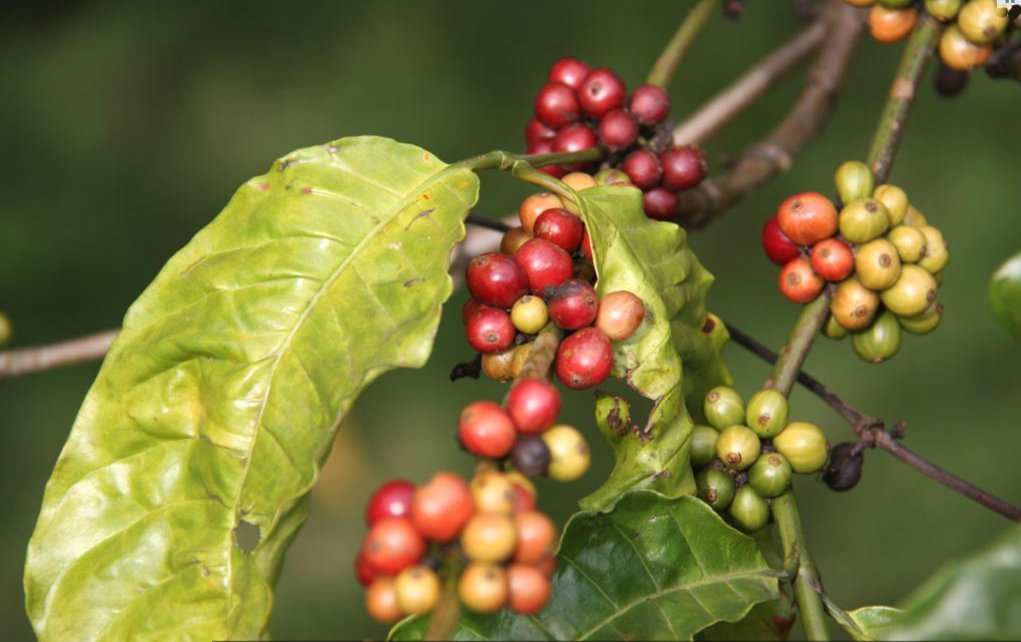
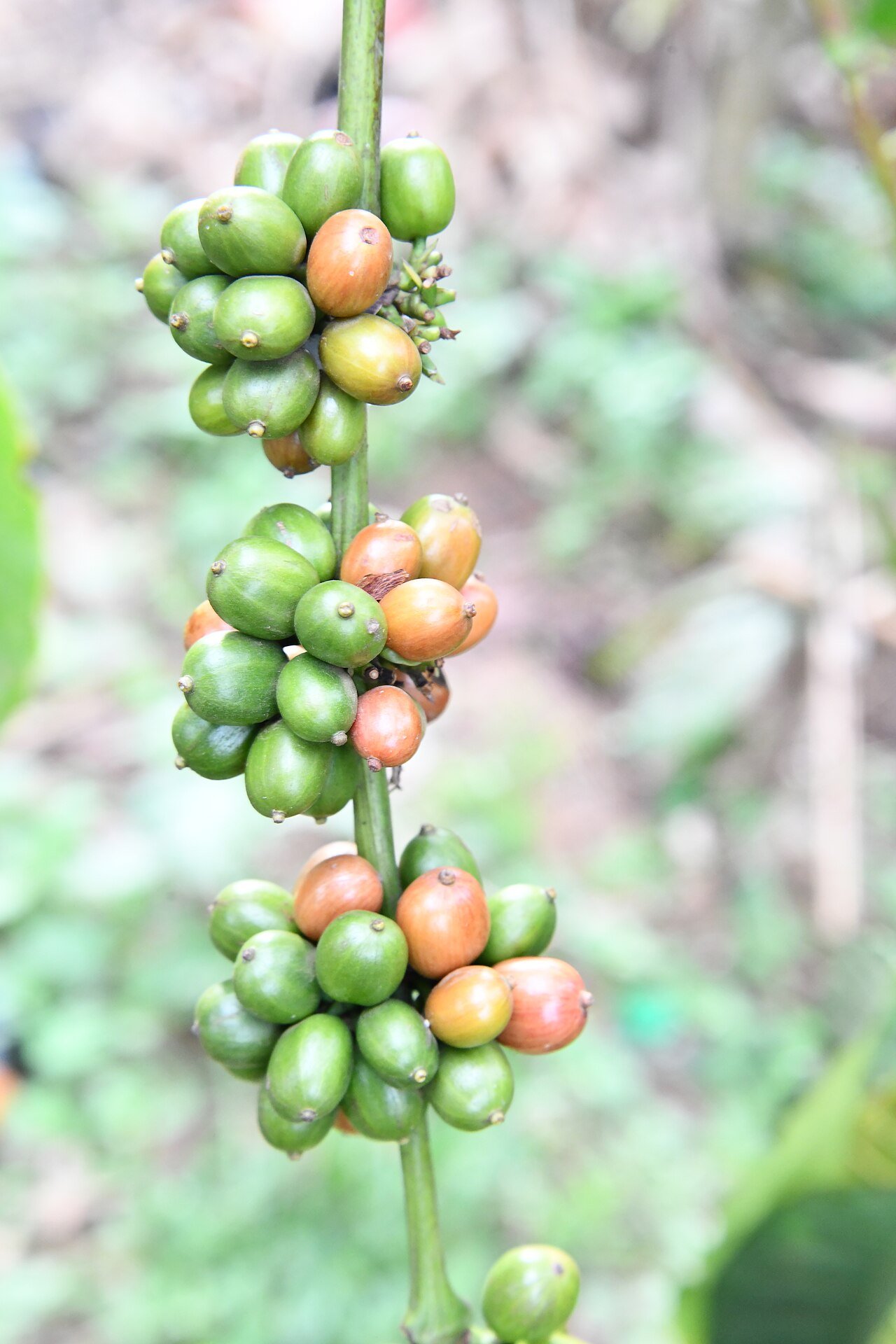

Pingback: Ethiopian Green Coffee Beans: 7 Proven Tips for Buying Well - Continental Coffee Supply