
Description
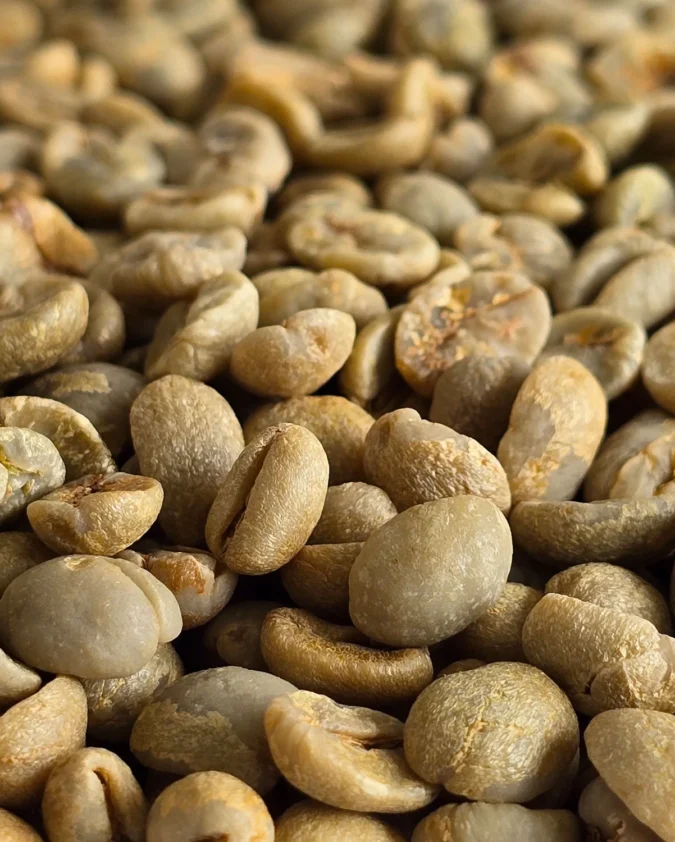
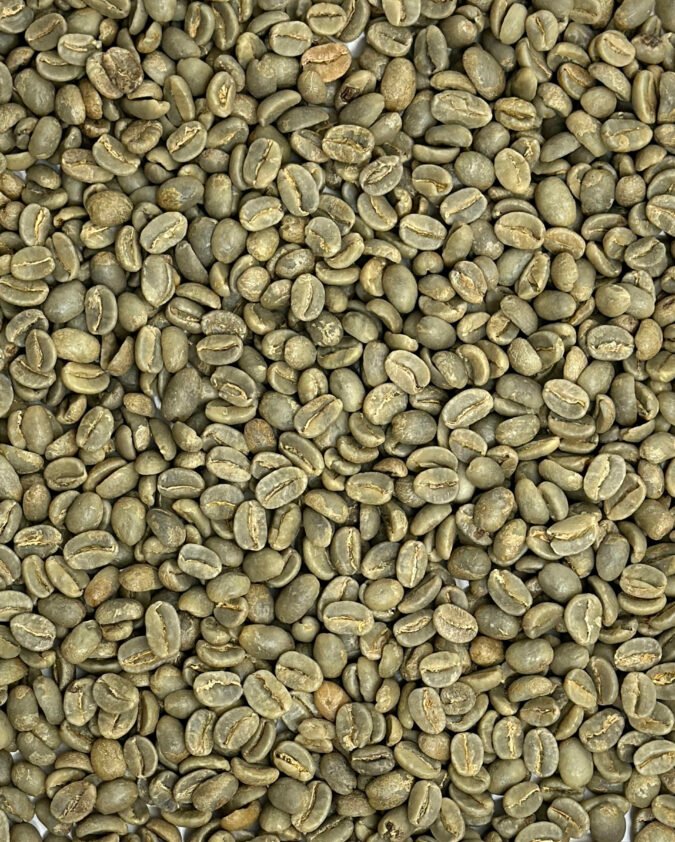
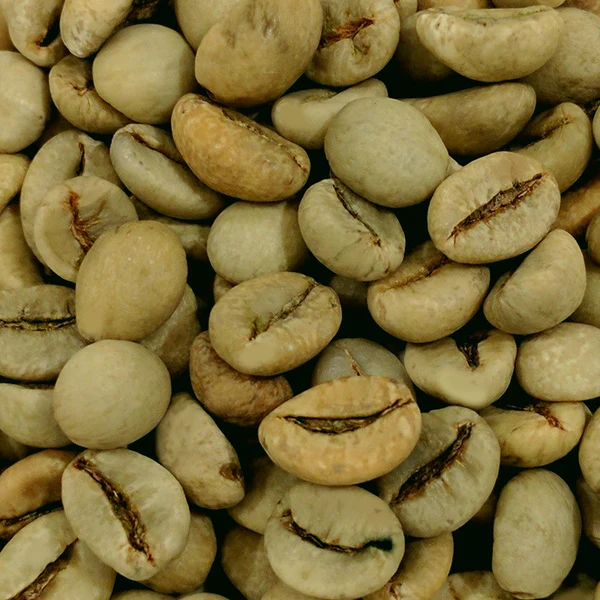
We sell Africa Arabica coffee beans as single-origin green coffee, lot by lot and country by country. If you want to put an Ethiopian, a Kenyan or a Rwandan on your menu, with the origin named on the bag, this is the page for you. Every lot is graded, sampled and ready for export, and we ship worldwide.
Plenty of suppliers sell “African coffee” as one big category. Roasters who sell single origins need more than that. They need to know which country, which region and which harvest. That is how we sell our Africa Arabica coffee beans: you choose the origin, we send the specs and a sample from the actual lot, and you decide.

Why roasters pick Africa Arabica coffee beans
Africa is where Arabica comes from. The plant grew wild in the Ethiopian highlands long before anyone farmed it, and the region still holds more coffee diversity than anywhere else. Add high altitude, rich volcanic soils and careful processing, and you get some of the most distinctive coffee in the world.
Customers notice. An African single origin is often the coffee people remember: the Ethiopian that tasted of blueberries, the Kenyan that tasted like blackcurrant juice. For a roaster, Africa Arabica coffee beans are a simple way to add something special to a menu and charge for it.
Choose the origin of your Africa Arabica coffee beans
Ethiopia. Washed lots from Yirgacheffe and Sidama are light and floral, with lemon and jasmine. Naturals from Guji and Harrar are big and fruity. The varieties are mostly local heirlooms, many of them never formally named. There is more background on coffee in Ethiopia if you want the history.
Kenya. Grown largely from the SL28 and SL34 varieties and washed with care, Kenyan coffee is sharp, juicy and intense. Kenya grades by size, so AA is the largest bean.
Uganda. Most people know Uganda for Robusta, but the slopes of Mount Elgon produce sweet, chocolatey Arabica, often sold as Bugisu. These Africa Arabica coffee beans are easy to roast and make a lovely espresso.
Tanzania. From Kilimanjaro, Arusha and the southern highlands. Bright and clean with stone fruit and black tea. Tanzanian peaberries are especially popular.
Rwanda and Burundi. Small, hilly countries where most coffee goes through washing stations. The cups are clean and sweet with red fruit and caramel. Bourbon is the main variety.
| Country | Main harvest | Typical grades | Cup style |
|---|---|---|---|
| Ethiopia | Oct to Jan | G1, G2 (washed or natural) | floral, tea-like, berry |
| Kenya | Oct to Dec, plus a fly crop | AA, AB, PB | juicy, blackcurrant, citrus |
| Uganda | Oct to Feb (Mount Elgon) | AA, A, PB | chocolate, red fruit, heavy body |
| Tanzania | Jul to Dec | AA, AB, PB | bright, stone fruit, black tea |
| Rwanda | Mar to Jul | Grade A1, A2 | red apple, cherry, clean |
| Burundi | Apr to Jul | Grade A1, A2 | sweet, cranberry, caramel |
Harvest months are typical and shift a little each year with the weather. New-crop coffee usually reaches buyers a few months after harvest.
Africa Arabica coffee beans specifications
- Species: Coffea arabica
- Origins: Ethiopia, Kenya, Uganda, Tanzania, Rwanda, Burundi (sold as single origins)
- Varieties: Ethiopian heirloom, SL28, SL34, Bourbon, Typica and others, by origin
- Altitude: about 1,300 to 2,200 m above sea level
- Processing: washed, natural, and some honey lots
- Screen size: 15 to 18, plus peaberry (PB)
- Moisture: 10% to 12.5%
- Caffeine: about 1.2% to 1.5%
- Cup notes: floral, berry, citrus, stone fruit, chocolate, caramel
- Acidity: medium to high, clean
- Traceability: country, region and usually washing station or cooperative
- Form: green (unroasted) beans
- Packing: 60 kg jute bags as standard, hermetic liners on request
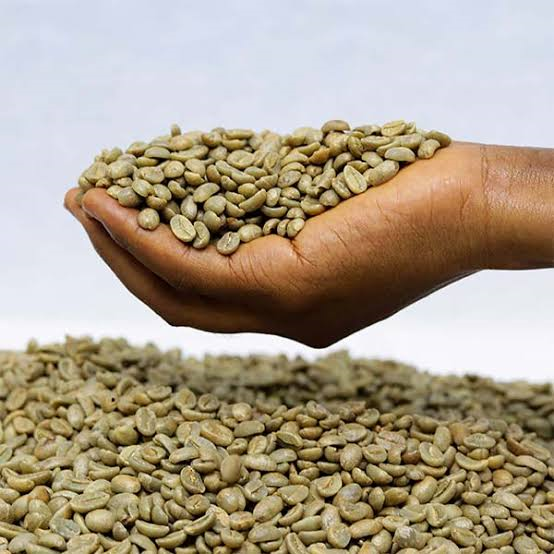
Washed, natural or honey Africa Arabica coffee beans?
Washed coffee has the fruit removed and the beans fermented and rinsed before drying. It gives the clean, bright, clear taste Kenya and Rwanda are known for. Natural coffee dries inside the whole cherry, so it picks up fruit and sweetness, which is why Ethiopian naturals can taste so much like berries. Honey processing sits in between: the skin comes off, but some of the sticky fruit stays on while the bean dries.
If you are building a menu, one washed and one natural from Africa make a great pair. Customers can taste the difference processing makes, side by side.
How to use them
Single-origin filter. The obvious one, and where Africa Arabica coffee beans shine. Roast light to medium.
Single-origin espresso. A natural Ethiopian or a Ugandan Bugisu can make a sweet, fruity shot.
Blends. A share of African coffee lifts a blend with brightness and aroma. Pair it with a smooth Robusta, such as our Brazilian Robusta or Indian Robusta, for body and crema.
If you want a broader East African coffee rather than a named single origin, our African Arabica coffee beans are the more flexible, everyday option.
Building an African coffee menu
Here is a simple plan many roasters follow. Start with one washed coffee from East Africa, such as a Ugandan or Tanzanian lot, as an everyday single origin that most customers enjoy. Add one “wow” coffee, like a natural Ethiopian or a Kenyan AA, for people who want something different. Then rotate a third slot through Rwanda, Burundi or another Ethiopian region as new crops arrive.
Three Africa Arabica coffee beans on the shelf give customers a reason to come back and try something new, without loading you with too much stock. Because harvests in different countries fall at different times of year, rotating origins also helps you keep fresh coffee on the menu all year round. Tell us roughly how much of each you sell, and we can plan shipments of Africa Arabica coffee beans so a new lot arrives just as the last one runs low.
Roasting tips
High-grown African coffee is dense, so give it good heat early in the roast. Most roasters stop around light to medium to keep the fruit and acidity. Washed Kenyans can handle a touch more development; delicate Ethiopians usually taste best lighter. Rest the coffee a few days before judging it, and cup each new lot of Africa Arabica coffee beans before you set your profile.
Storage
These coffees are worth protecting. Keep the bags cool and dry, off the floor, away from smells, and aim for about 60% humidity. Ask for hermetic liners if your climate is humid. Our guide to storing green coffee beans covers the details. Stored well, Africa Arabica coffee beans stay bright for many months.
Quality and grading
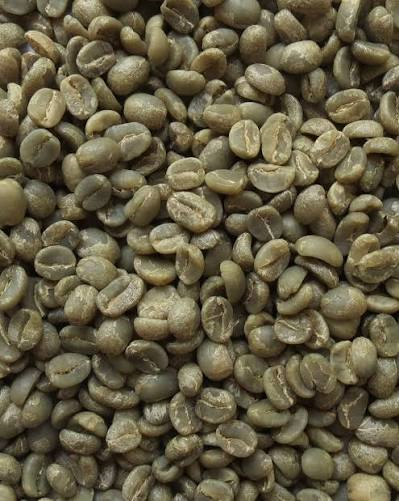
Every lot is checked for moisture, screen size and defects, and we cup samples before shipping. The grade names differ from country to country: AA in Kenya, G1 in Ethiopia, A1 in Rwanda. Our article on coffee bean grading explains what they mean, so you can compare lots properly.
Shipping and documents
We ship worldwide by sea container, and small lots can travel with other cargo. Each shipment comes with the standard export documents: commercial invoice, packing list, bill of lading, certificate of origin and phytosanitary certificate. If you are bringing coffee in yourself for the first time, read our step-by-step guide to importing coffee beans. You can follow your order on our tracking page.
Price
Arabica follows the New York futures market, and African single origins carry a premium on top for quality and traceability. Kenyan AA and top Ethiopian lots sit at the higher end; Ugandan and Tanzanian lots are often better value. We quote Africa Arabica coffee beans order by order, so send us your origin, quantity and port and we will come back with current lots and prices.
How to order
Use our contact page to tell us which origin interests you, how much you need and where it should go. We will send a quote and a sample from the lot. New to buying in bulk? Our guide to wholesale green coffee beans explains samples, prices and contracts. You can also browse our Arabica range, our Robusta range or all our products.
New to roasting? Our step-by-step guide to roasting green coffee beans covers equipment, roast levels and profiles for every origin we sell.
Want to understand washed, natural and honey coffee? Read our guide to coffee processing methods.
Before ordering in bulk, cup a sample. Our guide to coffee cupping shows you how.
Wondering when fresh Africa Arabica coffee beans arrive? Our guide to the coffee harvest season has the timing.
Using Africa Arabica coffee beans in espresso? Our guide to coffee beans for espresso has blend ratios and roasting tips.
Wondering what Africa Arabica coffee beans cost right now? Our guide to green coffee prices explains current market levels and how we quote.
Our Africa Arabica coffee beans can be sold as a single origin. Our guide to single origin coffee beans explains how to present and sell them.
Comparing suppliers for Africa Arabica coffee beans? Our guide to choosing a green coffee supplier explains what to check before you buy.
Our Africa Arabica coffee beans are part of a wider range. Our buyer’s guide to Arabica coffee beans explains origins, varieties, grades and prices.
Common questions
Can I choose the exact country for my Africa Arabica coffee beans?
Yes. That is the point of this product. Tell us the origin and we will offer the lots we have.
Are they roasted?
No. We sell green beans so you can roast them your own way.
Which origin should I try first?
For a crowd-pleaser, a washed Uganda or Tanzania. For something people will talk about, a natural Ethiopian or a Kenyan AA.
Can I order samples of several origins?
Yes. Many roasters cup two or three side by side before choosing.
Do you ship outside Africa?
Yes, we ship Africa Arabica coffee beans to buyers all over the world.
How long do green Africa Arabica coffee beans keep?
Stored cool, dry and away from smells, most lots taste their best for 6 to 9 months after arrival and stay good for up to about a year. Hermetic liners help them last longer.


There are no reviews yet.