Description
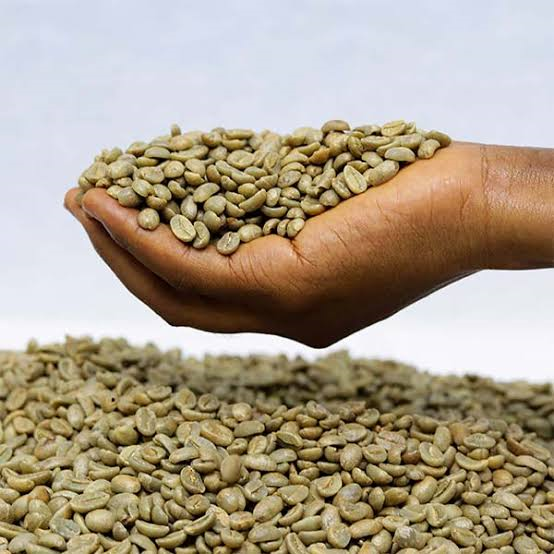
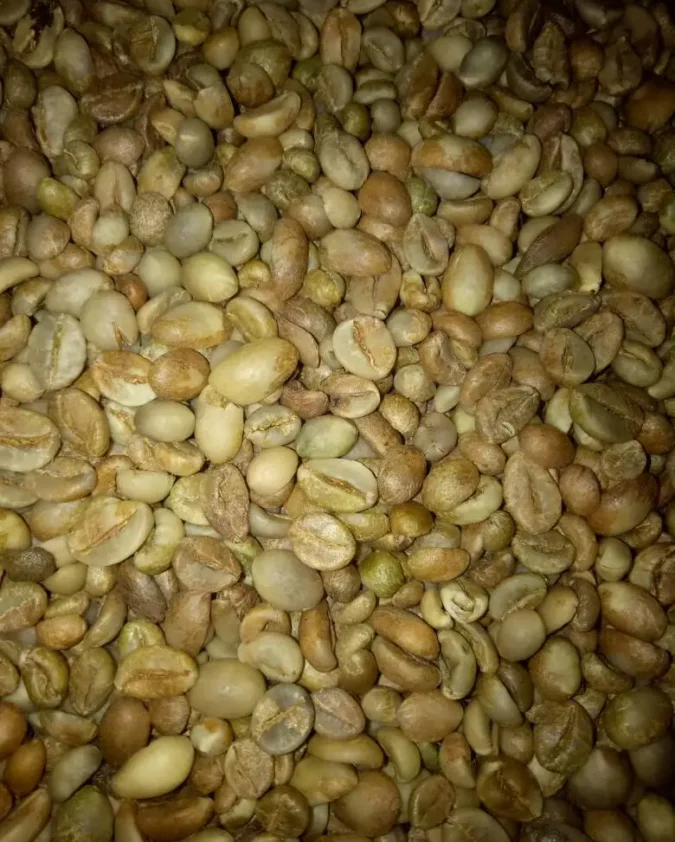
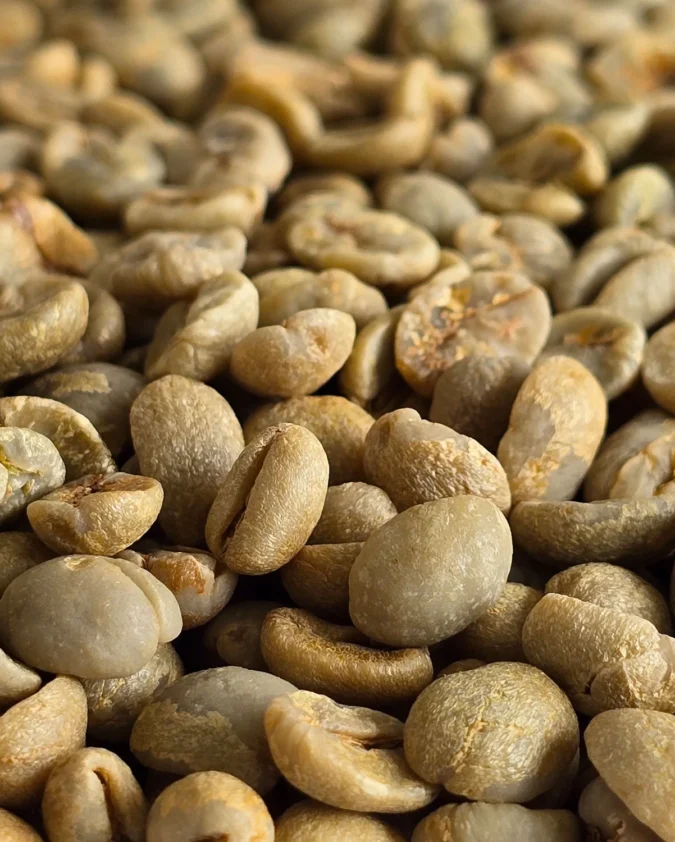
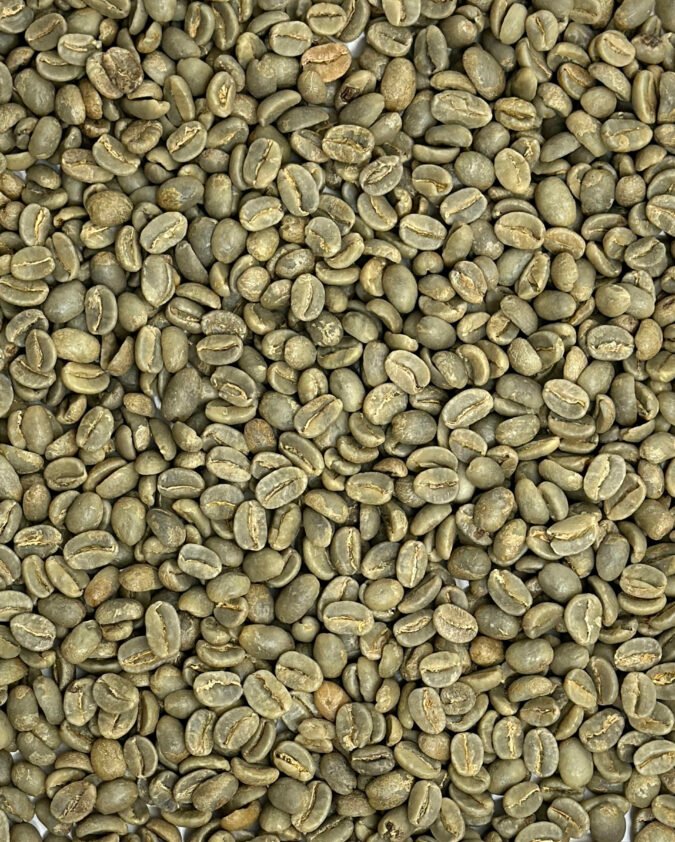
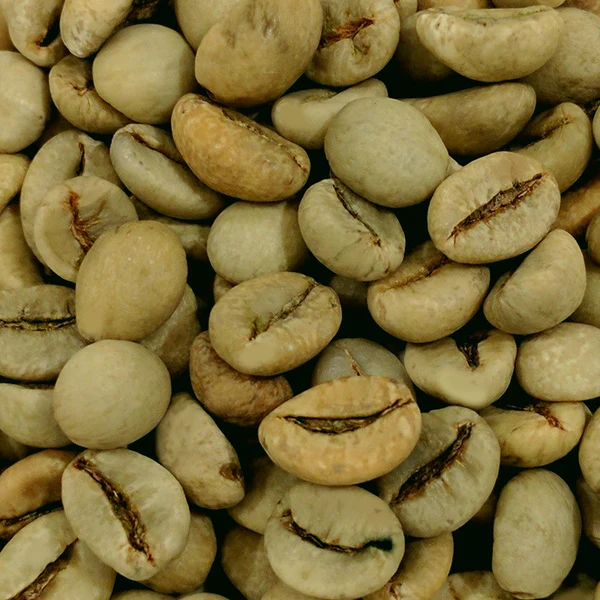
We sell African Arabica coffee beans as green, unroasted coffee for roasters, importers, wholesalers and café groups that buy in bulk. If you need a steady supply of good Arabica from Africa, you are in the right place, and you can ask us for a price at any time.
Most of this coffee comes from the highlands of East Africa: Ethiopia, Kenya, Uganda, Tanzania, Rwanda and Burundi. Roasters have chased coffee from this part of the world for a long time, and for good reason. Ethiopia is where the Coffea arabica plant first came from, and it still grows wild in the forests there.

Why roasters buy African Arabica coffee beans
Flavour, mostly. Coffee grown high up, between about 1,400 and 2,200 metres, ripens slowly. That slow ripening packs more sugar and acidity into the bean, and you taste it as bright, clean, fruity coffee. A washed Kenyan lot can taste like blackcurrant and grapefruit. A natural Ethiopian can taste like blueberries. Ugandan and Tanzanian Arabica usually sit somewhere in the middle, with chocolate, stone fruit and a heavier body.
That range is handy. One origin can carry a single-origin filter menu while another rounds out an espresso blend. Plenty of our customers mix African Arabica coffee beans with our Robusta coffee beans to get the brightness of one and the body and crema of the other.
Specifications
Every lot of African Arabica coffee beans is graded and checked before it ships. Exact figures depend on the origin and grade you pick, and we send the numbers for each lot with your quote.
- Species: Coffea arabica
- Origins: Ethiopia, Kenya, Uganda, Tanzania, Rwanda, Burundi
- Varieties: Ethiopian heirloom, SL28, SL34, Bourbon and others, depending on origin
- Altitude: about 1,400 to 2,200 m above sea level
- Processing: washed (wet) or natural (dry)
- Screen size: 15 to 18 (AA, AB and similar grades)
- Moisture: 10% to 12.5%
- Caffeine: about 1.2% to 1.5%
- Cup notes: citrus, berries, florals, stone fruit, chocolate, caramel
- Acidity: medium to high, clean finish
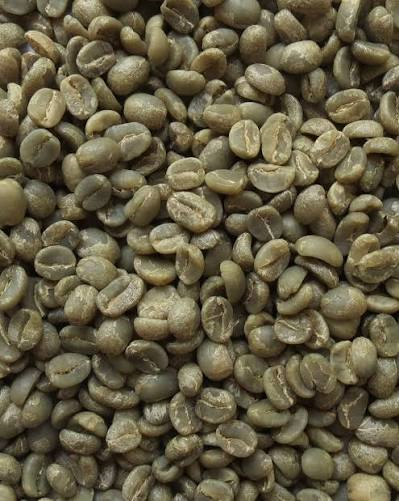
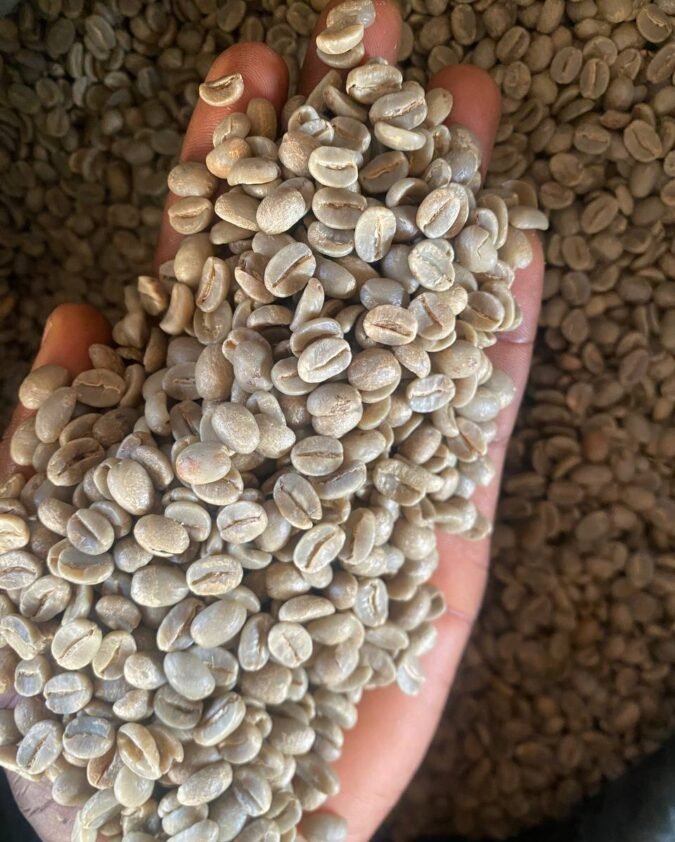
- Form: green (unroasted) beans
- Packing: 60 kg jute bags as standard, other packing on request
Washed or natural?
Washed coffee has the fruit taken off before the beans dry. You get a cleaner, brighter cup, and it is the safer pick if you want each batch to taste like the last one. Natural coffee dries inside the whole cherry. It picks up more fruit and sweetness, sometimes a lot more, so people like it for light roasts and single-origin espresso.
Not sure which suits you? Tell us how you roast and what you sell, and we will suggest the lot of African Arabica coffee beans that fits.
How we check quality
We test moisture, screen size and defects on every lot. Beans that are too wet go stale fast and can turn mouldy on a long sea trip, so we keep moisture at or below 12.5%. We also cup samples, which means we know how the coffee tastes before you do. If you would rather cup it yourself first, ask for a sample when you get in touch.
Our spec sheets use the same grading terms most of the trade uses. The International Coffee Organization publishes market reports and standards that a lot of buyers work from, so the words on our sheet mean what you expect them to mean.
Who buys our African Arabica coffee beans
- Small and mid-size roasters who want a dependable single origin or blend base
- Importers and distributors reselling green coffee in their own country
- Café and restaurant groups that roast in-house
- Private-label brands building a premium coffee range
We ship African Arabica coffee beans worldwide. You can start with a small trial order, then move to regular shipments once the coffee has proved itself on your roaster.
How to order African Arabica coffee beans
Green coffee prices move with the market, so we quote each order instead of showing a fixed price. Send us the origin or flavour you are after, the quantity and your delivery port or city through our contact page, and we will come back with a price, the lots we have and shipping options.
Comparing options? Take a look at our African Robusta coffee beans, the full-bodied Ugandan Robusta, our single-origin Africa Arabica lots, or the whole Arabica range. You can also browse all our coffee or read a little about us.
African Arabica coffee beans by country
Ethiopia. The most varied origin of the lot. Washed coffees from Yirgacheffe and Sidama are light, floral and lemony, almost like tea. Naturals from Guji and Harrar are heavier and fruitier, with strawberry and blueberry. If you want customers to remember a coffee, Ethiopia is a good place to start. There is more on the history in this page about coffee production in Ethiopia.
Kenya. Kenyan coffee is graded by size, and AA is the biggest bean. Kenyan AA is probably the best-known grade of African Arabica coffee beans anywhere. The cups are juicy and sharp, with blackcurrant and grapefruit. It costs more than most origins, but roasters who sell single origins keep coming back to it.
Uganda and Tanzania. Arabica from Mount Elgon in Uganda and from Kilimanjaro and the southern highlands of Tanzania is rounder and sweeter. Think milk chocolate, red apple and brown sugar. These African Arabica coffee beans are easy to roast and make a friendly espresso.
Rwanda and Burundi. Small countries, careful processing and very clean African Arabica coffee beans. Expect red fruit, black tea and a soft, sweet finish.
Arabica and Robusta side by side
New to buying green coffee? This table shows the main differences in plain terms.
| Arabica | Robusta | |
|---|---|---|
| Plant | Coffea arabica | Coffea canephora |
| Altitude | usually above 1,000 m | sea level to about 1,500 m |
| Caffeine | 1.2% to 1.5% | 2.2% to 2.7% |
| Taste | sweet, fruity, bright | strong, earthy, low acidity |
| Crema | lighter | thick and lasting |
| Price | higher | lower |
Most good espresso blends use both. Our African Arabica coffee beans bring the sweetness and aroma, and a share of Robusta, such as our Indian Robusta, adds body and crema.
Storing green coffee after it arrives
Green coffee keeps well, but only if you look after it. Store the bags somewhere cool and dry, off the floor on pallets, and away from walls and sunlight. Coffee soaks up smells, so don’t keep it next to spices, fuel or cleaning products. Aim for humidity around 60%.
Stored like that, African Arabica coffee beans hold their flavour for many months. They slowly fade after about a year, so plan orders around how fast you roast. A lot of our customers split their yearly volume into a few shipments so they are always roasting fresh coffee.
Shipping and paperwork
We ship by sea container to ports worldwide. Each shipment comes with the usual export papers: commercial invoice, packing list, bill of lading, certificate of origin and phytosanitary certificate, so your customs broker has what they need. If your country asks for anything extra, tell us when you order and we will sort it out before the coffee leaves.
Once your order has shipped you can follow it on our order tracking page. Transit time depends on your port, and we give you an estimate with the quote.
A simple blend to start with
Here is a starting point a lot of roasters like. Take 70% washed African Arabica coffee beans from Uganda or Tanzania and 30% of our Brazilian Robusta. Roast to medium-dark. You get a sweet, chocolatey espresso with good crema that works with or without milk. Then adjust: more Arabica for a brighter shot, more Robusta for a stronger one.
What moves the price
We get asked about price a lot, so here is how it works. Green coffee is traded against the world futures market, which goes up and down every day with weather, harvest sizes and demand. On top of that sits a premium for origin and quality. A top Kenyan AA carries a much bigger premium than a standard Ugandan lot. Grade, processing, quantity and freight to your port all play a part as well.
That is why we quote African Arabica coffee beans order by order instead of printing one price that would be out of date by next week. If you have a budget in mind, say so. We can often suggest an origin or grade that gets you close to the cup you want for less money.
New to roasting? Our step-by-step guide to roasting green coffee beans covers equipment, roast levels and profiles for every origin we sell.
Want to understand washed, natural and honey coffee? Read our guide to coffee processing methods.
Before ordering in bulk, cup a sample. Our guide to coffee cupping shows you how.
Wondering when the next fresh crop arrives? Our guide to the coffee harvest season has the timing for each origin.
Using African Arabica coffee beans in espresso? Our guide to coffee beans for espresso has blend ratios and roasting tips.
Wondering what African Arabica coffee beans cost right now? Our guide to green coffee prices explains current market levels and how we quote.
Our African Arabica coffee beans can be sold as a single origin. Our guide to single origin coffee beans explains how to present and sell them.
Comparing suppliers for African Arabica coffee beans? Our guide to choosing a green coffee supplier explains what to check before you buy.
Our African Arabica coffee beans are part of a wider range. Our buyer’s guide to Arabica coffee beans explains origins, varieties, grades and prices.
We ship African Arabica coffee beans green, ready for you to roast. Our guide to unroasted coffee beans explains how to store, roast and buy them.
Common questions
Are your African Arabica coffee beans roasted?
No. We sell them green so you can roast to your own profile.
Can I get a sample before a big order?
Yes. Ask for one in your quote request and tell us the origin you want to try.
Can you ship African Arabica coffee beans outside Africa?
Yes, we ship to buyers around the world, mostly by sea freight to the port you name.
How long do green African Arabica coffee beans keep?
Up to about a year in good storage: cool, dry and away from strong smells.
Which origin should I try first?
For espresso, Uganda or Tanzania. For a light filter roast, a washed Ethiopian. We are happy to help you choose.


There are no reviews yet.