
Description
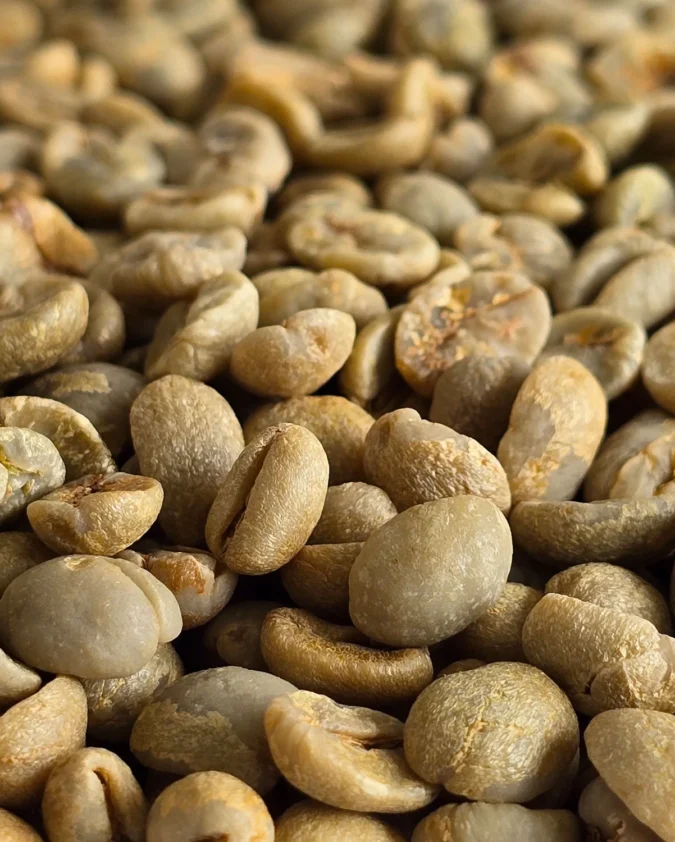
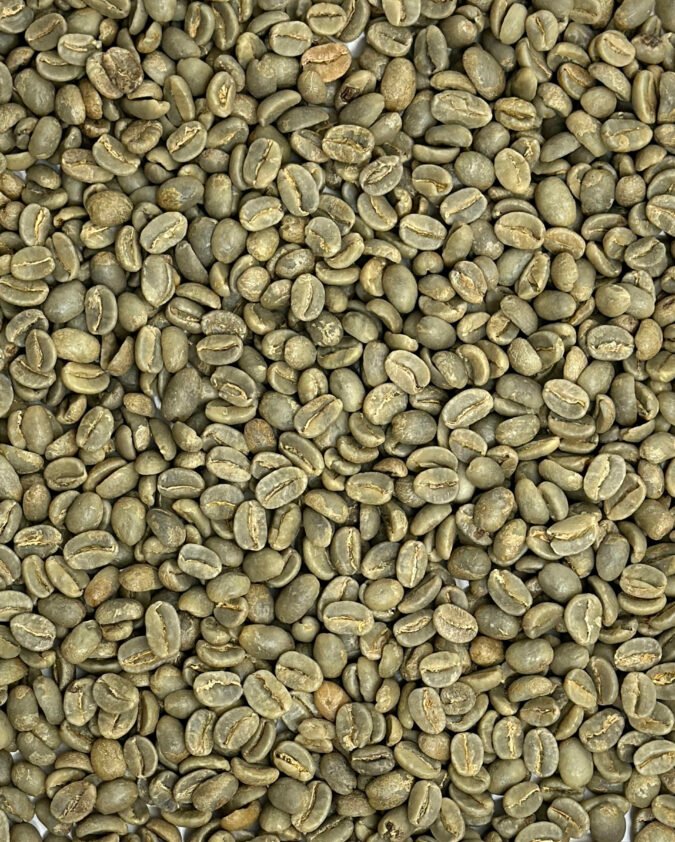
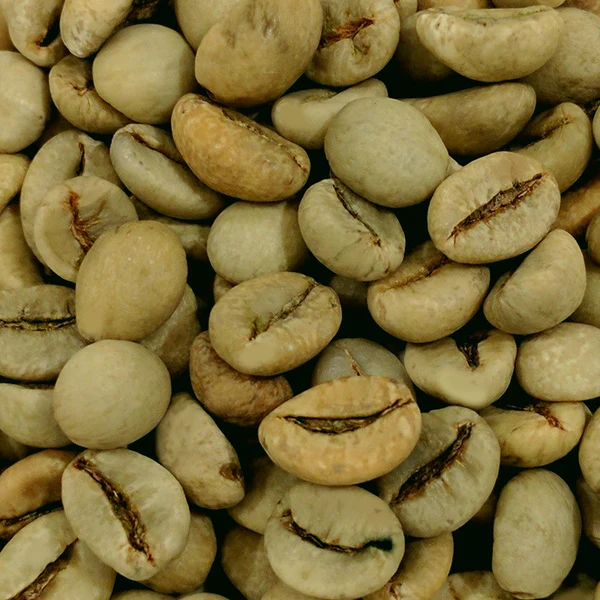
We sell Ugandan Robusta coffee beans in bulk to roasters, blenders, importers and coffee traders all over the world. The beans are green, sorted by screen size and packed for export, so you can roast them the way you want.
Uganda takes Robusta seriously. The plant grows wild in the country’s forests, and coffee is one of its most important exports. Uganda is among Africa’s biggest coffee exporters, and most of what it ships is Robusta. If you want to dig into the background, there is a good overview of coffee production in Uganda. For buyers, what counts is that the supply is large and the quality is well known in the trade.

Why Ugandan Robusta coffee beans stand out
Altitude. Most Robusta grows low, but a lot of Ugandan coffee grows between about 900 and 1,500 metres, on fertile soils around Lake Victoria and in the west of the country. The cooler, higher farms give a cleaner and sweeter cup than you get from many lowland Robustas. Some roasters even sell top lots as fine Robusta in their own right instead of hiding them in a blend.
In the cup, Ugandan Robusta coffee beans are full-bodied and earthy, with dark chocolate, cocoa, a little spice and sometimes a faint fruity note. Acidity is low and the finish is long.
Ugandan Robusta coffee beans specifications
- Species: Coffea canephora (Robusta)
- Origin: Uganda (central, western and south-western regions)
- Altitude: about 900 to 1,500 m above sea level
- Processing: natural (dry), washed lots on request
- Screen size: 15 to 18 (Screen 18 is the top grade)
- Defects: under 5% on premium grades
- Moisture: 11% to 12%
- Caffeine: 2.2% to 2.7% by weight
- Cup notes: dark chocolate, cocoa, earthy, mild spice
- Acidity: low
- Body: full
- Form: green (unroasted) beans
- Packing: 60 kg jute bags as standard, other packing on request
Choosing a grade
Ugandan Robusta coffee beans are sold by screen size. Screen 18 means the beans are big and even, and it is the grade most roasters pick for espresso. Screen 15 is a little smaller and costs less, and it works fine for instant coffee or a strong house blend. Bigger, more even beans roast more evenly, so if you sell whole beans to customers who look at them, Screen 18 is worth the extra.
Tell us how you will use the coffee and we will tell you honestly which grade makes sense.
What it is good for
Espresso blends. Ugandan Robusta coffee beans give a thick crema and a heavy body, and their clean taste lets you use more of it than you might with other Robustas.
Instant coffee. High soluble yield and a solid coffee flavour.
Strong filter or traditional brews. If your market likes a bold, dark cup, it works well on its own.
A lot of our buyers blend it with our African Arabica coffee beans for a sweet, chocolatey espresso. You could also compare it with our wider African Robusta selection.
Roasting tips
Medium to dark works best. A medium roast keeps more of the cocoa and spice. A dark roast gives you more body and that classic espresso bitterness. Ugandan beans are dense, so give them good heat early in the roast and don’t rush the end.
Quality checks
We check every lot of Ugandan Robusta coffee beans for moisture, screen size, defects and foreign matter before it goes in the bag. Samples are cupped so we know the lot tastes right. You are welcome to ask for a sample before you place a full order.
How to order Ugandan Robusta coffee beans
We sell Ugandan Robusta coffee beans by the ton and deliver worldwide, usually by sea to your chosen port. Prices follow the green coffee market, so each order gets its own quote. Send the grade, the quantity and your port through our contact page and we will get back to you with a price and shipping options.
Want to see other origins? Our Robusta range also has Brazilian, Indian, Indonesian and Vietnamese coffee. You can also see all our products on one page.
Where in Uganda it grows
Most Robusta in Uganda grows in the central region around Lake Victoria, in districts such as Masaka, Mukono, Luwero and Mubende. A good share also comes from the west and south-west, around Bushenyi and Ibanda. Rain falls in two seasons, so many areas get two harvests a year. That spreads fresh coffee across more of the calendar, which helps if you buy regularly.
The farms are mostly small. Families grow coffee next to bananas and other crops, pick by hand and dry the cherries at home before selling to local processors. The processors then hull, grade and sort the Ugandan Robusta coffee beans for export.
Robusta and Arabica compared
If you are newer to green coffee, this is how Ugandan Robusta coffee beans compare with Arabica.
| Robusta | Arabica | |
|---|---|---|
| Plant | Coffea canephora | Coffea arabica |
| Altitude | sea level to about 1,500 m | usually above 1,000 m |
| Caffeine | 2.2% to 2.7% | 1.2% to 1.5% |
| Taste | strong, earthy, low acidity | sweet, fruity, bright |
| Crema | thick and lasting | lighter |
| Price | lower | higher |

Natural or washed?
Most Ugandan Robusta coffee beans are natural. The farmer dries the whole cherry in the sun, and locals call the dried cherry kiboko. It is then hulled at a factory to get the green bean out. Naturals have a heavier body and a slightly fruity, earthy taste, and they make up the bulk of what Uganda exports.
Washed Ugandan Robusta is less common. The fruit is pulped off and the beans are fermented and washed before drying. The result is a cleaner, sweeter cup with less earthiness, and it is popular with roasters who want a premium Robusta for espresso. Supply is smaller and it costs more.
If you are unsure, start with a natural Screen 18. It suits most espresso and instant uses, and you can always try a washed lot later to compare.
Blending ideas
- Chocolatey espresso: 70% Arabica and 30% Ugandan Robusta coffee beans, medium-dark.
- Strong Italian style: 60/40 Arabica to Robusta, roasted dark.
- Robusta-led blend: up to 60% Ugandan Robusta with a sweet Brazilian or African Arabica.
Because the taste is fairly clean, you can often use more of it than you would with a lowland Robusta. Start with small batches and adjust by taste.
Storing your coffee
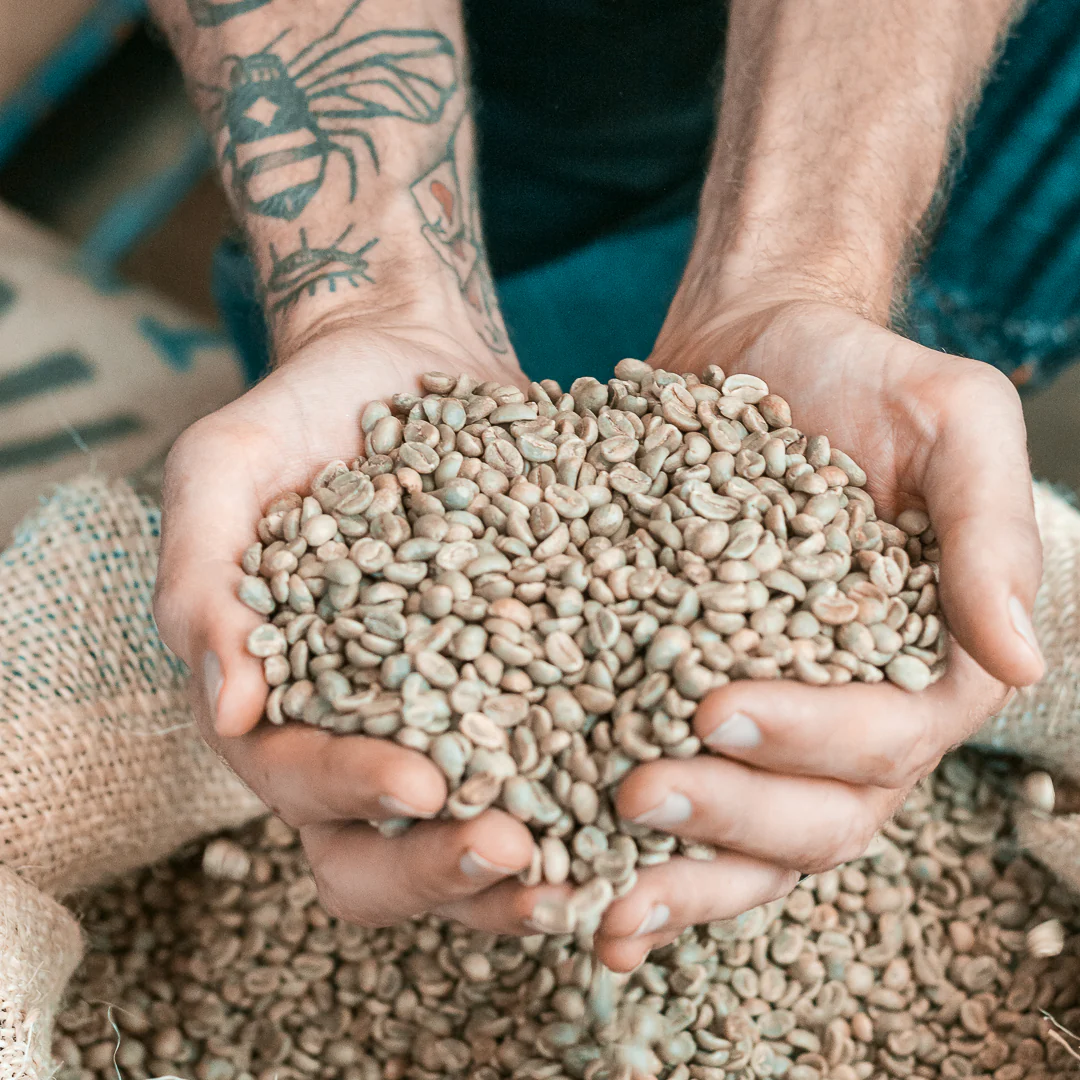
Keep the bags cool and dry, raised off the floor on pallets and away from walls and sunlight. Coffee picks up smells easily, so store it away from spices, chemicals and fuel. Humidity of about 60% is fine. Kept like that, green Ugandan Robusta coffee beans stay in good shape for up to a year.
Shipping and documents
Uganda has no coastline, so its coffee travels by road or rail to Mombasa in Kenya or Dar es Salaam in Tanzania before it is loaded onto ships. From there we ship worldwide by sea container. Each shipment comes with the usual export papers: commercial invoice, packing list, bill of lading, certificate of origin and phytosanitary certificate. If your country needs anything extra, tell us when you order. You can follow your coffee on our order tracking page once it is on its way.
What moves the price
Robusta prices follow the London futures market, which changes daily with harvest news, weather and demand. On top of that come the origin premium, the grade, quantity and freight. Screen 18 costs more than Screen 15, and washed lots cost more than naturals. So we quote Ugandan Robusta coffee beans order by order. Give us your budget and use, and we will point you to the grade that gives you the best value.
Who buys it
Espresso roasters who want body and crema without a harsh finish. Instant coffee makers who need volume and a steady flavour. Importers and distributors who resell green coffee to smaller roasters. If you are one of them, send us your monthly volume and delivery port, and we will put together a quote and send a sample for you to roast.
New to roasting? Our step-by-step guide to roasting green coffee beans covers equipment, roast levels and profiles for every origin we sell.
Want to understand washed, natural and honey coffee? Read our guide to coffee processing methods.
Before ordering in bulk, cup a sample. Our guide to coffee cupping shows you how.
Wondering when the next fresh crop arrives? Our guide to the coffee harvest season has the timing for each origin.
Using Ugandan Robusta coffee beans in espresso? Our guide to coffee beans for espresso has blend ratios and roasting tips.
Wondering what Ugandan Robusta coffee beans cost right now? Our guide to green coffee prices explains current market levels and how we quote.
Our Ugandan Robusta coffee beans can be sold as a single origin. Our guide to single origin coffee beans explains how to present and sell them.
Comparing suppliers for Ugandan Robusta coffee beans? Our guide to choosing a green coffee supplier explains what to check before you buy.
Blending Ugandan Robusta coffee beans with Arabica? Our buyer’s guide to Arabica coffee beans explains origins, grades and prices.
We ship Ugandan Robusta coffee beans green, ready for you to roast. Our guide to unroasted coffee beans explains how to store, roast and buy them.
Common questions
Are Ugandan Robusta coffee beans better than other Robusta?
Many roasters think so, mainly because of the higher altitude and cleaner taste. It really depends on your blend, so a sample is the best test.
Do you sell roasted coffee?
No. We supply green beans only.
What does Screen 18 mean?
The beans don’t fall through a screen with holes 18/64 of an inch wide, so they are large and even in size.
How long do green Ugandan Robusta coffee beans keep?
Up to about a year in cool, dry storage away from strong smells.
Does Uganda have more than one harvest?
Yes. Most growing areas have a main crop and a second, smaller crop each year, thanks to two rainy seasons.
Can I visit or see photos of the lot before buying?
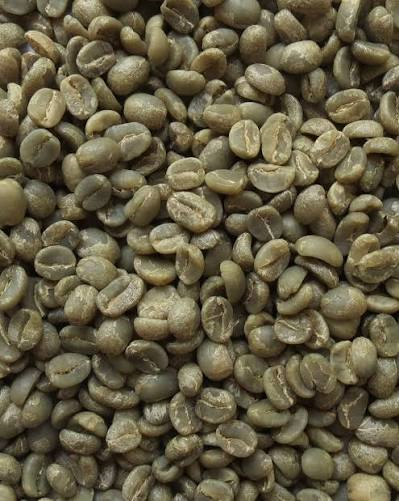
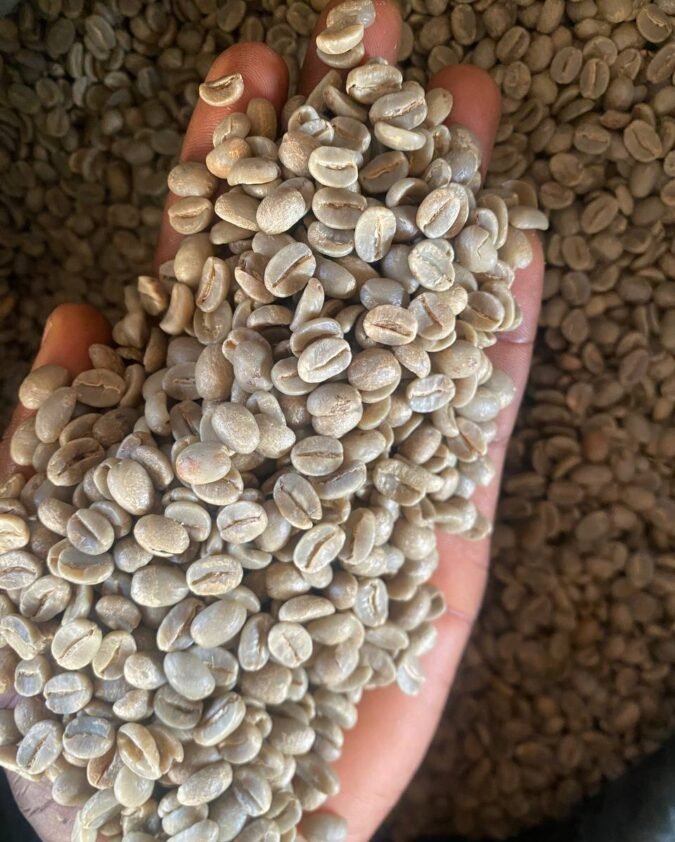
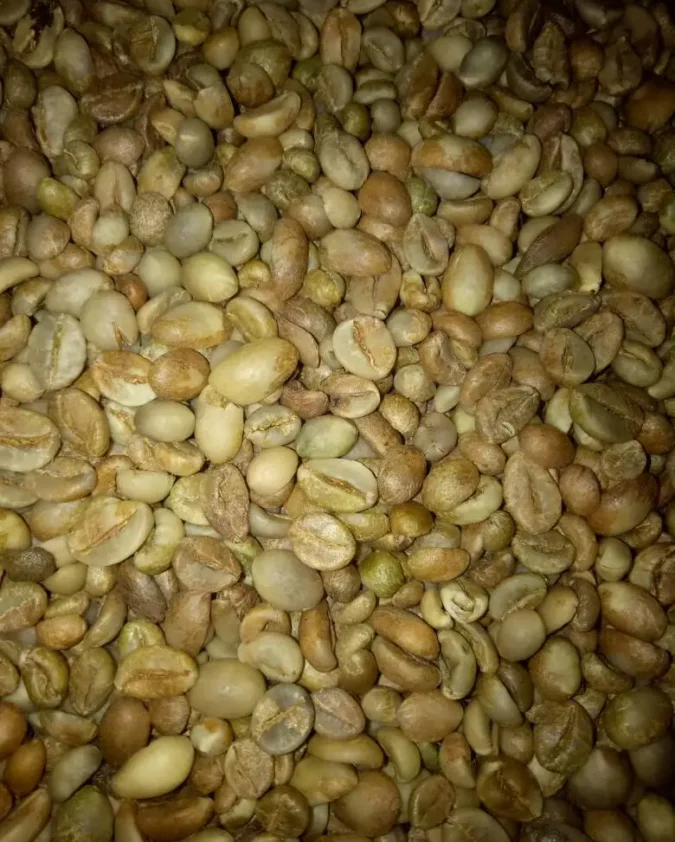
We can send photos of the green beans and a sample from the actual lot we would ship, so what you test is what you get. Just ask when you request a quote.



There are no reviews yet.