Description
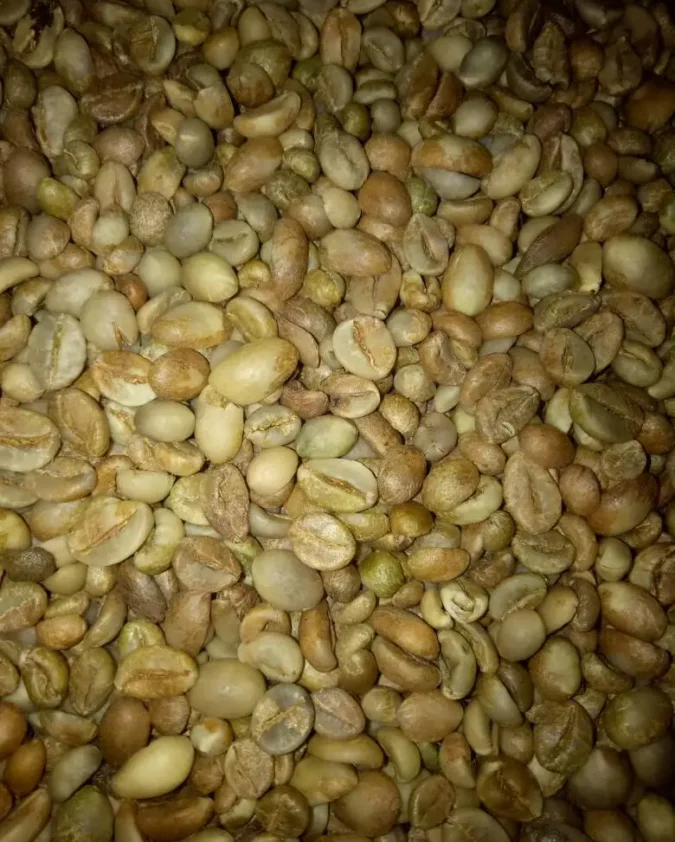
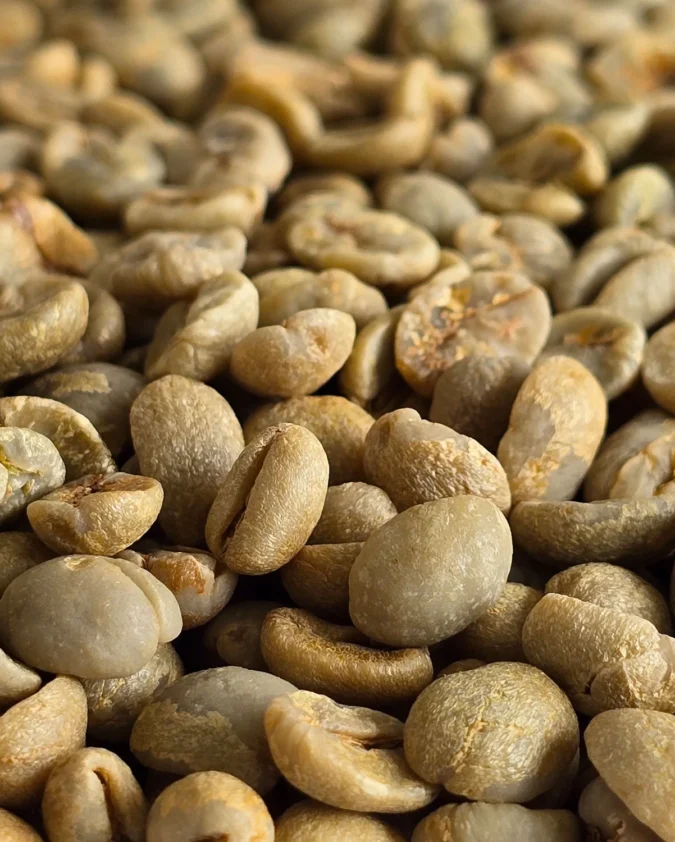
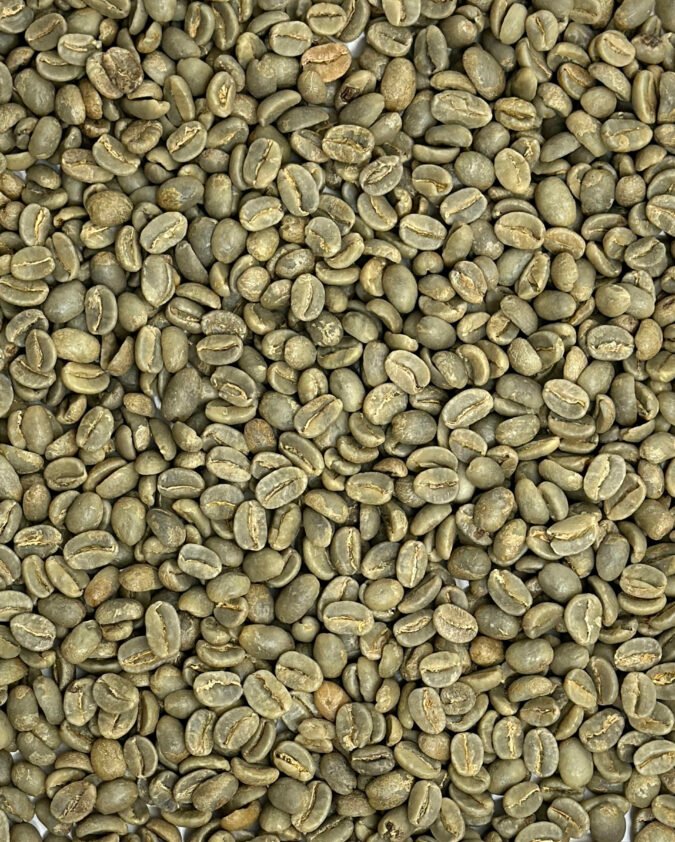
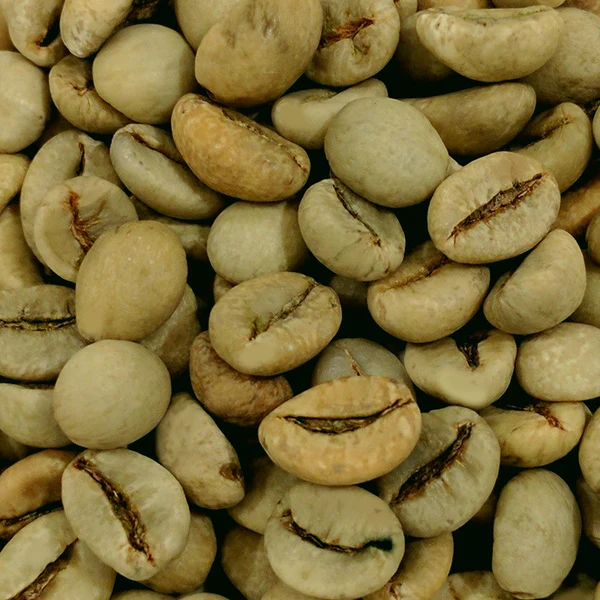
We sell Brazilian Robusta coffee beans in bulk, green and export-ready, to roasters, blenders, instant coffee producers and importers worldwide. If you want a smooth, low-acid Robusta that behaves well in espresso blends, this is the one most of our customers start with.
In Brazil, Robusta is usually called Conilon. It is the same species, Coffea canephora, grown on lowland farms where it is too warm for Arabica to do well. Brazil is the biggest coffee producer on the planet and one of the largest Robusta growers too. You can read more about the size of coffee production in Brazil if you are curious, but the short version is simple: supply is large and steady, which matters a lot when you buy by the ton.

What Brazilian Robusta coffee beans taste like
Softer than most people expect from Robusta. You still get the heavy body and the extra caffeine, but the harsh, rubbery edge some Robustas have is mostly missing. Expect dark chocolate, roasted nuts, a little wood and tobacco, and very low acidity. That clean, rounded taste is why blenders like Brazilian Robusta coffee beans so much. They add strength without taking over the cup.
Where it is grown
Most Conilon comes from Espírito Santo, with more from Rondônia in the north and from Bahia. The farms are mostly low, usually under about 500 metres, and many are mechanised, which keeps quality and volume consistent from year to year. Most lots are dry processed (natural), and some washed lots are available too.
Brazilian Robusta coffee beans specifications
- Species: Coffea canephora (Conilon / Robusta)
- Origin: Brazil (Espírito Santo, Rondônia, Bahia)
- Altitude: mostly below 500 m
- Processing: natural (dry), washed on request
- Screen size: 16/18 or 18/20
- Defects: under 5% on premium grades
- Moisture: 10% to 12%
- Caffeine: 2.2% to 2.7% by weight
- Cup notes: dark chocolate, nuts, light wood, tobacco
- Acidity: low
- Body: full and smooth
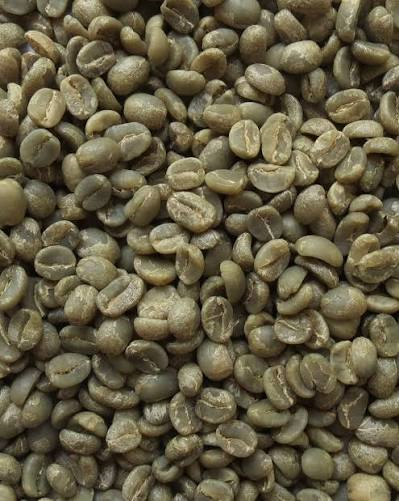
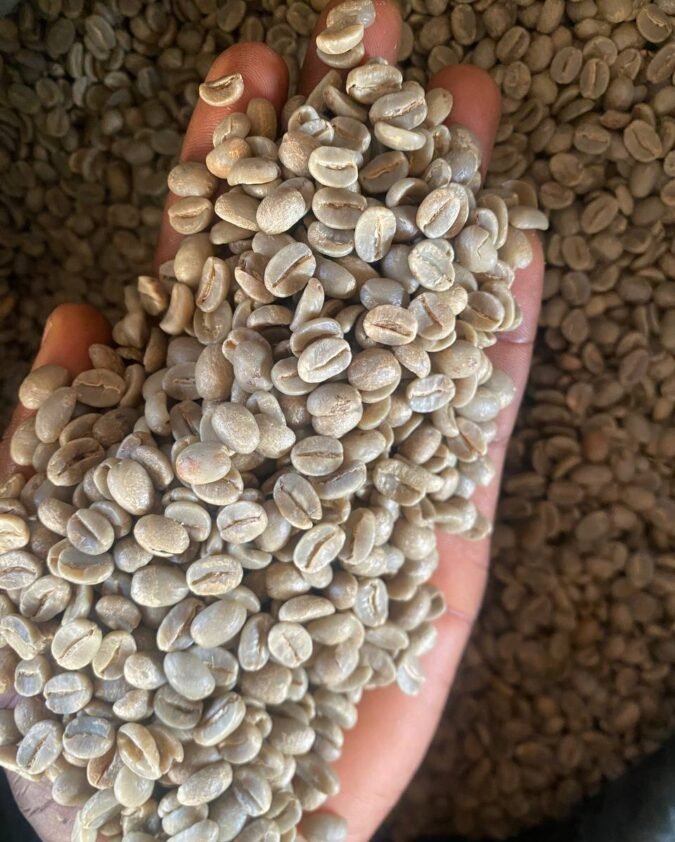
- Form: green (unroasted) beans
- Packing: 60 kg jute bags as standard, other packing on request
How buyers use it
Espresso. Add 15% to 40% of Brazilian Robusta coffee beans to an Arabica base and you get thicker crema, more body and a shot that cuts through milk. Because the flavour is fairly clean, you can push the percentage higher than you could with a rougher Robusta.
Instant coffee. Conilon gives good extraction yields and a solid coffee taste, so soluble coffee plants use a lot of it.
Value blends. If you sell a supermarket or food-service blend, it helps you keep the price sensible while the coffee still tastes like coffee.
For something brighter, mix it with our African Arabica. For a stronger, earthier blend, try it next to our African Robusta.
Roasting Brazilian Robusta coffee beans
A medium to medium-dark roast suits these beans best. Go too dark and you lose the chocolate and end up with plain bitterness. The beans are dense and fairly even in size, so they roast evenly, which makes life easier on a big drum roaster. Run a test batch first and cup it next to your current Robusta. Most roasters can tell the difference straight away.
Quality and shipping
We grade every lot of Brazilian Robusta coffee beans for moisture, screen size and defects, and we cup samples before shipping. Moisture stays at 12% or less so the coffee travels well. We ship worldwide, mostly by sea container to your nearest port, and you can follow your shipment on our order tracking page.
Get a price
Prices for Brazilian Robusta coffee beans change with the market, so we quote each order fresh. Send the quantity, the grade and your delivery port using our quote request form, and ask for a sample if you want to roast it first.
Still comparing? Browse our full Robusta coffee beans range, including Vietnam Robusta, Indonesia Robusta and Ugandan Robusta, or see all our products.
Conilon and Robusta Amazônico
Brazil grows two main kinds of Robusta. Conilon comes mostly from Espírito Santo and makes up the bulk of the crop. Robusta Amazônico grows in Rondônia, in the Amazon region, and some growers there now produce very clean, carefully processed lots that do well on the cupping table. Both are sold as Brazilian Robusta coffee beans, and we will always tell you which one a lot is.
Conilon is the safe, steady choice for blends and instant coffee. The better Amazônico lots are worth a look if you want a Robusta that can hold its own in a single-origin espresso.
Robusta and Arabica compared
If you are new to green coffee, here is how Brazilian Robusta coffee beans compare with Arabica.
| Robusta | Arabica | |
|---|---|---|
| Plant | Coffea canephora | Coffea arabica |
| Altitude | sea level to about 1,500 m | usually above 1,000 m |
| Caffeine | 2.2% to 2.7% | 1.2% to 1.5% |
| Taste | strong, earthy, low acidity | sweet, fruity, bright |
| Crema | thick and lasting | lighter |
| Price | lower | higher |

Blending ideas
- Smooth espresso: 80% Arabica and 20% Brazilian Robusta coffee beans, medium-dark.
- Classic Italian: 70/30 Arabica to Robusta, roasted dark.
- Strong value blend: 50/50, medium-dark, good for food service.
- Instant coffee: up to 100% Conilon.
For the Arabica side, our African Arabica gives a fruity lift, while a Brazilian Arabica keeps things nutty and mellow. Roast small batches first and taste before you scale up.
Why roasters pick Brazilian Robusta coffee beans
Consistency. Big, organised farms and a lot of mechanical harvesting mean one shipment tastes much like the next. If you run a blend all year, that matters more than anything.
Supply. Brazil grows so much coffee that it is rare to run short. Even in a tight year, there is usually something available.
Clean taste. Brazilian Robusta coffee beans are among the mildest Robustas you can buy, so you can use more of them before the cup turns harsh.
Harvest and processing
The Conilon harvest normally runs from around April to July. Cherries are picked, dried in the sun on patios or in mechanical dryers, then hulled, sorted by size and density and checked for defects before bagging. Some farms also pulp the cherries and dry them as semi-washed coffee, which gives a slightly cleaner cup.
Who buys it from us
Most of our Brazilian Robusta goes to three kinds of buyer. The first is the espresso roaster who needs a Robusta that adds body without making the blend taste cheap. The second is the instant and soluble coffee maker who buys by the container and cares about yield and a steady price. The third is the importer or distributor who resells green coffee to smaller roasters in their own country and needs a product that sells easily.
If you fit one of those, or something in between, we can help. Tell us what you make, how much you roast each month and where the coffee needs to go. We will suggest the right lot of Brazilian Robusta coffee beans and send a sample so you can check it on your own equipment before you commit.
Storing green coffee
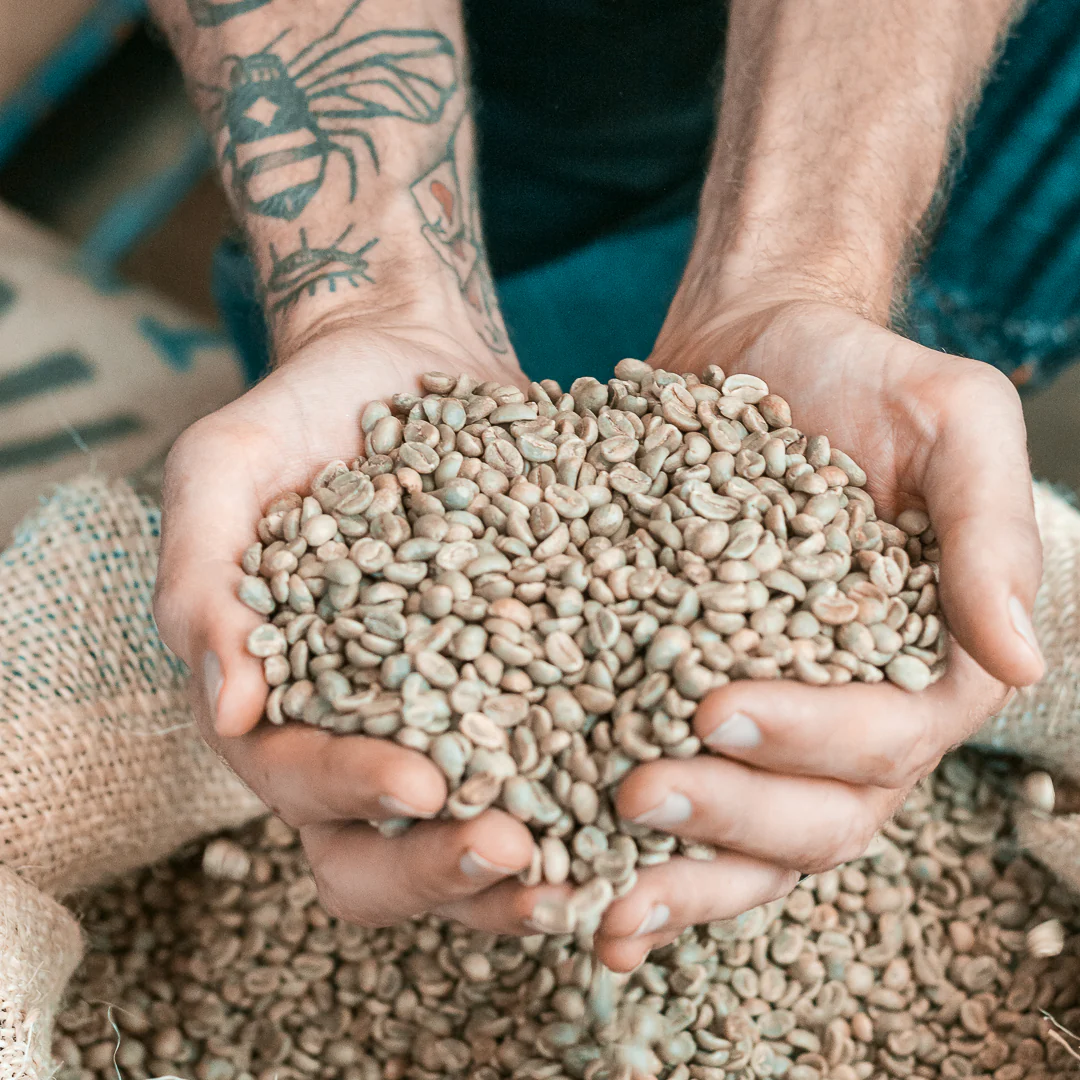
Keep the bags in a cool, dry place, off the floor on pallets and away from walls and sunlight. Coffee picks up smells, so keep it apart from spices, fuel and cleaning products. Humidity of about 60% works well. Stored like this, green Brazilian Robusta coffee beans keep in good condition for up to a year.
Shipping and documents
We ship by sea container to ports worldwide. Each shipment comes with the normal export papers: commercial invoice, packing list, bill of lading, certificate of origin and phytosanitary certificate. If your country needs anything more, let us know when you order and we will have it ready.
What moves the price
Robusta prices follow the London futures market, which moves every day with weather, harvest news and demand. Brazil’s crop size has a big effect on that market, so a good harvest there can bring prices down for everyone. Grade, processing, quantity and freight are added on top. That is why we quote Brazilian Robusta coffee beans order by order. Tell us your budget and we will suggest the grade that fits it.
New to roasting? Our step-by-step guide to roasting green coffee beans covers equipment, roast levels and profiles for every origin we sell.
Want to understand washed, natural and honey coffee? Read our guide to coffee processing methods.
Before ordering in bulk, cup a sample. Our guide to coffee cupping shows you how.
Wondering when the next fresh crop arrives? Our guide to the coffee harvest season has the timing for each origin.
Using Brazilian Robusta coffee beans in espresso? Our guide to coffee beans for espresso has blend ratios and roasting tips.
Wondering what Brazilian Robusta coffee beans cost right now? Our guide to green coffee prices explains current market levels and how we quote.
Our Brazilian Robusta coffee beans can be sold as a single origin. Our guide to single origin coffee beans explains how to present and sell them.
Comparing suppliers for Brazilian Robusta coffee beans? Our guide to choosing a green coffee supplier explains what to check before you buy.
Blending Brazilian Robusta coffee beans with Arabica? Our buyer’s guide to Arabica coffee beans explains origins, grades and prices.
Common questions
Is Conilon the same as Brazilian Robusta coffee beans?
Yes. Conilon is simply the name Brazilian farmers use for their Robusta.
Do you sell them roasted?
No, we supply green beans only.
Can you ship to my country?
Most likely. We deliver worldwide, so tell us your port and we will quote the freight.
How long do green Brazilian Robusta coffee beans keep?
Up to about a year in cool, dry storage away from strong smells.
What is the difference between Conilon and Robusta Amazônico?
Both are Robusta. Conilon is the main crop from Espírito Santo. Amazônico comes from Rondônia and includes some very clean, high-scoring lots.
Can I mix it with other Robustas?
Yes. Some roasters combine Brazilian Conilon with an Indian or Ugandan Robusta to get a smoother cup with a bit more spice and depth. Roast them separately first so you learn how each one behaves, then blend.



There are no reviews yet.