

Description
Specifications for Brazilian Robusta Coffee Beans
1. Origin: Brazil
Region: Mainly grown in Brazil’s north and center, especially in Bahia, Espírito Santo, and portions of Minas Gerais. The climates in these regions are ideal for growing Robusta.
Elevation: 500–1,000 meters above sea level is the range at which it is grown.
2. Type of Bean: Robusta (Coffea canephora) Variety
Processing Method: Wet Processed (Washed): This technique produces a milder, cleaner flavor profile by removing the cherry layer before the beans are dried.
Natural Dry Processing: When beans are dried with the cherry still on them, their flavor profile may become more nuanced.
Defects: Less than 5% of premium Brazilian Robusta beans usually have flaws.
3. Bean Size: Medium to large-sized beans are represented by the screen sizes of 16/18 or 18/20.
Shape: Typically round and dense, the beans are marginally smaller than Arabica beans.
4. Profile of Flavor:
Taste: The robust, full-bodied flavor of Brazilian Robusta beans is bold and slightly bitter. They are frequently characterized as earthy with woody and spice undertones.
Notes: There may be faint notes of chocolate, tobacco, and nutty undertones in the flavor profile. As is common with Robusta beans, they typically have a low to medium acidity.
Acidity: Usually not as acidic as Arabica beans.
5. Caffeine Content: The caffeine content of Brazilian Robusta beans is roughly twice that of Arabica beans, ranging from 2.2% to 2.7% by weight. As a result, the coffee’s flavor and kick are enhanced.
6. Look:
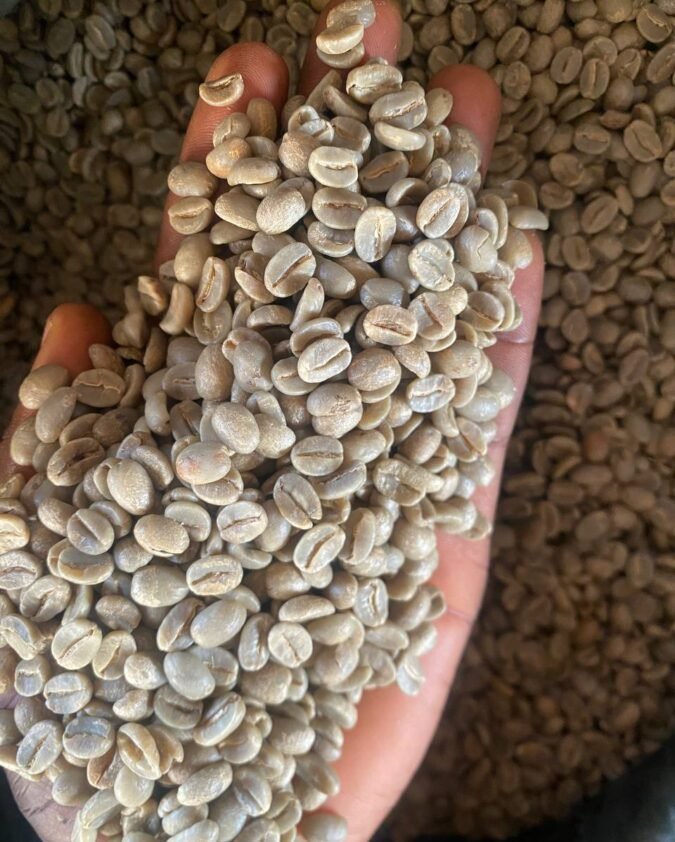
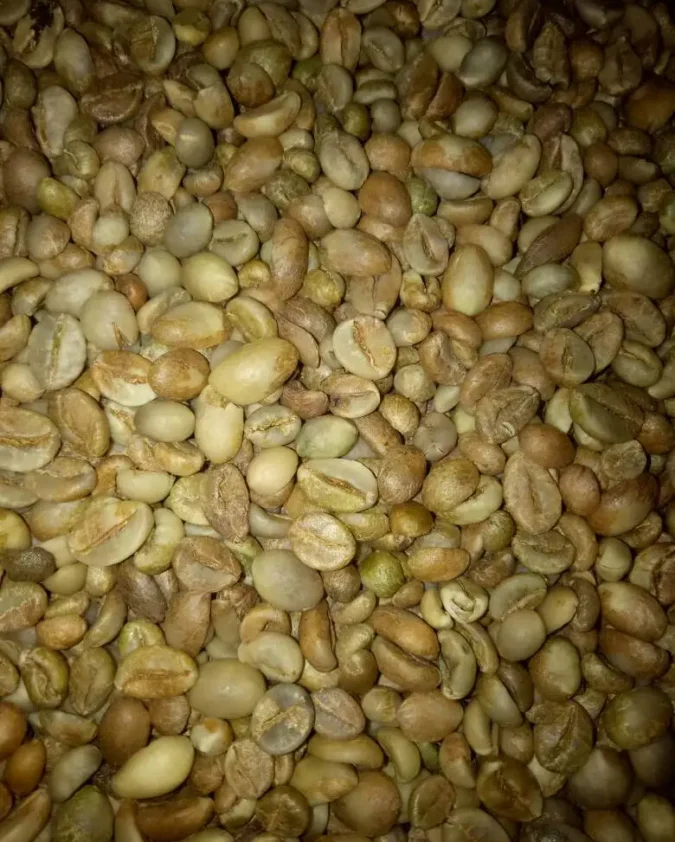
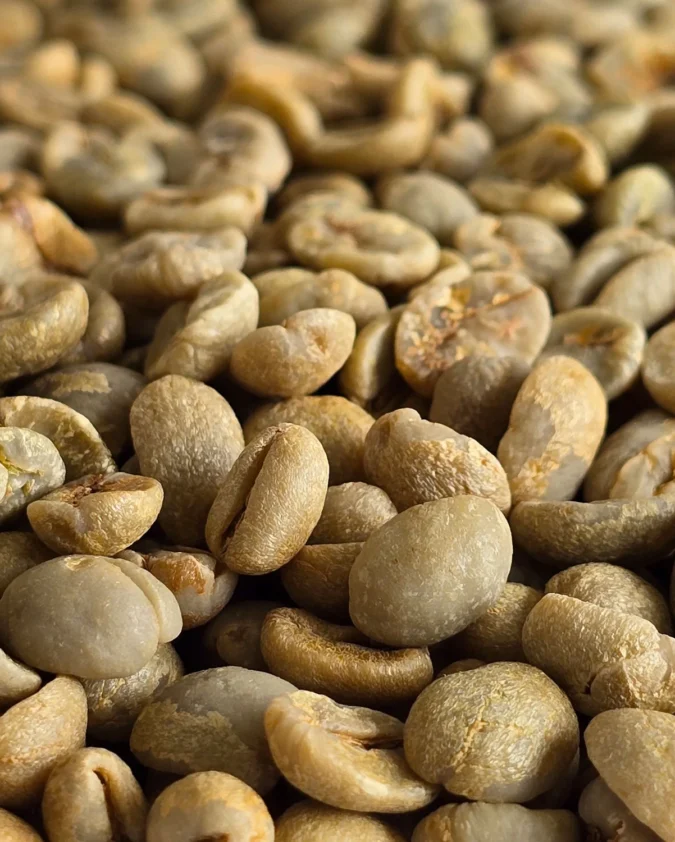
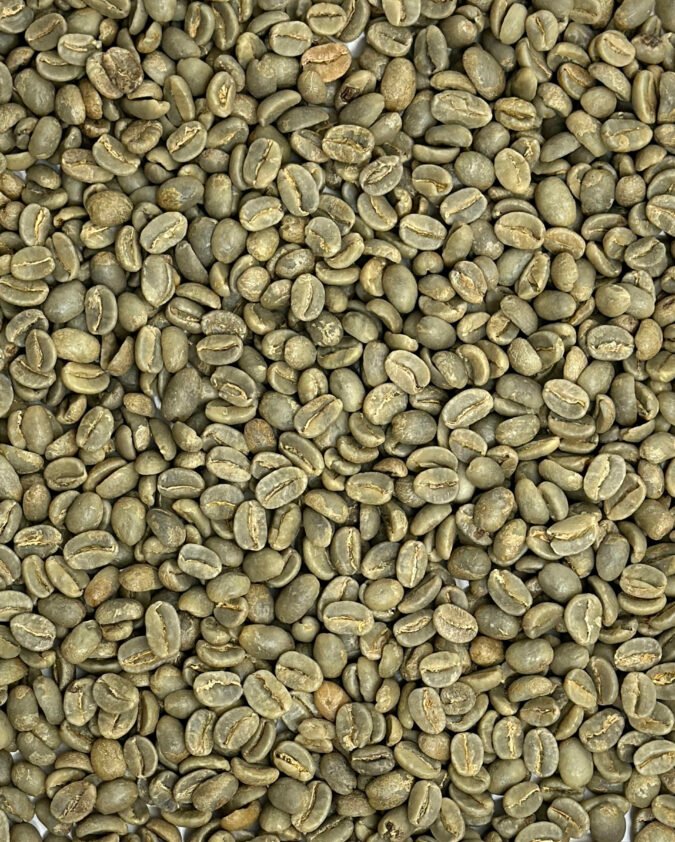
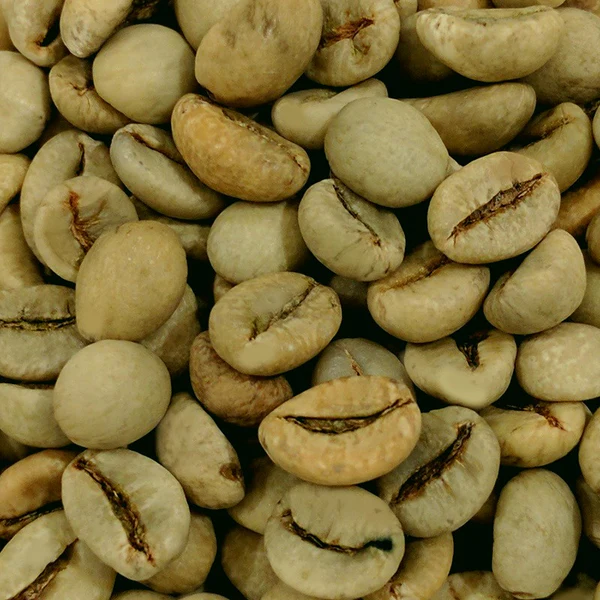
Before roasting, the beans are typically dark brown to dark greenish-brown in color.
Shape: Brazilian robusta beans are denser, rounder, and smaller than Arabica beans.
Surface: Because Robusta beans have less oil than Arabica beans, their surfaces are usually matte and dull.
7. Moisture Content: Usually between 10% and 12%, this range is thought to be ideal for quality and long-term storage.
8. Sustainability Certifications (Optional): Fair Trade Rainforest Alliance Organic (if applicable, based on the farm practices)
9. Roast Profile: To enhance their robust, earthy flavors and lessen any harsh bitterness, Brazilian Robusta beans are usually roasted medium to dark.
A darker roast is frequently chosen when blending for espresso in order to improve the crema and intensify the flavor.
10. Packaging: To maintain freshness, products are usually packaged in foil or vacuum-sealed bags.
Sizes ranging from 250g to 1kg or more are available.
11. Shelf Life: If properly stored in a cool, dry location away from moisture and sunlight, freshly roasted beans should be eaten within six months to a year.
12. Use: Blends for Espresso: Brazilian Robusta beans are frequently used in espresso blends because of their potent flavor, robust body, and capacity to yield high-quality crema.
Production of Instant Coffee: Brazilian Robusta beans are commonly used to make instant coffee because of their potent flavor and higher caffeine content.
Coffee Blends: Frequently used to give coffee blends that need a more robust, full-bodied profile more flavor, body, and strength.

There are no reviews yet.